- Sacred Monuments
- Cemeteries
cementerio Municipal de San Roque de Alcalá de Henares
About this place
Cementerio Municipal de San Roque is the oldest active cemetery in Alcalá de Henares, established in 1834. Its creation was tied directly to the public health regulations of the period, which required burials to be moved outside city walls and away from churches — the older custom of interring the dead within or beside church grounds had come to be seen as a sanitary risk. Authorities chose a plot next to the road leading to Ajalvir, close to the small Camarmilla stream, on land where an old hermitage dedicated to Saint Roch (San Roque) had long stood. The cemetery took its name from that hermitage.
How was the original layout designed?
The early nineteenth-century plan followed the rational, orderly approach to cemetery design that had begun spreading through Spain in the late eighteenth century, influenced by Enlightenment ideas about public health and urban order. The grounds were divided into four rectangular sections, laid out along two perpendicular paths crossing at the center of the site. The cemetery chapel was placed at the rear, aligned with the main entrance axis — a layout intended to bring clarity and structure to burial grounds, in contrast to the disorganized churchyard cemeteries of earlier centuries.
Why has the cemetery's name changed over time?
As the city grew and available space ran out, Alcalá de Henares opened a second municipal cemetery in 1992, known as the Cementerio Jardín, or "new" cemetery. This shift led locals to start referring to the older site simply as "el viejo" (the old one), and the name San Roque gradually faded from everyday use. In 2006, then-mayor Arsenio Lope Huerta proposed reviving the historic name tied to the nearby hermitage, though the cemetery did not formally regain the official designation "Cementerio de San Roque" until 2022.
What makes this site historically significant?
Today the cemetery is recognized as part of the historical and cultural heritage of Alcalá de Henares — the Complutense city, a name recalling its Roman origins as Complutum. In 2021 it was added to the Community of Madrid's list of singular cemeteries, a distinction reserved for burial grounds of exceptional architectural, historical, or artistic value. The grounds preserve a substantial collection of funerary art and architecture, including family pantheons, tomb monuments, and sculptures created mostly between the late nineteenth and early twentieth centuries. These works reflect the social, economic, and cultural development of Alcalá de Henares during that period, with many pieces commissioned by prominent local families whose wealth and artistic taste shaped the appearance of their family tombs.
Frequently asked questions
Is the San Roque cemetery still in use? Yes, it remains an active municipal cemetery, although since 1992 most new burials have been directed to the second site, the Cementerio Jardín.
Where does the name San Roque come from? It comes from an old hermitage dedicated to Saint Roch that once stood near the site chosen for the cemetery, next to the road to Ajalvir.
What is worth seeing at the site? The main attraction is the collection of family pantheons and tomb monuments from the late nineteenth and early twentieth centuries, which reflect the wealth and artistic tastes of the city's residents at the time.
Is the cemetery officially protected as heritage? It has been included in the Community of Madrid's list of singular cemeteries since 2021, confirming its recognized cultural heritage value.
Nearby places
-

Convento de las Bernardas
Alcalá de Henares
-
Convento de la Imagen (Alcalá de Henares)
-
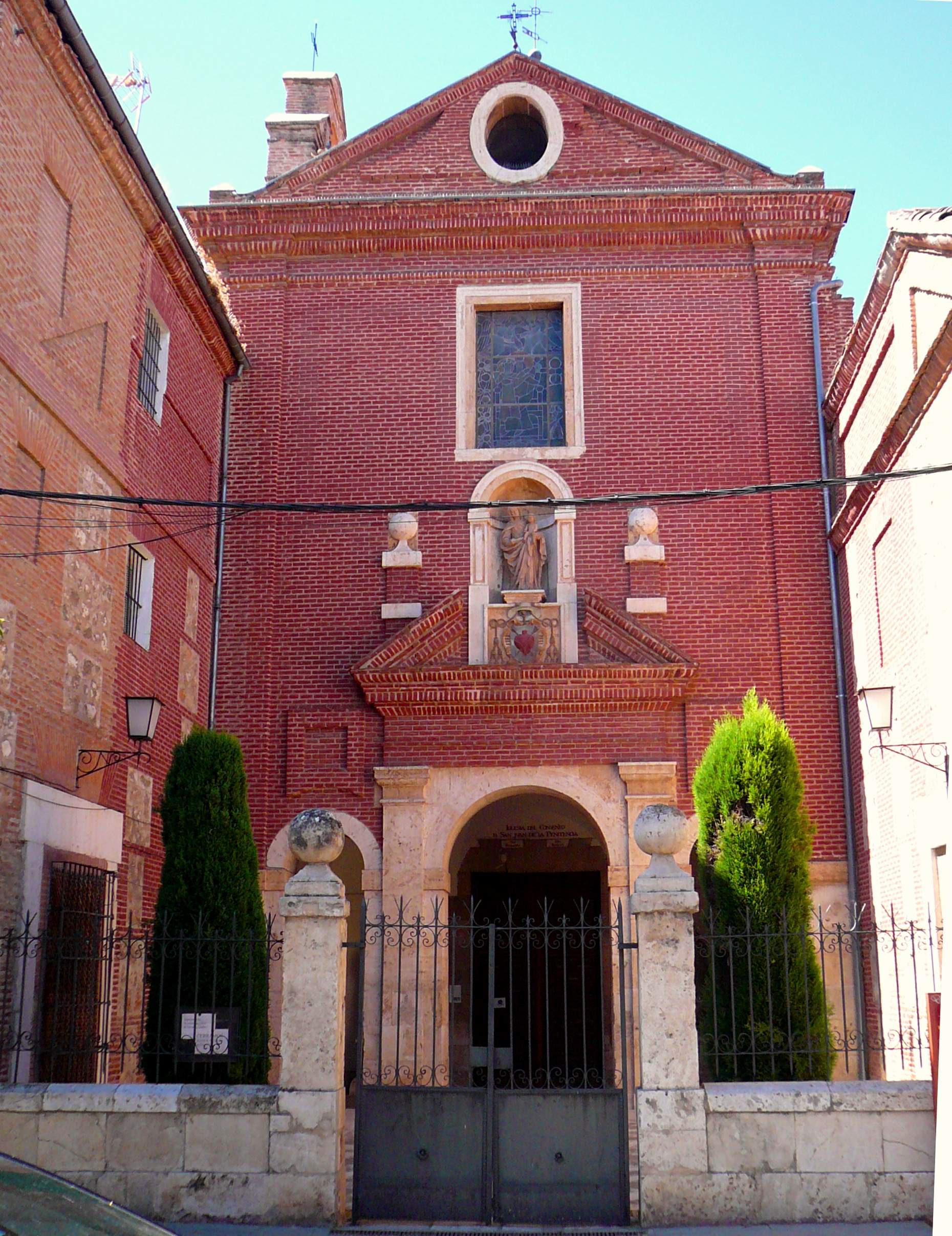
Convento de San Juan de la Penitencia
-
Discalced Carmelite College of St. Cyril
Alcalá de Henares
-
Cementerio Jardín de Alcalá de Henares
Alcalá de Henares
-
Iglesia parroquial de San Vicente Mártir, Paracuellos del Jarama
Paracuellos de Jarama
Earn badges for the places you visit
Download NextOnTrip, discover new places and check off your trails.