About this place
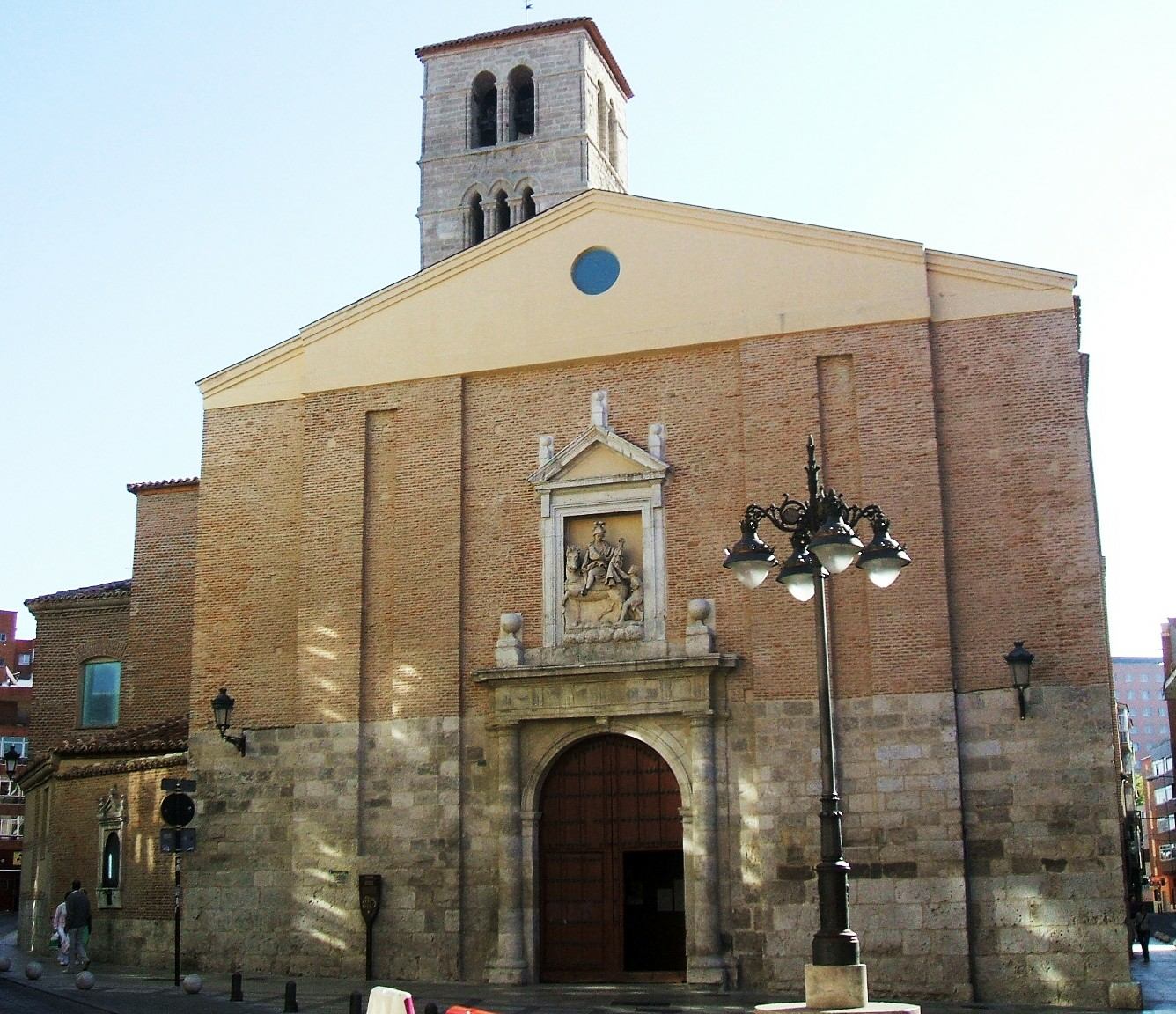
The Collegiate Church of Santa Maria (Catalan: Col·legiata de Santa Maria de Cervera) crowns the hilltop old town of Cervera, a historic town in the Segarra district of Lleida province, Catalonia. Standing beside the former town hall, the Paeria, this Gothic church has served for centuries as the religious and visual heart of the town — despite occasionally being confused in databases with a different location near Valladolid.
How to get there?
Cervera sits roughly 55 kilometers from the city of Lleida, along the route toward Barcelona. The easiest way to arrive is by regional Renfe train: the Lleida–Cervera line takes about 51 minutes, with around a dozen direct departures spread across the day, from early morning to late evening. The station sits on Avenida de los Deportes, a 10–15 minute uphill walk from the historic center and the church itself. Drivers can reach Cervera via the AP-2 motorway, which links Lleida and Barcelona and passes directly by the town — Cervera is a well-known stop along that route. Whichever way you arrive, the final approach to the collegiate church is on foot, climbing through the narrow streets of the old town toward its highest point.
What will you see?
Built during the 14th and 15th centuries, the church follows a basilical plan with three naves and chapels set between the buttresses — a design considered one of the finest, most representative examples of Catalan Gothic architecture. The central nave rises noticeably wider and taller than the side aisles, and pointed arches run throughout the structure. Internally the building measures around 50 meters in length, 22.5 meters in width excluding the side chapels, and 22 meters in height — dimensions that give the interior real presence.
Rising above the church and the neighboring Paeria is a sturdy bell tower some 50 meters tall, built in the same Gothic period and echoing the style of the bell tower of the old Lleida cathedral, La Seu Vella. Six bells still hang inside, and on special occasions local bell-ringers continue to sound them by hand, following a tradition kept alive in few other Catalan towns.
Inside, the church houses a venerated image known as the Mare de Déu del Coll de les Savines, held in particular devotion by residents of the region. The tombs in the presbytery and chapels are also worth a close look: part of their sculptural decoration is attributed to Jordi de Déu, a Greek-born sculptor active in Cervera around 1379–1382, who also worked on the royal tombs at Poblet Monastery.
Beyond the church, Cervera's old town — protected as a Site of Cultural Interest — rewards a short walk with the Baroque façade of the former 18th-century University building and surviving stretches of the medieval town walls.
When to visit?
Spring and autumn bring the most comfortable conditions for exploring both the collegiate church and the surrounding hilltop streets, with milder temperatures than the region sees in the height of summer. Summers in the Segarra district can turn quite hot, while winters are cold and windy — a minor issue for the church interior, but worth planning for when walking the town's exposed lanes. Because the building remains an active parish church, it is worth checking local opening hours in advance, since access outside Mass times or scheduled visiting hours can be limited.
Frequently asked questions
Where exactly is the Col·legiata de Santa Maria de Cervera located? In Cervera, a town in the Segarra district of Lleida province, Catalonia — not in Valladolid, a mix-up that appears in some online databases.
When was the church built? During the 14th and 15th centuries, in the Gothic style, with its bell tower dating from the same period.
What is the highlight of a visit inside? The venerated image of the Mare de Déu del Coll de les Savines, along with the sculpted tombs partly attributed to the sculptor Jordi de Déu.
What's the best way to reach Cervera? By regional train from Lleida (about 51 minutes, roughly a dozen daily departures) or by car along the AP-2 motorway connecting Lleida and Barcelona.
Nearby places

Earn badges for the places you visit
Download NextOnTrip, discover new places and check off your trails.