- Sacred Monuments
- Churches
- Religious monuments
Colegiata de Santa María
About this place
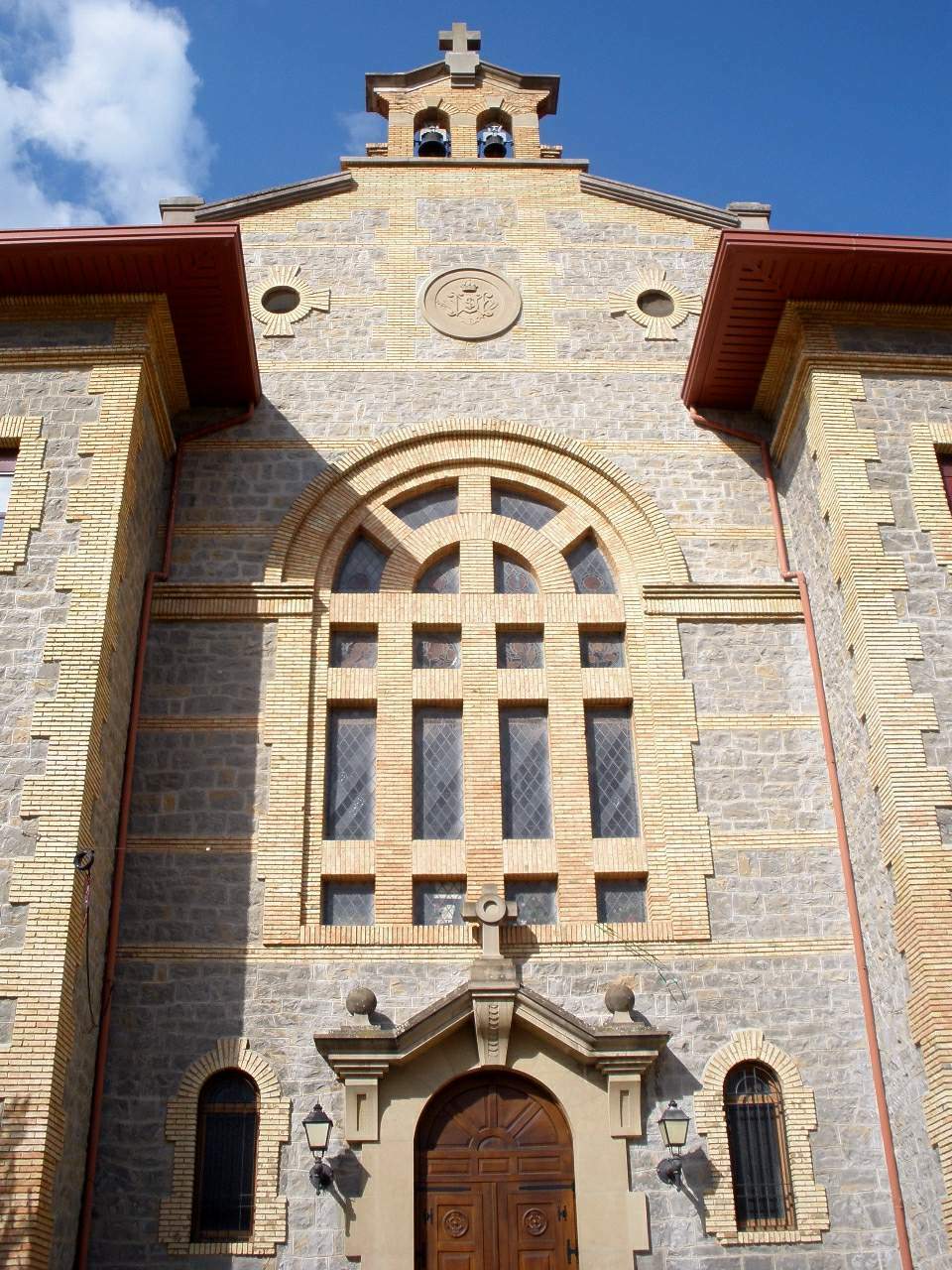
Colegiata de Santa María in Roncesvalles (known in Basque as Orreaga), in Navarre, northern Spain, is one of the most recognizable landmarks on the Camino de Santiago Francés — the point where pilgrims take their first steps on Spanish soil after crossing the Pyrenees.
Why does this place matter so much to pilgrims?
Roncesvalles sits just past the mountain crossing that carries the Camino Francés from France into Spain. For walkers coming from Saint-Jean-Pied-de-Port, it's the first real stop after a demanding, high-altitude stage through the Pyrenees, and for centuries it has been the place where they could count on shelter, care, and basic support. The collegiate church grew directly out of that role: it began life as a church tied to a hospice for travelers and pilgrims, and that function hasn't disappeared — an albergue still operates right next to the church, one of the best-known pilgrim hostels on the entire route.
What's the history behind the collegiate church?
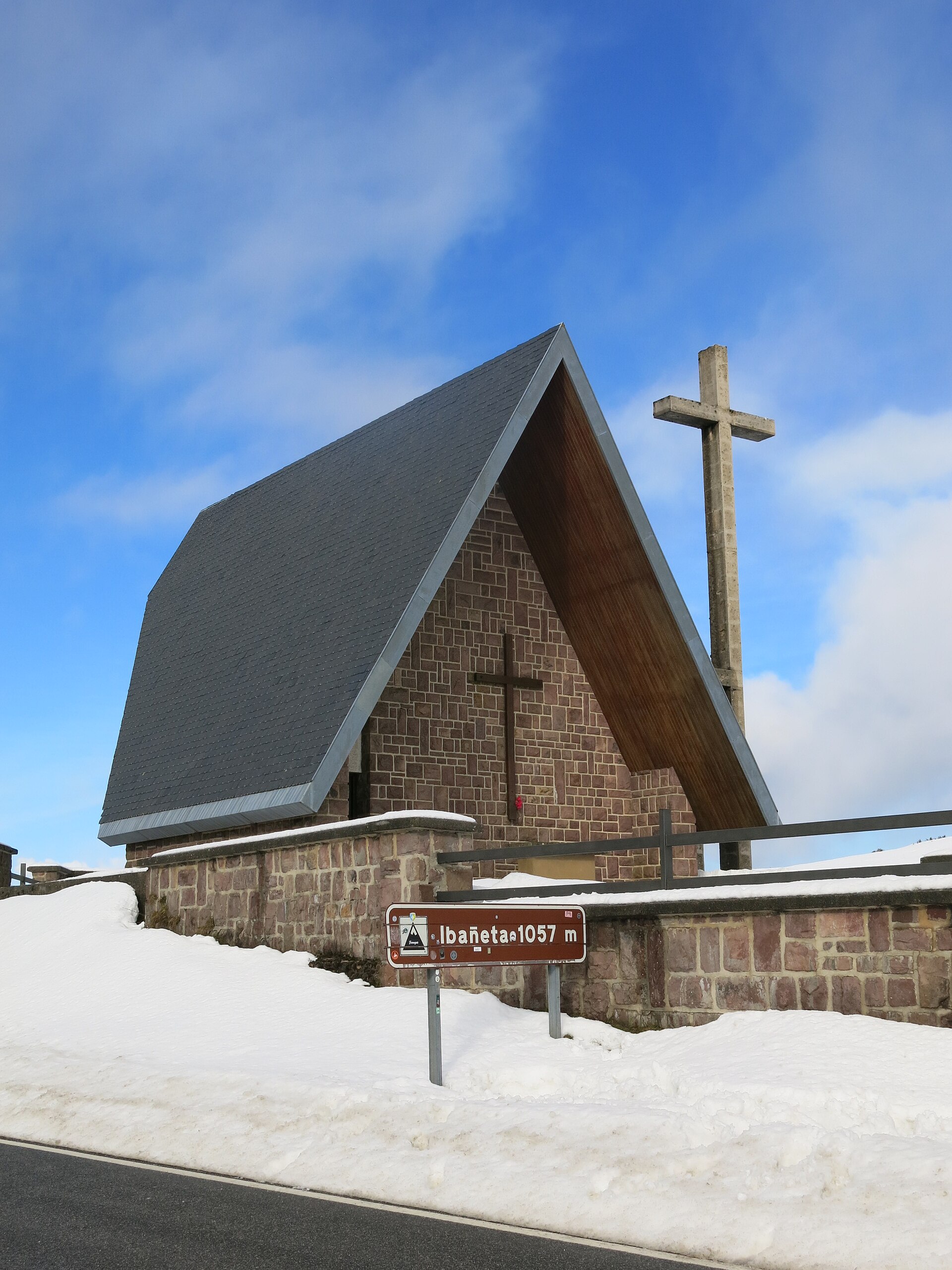
The complex traces back to the 12th century, when a hospice and a church run by canons were established here to look after travelers making the Pyrenean crossing. Over time the institution grew into a collegiate church of major religious and symbolic importance for the entire pilgrimage road to Santiago de Compostela. The surrounding area carries an even older, legendary history — the nearby Ibañeta pass is linked to the Battle of Roncevaux Pass in 778 and the figure of Roland, immortalized in the medieval epic "The Song of Roland."
What is there to see inside?
The main church was built in Gothic style, with a plain, restrained interior typical of churches designed for pilgrims rather than for display. Its chapel houses the Gothic statue of the Virgen de Roncesvalles — a silver, enamel-covered figure of the Virgin Mary and one of the most venerated objects along the entire Camino Francés. The cloister contains the tomb of Sancho VII the Strong, King of Navarre, a reminder of the collegiate church's historic ties to the Navarrese monarchy. The complex also includes a museum and treasury displaying liturgical and historical objects connected to the site's long institutional life.
What should you know before visiting?
Roncesvalles is a tiny village built almost entirely around serving pilgrims and travelers — beyond the collegiate church and the albergue, you'll find a handful of guesthouses and places to eat, but it remains a quiet mountain settlement rather than a resort town. Entry to the church itself is usually free, while visiting the museum and treasury requires a separate ticket — it's worth checking current hours and prices locally, since they can shift with the season. Leave time not just for the church but for a walk up toward the Ibañeta pass, which offers a clear view back over the mountains pilgrims have just crossed.
Frequently Asked Questions
Is entry to the collegiate church free? The church itself is generally free to enter, while the museum and treasury require a separate ticket — it's best to confirm current terms on site.
How do you get to Roncesvalles? On foot, as the first stage of the Camino Francés after crossing the Pyrenees from Saint-Jean-Pied-de-Port, or by local road from Pamplona, the capital of Navarre.
What is the Virgen de Roncesvalles? A Gothic silver and enamel statue of the Virgin Mary kept in the collegiate church, one of the most important devotional objects along the road to Santiago.
Is Roncesvalles connected to the legend of Roland? Yes — the nearby Ibañeta pass is associated with the 778 battle in which Roland died, making the region one of the symbolic sites of medieval Europe.
Nearby places

Earn badges for the places you visit
Download NextOnTrip, discover new places and check off your trails.