About this place
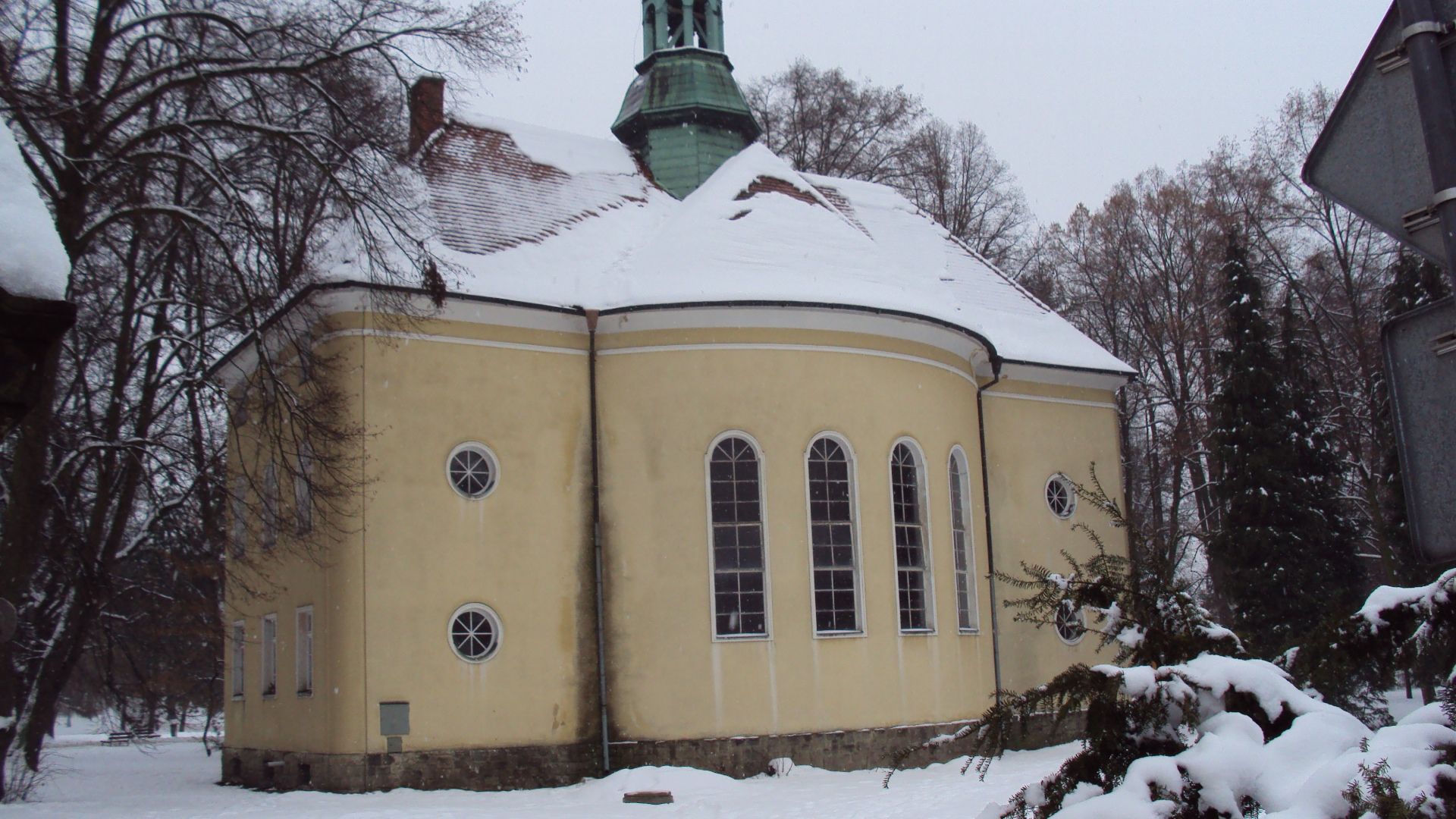
The Cistercian provost house in Česká Lípa is one of the town's oldest surviving buildings, a former daughter house of the Cistercian order closely tied to the neighbouring Church of St. Mary Magdalene. It stands on the left bank of the Ploučnice river on Hrnčířská street, right in the historic centre, and still serves today as the deanery of the local Roman Catholic parish.
When was the provost house founded?
The story begins around 1253, when Cistercian monks from the abbey in Plasy were invited by local landowners to establish a branch house in the town then known as Lipý — today's Česká Lípa. The new foundation was subordinate to the mother abbey, but the considerable distance between Plasy and Lipý made its administration difficult from the very start.
What role did it play in the Middle Ages?
In 1345 a hospital was founded next to the church and provost house, run by Cistercian monks from the monastery in Hradiště nad Jizerou. The site therefore combined pastoral duties with care for the sick and travellers, a common arrangement for monastic foundations along medieval trade routes.
Did it survive the Hussite Wars?
Not unscathed. In May 1426 the provost house and church were burned during a Hussite raid, and the monks abandoned the site for decades. They only returned at the end of the 15th century, after which the first reconstruction works took place around 1460.
How many times did the building burn down?
The provost house had a troubled relationship with fire. It burned again in 1580, with reconstruction carried out between 1582 and 1585. Disaster struck once more in 1724, when lightning hit the building; repairs were finished by 1730. The last major renovation followed in 1756.
What happened after the monastery was dissolved?
In 1786, as part of the Josephine dissolution of monasteries, the mother abbey in Plasy was shut down, and the provost house in Česká Lípa was bought by Count Michael Kounic. The town of Česká Lípa only acquired the building itself in 1922, as part of a land reform.
What is the building used for today?
Today the former provost house functions as the deanery of the Roman Catholic parish, and together with the adjoining Church of St. Mary Magdalene it forms a complex listed as a protected cultural monument (registration no. 1000145132) at Hrnčířská 721. It remains an active place of worship rather than a museum, so visits are largely tied to church services.
Frequently asked questions
Can visitors go inside the provost house? Since it is a working deanery, public access is limited. The easiest way to see it is from the outside while walking along the Ploučnice riverbank, or by attending a service in the neighbouring church.
Why was a Cistercian provost house built in Česká Lípa specifically? Local landowners invited the monks from Plasy to establish a pastoral and administrative outpost in the town, which led to the founding of the branch house around the middle of the 13th century.
How did the building survive so many fires? After each disaster — the Hussite raid of 1426, the fires of 1580, and the lightning strike of 1724 — the building was rebuilt, reflecting its continuing importance to the town as the seat of the parish.
Who owns the building now? The town of Česká Lípa has owned it since 1922, while the building itself continues to serve the Roman Catholic parish as its deanery.
Nearby places

Earn badges for the places you visit
Download NextOnTrip, discover new places and check off your trails.