About this place
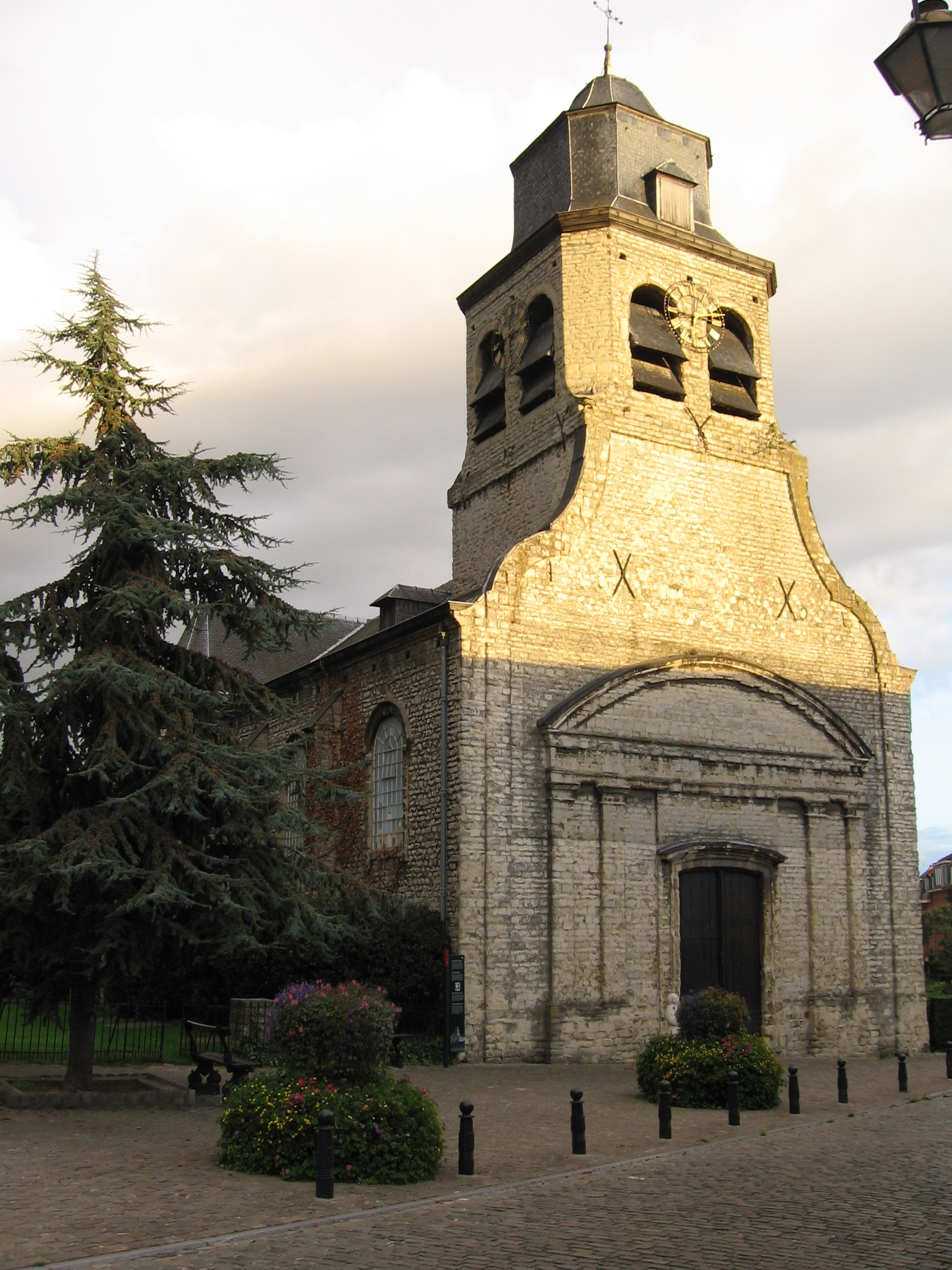
The Church of St. Vincent is the oldest standing building in the Brussels municipality of Evere, a quiet reminder of the area's medieval roots tucked among the district's modern streets.
Who is the church dedicated to?
The church honors Saint Vincent Madelgaire, a Merovingian nobleman who lived from around 600 to 677 and is best remembered as the founder of the town of Soignies in Hainaut. For centuries, the collegiate chapter of Soignies held a direct institutional link to the parish of Evere, a relationship that shaped much of the church's early history.
How old is the building?
The earliest written record of a place of worship in Evere dates back to a charter from 1120, which states that "the altar of Evere" was granted to the Chapter of Soignies. It is possible that a modest chapel or prayer site already stood here as early as the 8th century, though no solid archaeological or documentary evidence confirms this earlier date. From the moment of that 1120 grant until the late 18th century, the residents of Evere paid a tithe — a tax on their harvests — to the chapter in Soignies, a practice that reveals just how long-lasting and economically significant this ecclesiastical bond was.
What does the architecture look like today?
Built of local limestone, the church is a good example of rural religious architecture typical of the Brabant region. Its most distinctive feature is the central tower, built in the late Romanesque style and generally dated to the 13th century. This tower gives the building its recognizable, sturdy silhouette, still visible above the surrounding rooftops.
What historical upheavals has the church survived?
The building did not survive the centuries unscathed. Between 1578 and 1585, during a turbulent period of religious conflict, the church was damaged by Calvinist iconoclasts — part of a broader wave of image-breaking that swept through many Catholic churches across the Low Countries at the time. The structure was subsequently repaired and continued to serve as the parish church of Evere.
What happened to the churchyard?
For centuries, a traditional cemetery surrounded the church, as was common practice for parish churches of the era. This changed at the end of the 19th century: a new municipal cemetery on Rue Saint-Vincent opened in 1880, and the old graveyard immediately around the church was cleared away in 1893. Not everything from that older cemetery disappeared, however — several gravestones were preserved and set into the church's outer wall, where they can still be seen today as physical traces of the site's long funerary history.
Why is it worth a visit?
The Church of St. Vincent offers a rare chance to encounter a centuries-old structure within the densely built, thoroughly modern municipality of Evere. It carries visible marks of both medieval devotion and the religious upheavals that swept the Low Countries in the late 16th century. It appeals to visitors interested in Brussels' local history, regional religious architecture, and the quieter corners of the Belgian capital, away from the usual tourist routes.
Frequently asked questions
Who was Saint Vincent, the church's patron? A 7th-century Merovingian nobleman best known as the founder of the town of Soignies in Hainaut.
How old is the church? The first written mention dates to 1120, though a place of worship may have existed here earlier.
Has the church survived in its original form? No — it was damaged by iconoclasts between 1578 and 1585 and later repaired; its tower probably dates from the 13th century.
What happened to the old cemetery around it? It was removed in 1893, and some of its gravestones were built into the church wall.
Nearby places

Earn badges for the places you visit
Download NextOnTrip, discover new places and check off your trails.