About this place
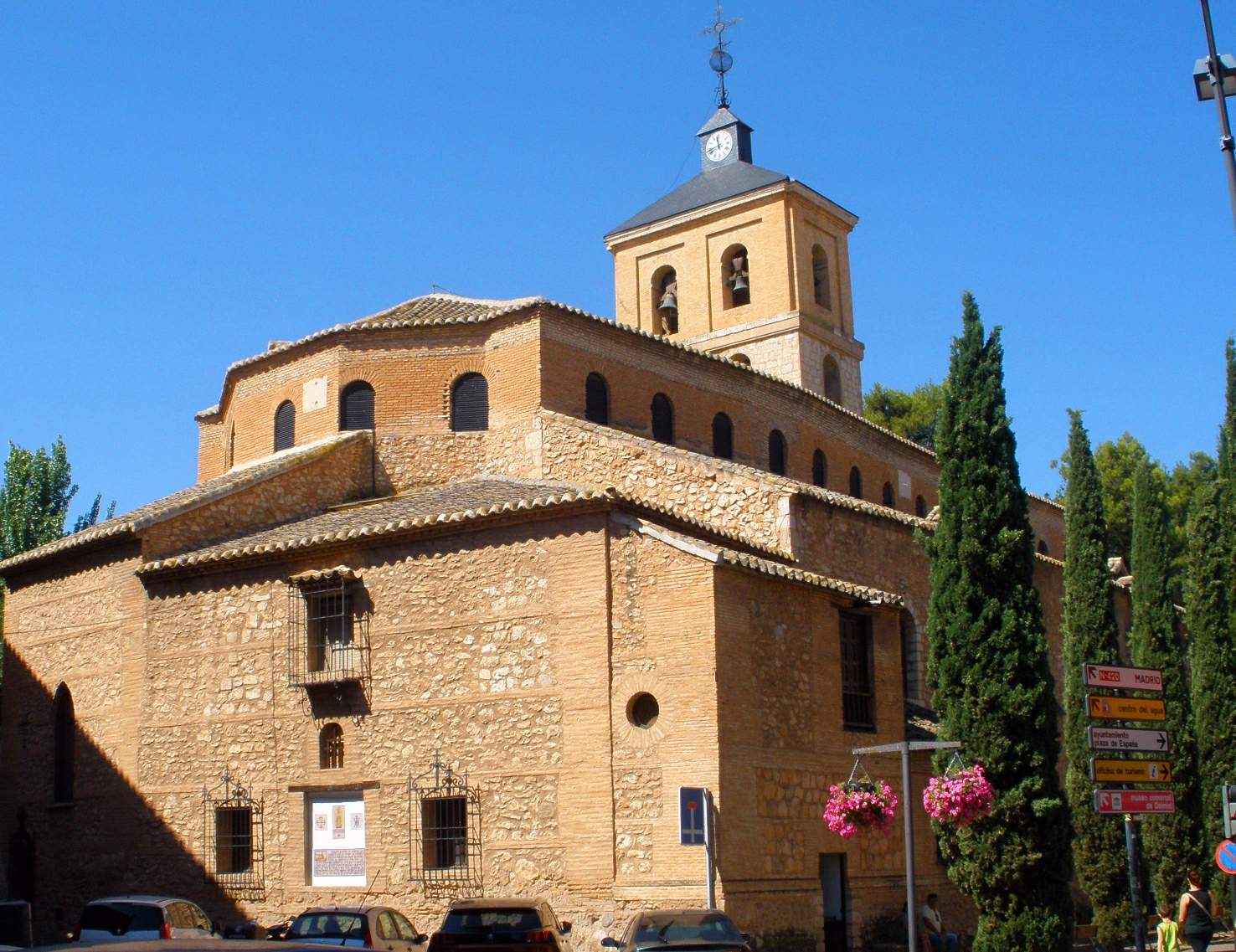
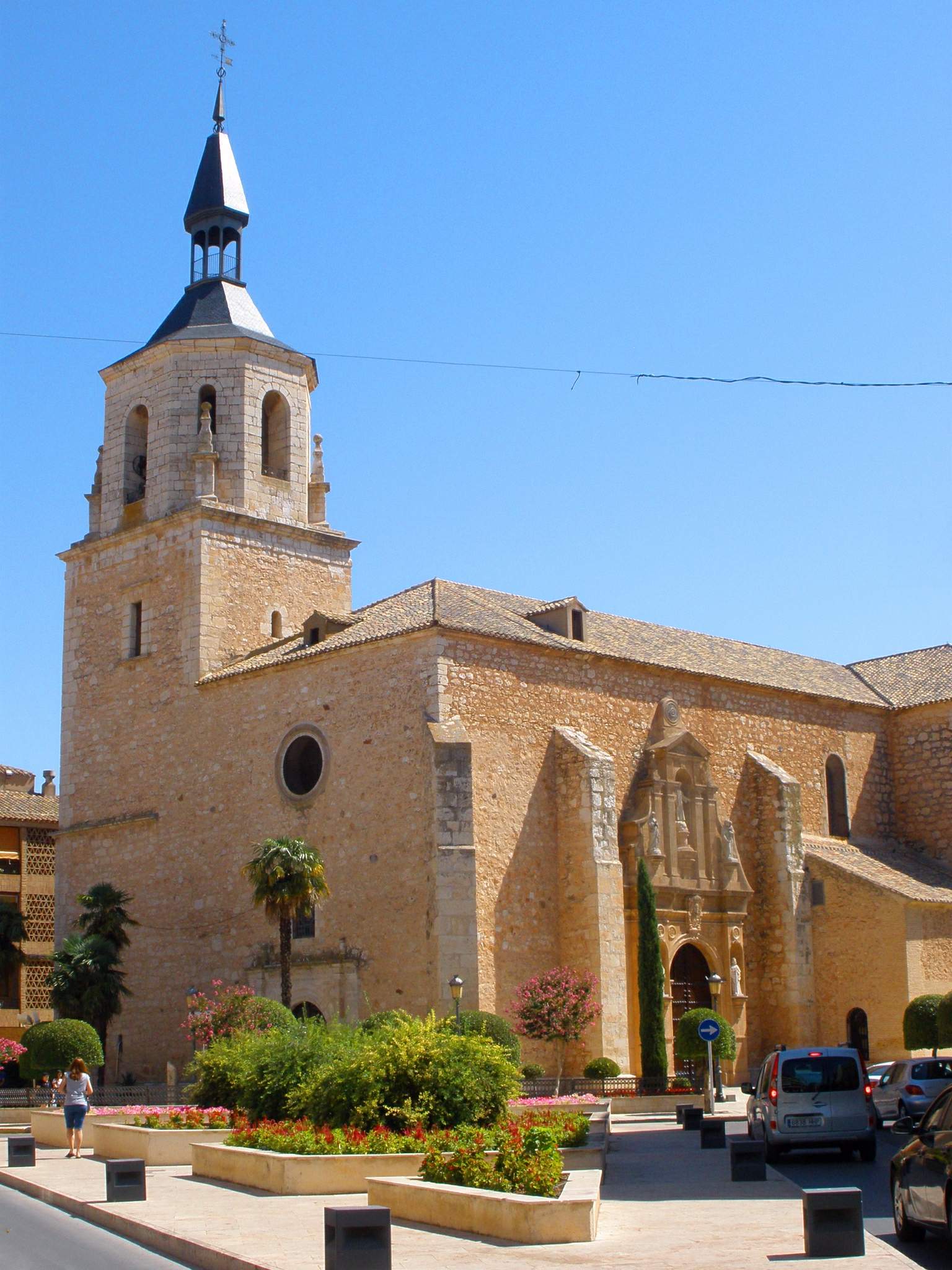
The Church of Santiago is the oldest church in Ciudad Real, a city in the Castilla-La Mancha region of Spain. It stands in the historic center, on land that once belonged to a small settlement called Pozuelo Seco de Don Gil, long before Ciudad Real itself existed as a town.
How do you get there?
Ciudad Real sits south of Madrid and is well connected by high-speed rail — the AVE train from the capital takes under an hour. The Church of Santiago is located within the old town, an easy walk from the city's main square, making it a natural stop while exploring the historic center. The surrounding lanes also lead to the city's other religious landmarks, so a walking route can be planned without needing any transport.
What will you see?
The building went up between the late 13th and early 14th centuries, during a period when late Romanesque style was giving way to Gothic, most likely on the site of an earlier hermitage. Although it's formally classified as Gothic — with three naves and pointed arches — its heavy, austere exterior, the corbels supporting the eaves, and the Mudéjar ceiling inside all point to strong Romanesque roots and Islamic influence, both common in this part of Spain's architectural heritage.
The undisputed highlight is the Mudéjar wooden ceiling over the central nave — a polychrome structure in the Almohad tradition, built between the late 14th and early 15th centuries. At nearly 24 meters long and just over 6 meters wide, its scale alone is striking. The keystone of the Gothic apse holds a fresco depicting eight dragons, an unusual iconographic detail that draws the attention of anyone interested in medieval art. The church also has two doorways decorated with diamond-point ornamentation, and its tower still holds a medieval bell.
Recognizing its historical and artistic value, the church was declared a Bien de Interés Cultural in 1982 — Spain's highest level of heritage protection, reserved for sites of exceptional significance to the country's cultural legacy.
When should you visit?
Ciudad Real has a typical Castilian continental climate, with hot summers and cold winters, so spring (April to June) and autumn (September to October) are the best times to explore the old town on foot. As with the city's other religious sites, the church's interior is best visited in the morning or afternoon, outside of Mass times — it's worth checking local opening hours in advance, since they can vary seasonally.
Frequently asked questions
Why is the Church of Santiago considered the oldest in Ciudad Real? It was built between the late 13th and early 14th centuries, when only a small settlement existed on the site, predating the founding of the city itself.
What is the most valuable feature inside? The wooden Mudéjar ceiling over the central nave, built in the Almohad tradition between the late 14th and early 15th centuries and nearly 24 meters long.
What unusual detail decorates the apse? A medieval fresco of eight dragons, located on the keystone of the Gothic chancel.
Does the church have official heritage protection? Yes — it has held the status of Bien de Interés Cultural since 1982, Spain's top category of cultural heritage protection.
Nearby places

Earn badges for the places you visit
Download NextOnTrip, discover new places and check off your trails.