About this place
The bell tower of the Church of Santa María la Real rises over the old town of Zarautz, a medieval defensive tower that ended up ringing the bells for the parish next door.
What exactly is this tower?
The tower predates the church attached to it. It was built in the 14th century as a secular defensive structure and only later became the bell tower of Santa María la Real, once it was joined to the building's southeast side. The church itself was raised in the 15th century in Spanish Gothic style, with a Latin-cross floor plan finished in a later, more classical idiom and oriented toward the hills behind the town. The tower faces the opposite direction, toward the sea, and its seaward face is deliberately plain.
How do you spot the defensive origins?
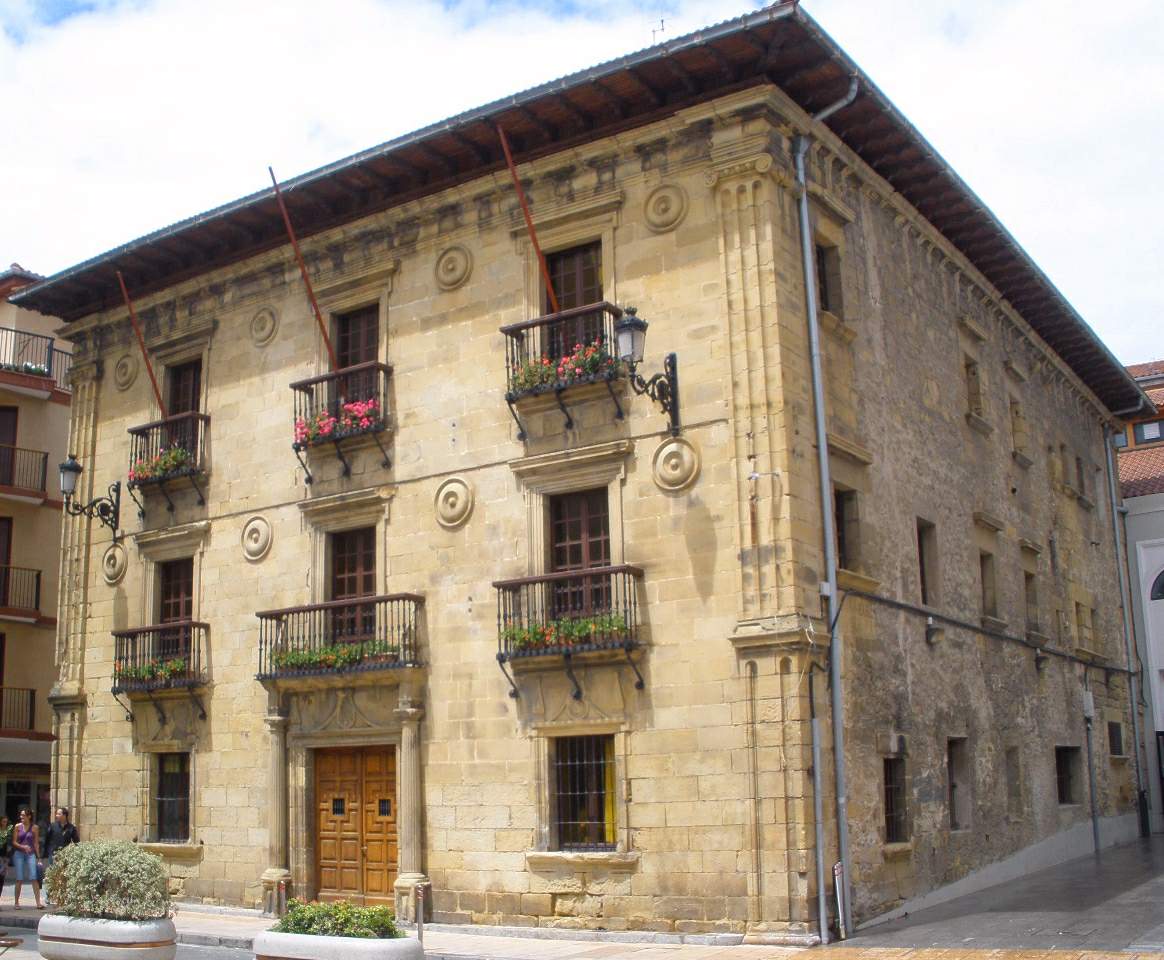
The structure is square in plan, rises five storeys, is built from dressed ashlar stone, and is topped with a four-sided pitched roof. The thick walls and the small number of window openings aren't a stylistic choice — they're what's left of a fortified town tower, the kind local lords used as a stronghold long before it had any religious role.
What's inside and around the tower today?
The tower now houses the Zarautz Museum of Art and History, with exhibits tracing the town's past. Excavations at the base of the tower uncovered remains of Zarautz's oldest known necropolis, dated to between the 10th and 15th centuries — evidence that this patch of ground was a burial site long before the current church was ever built.
Why visit?
Zarautz is one of the best-known resort towns on the Basque coast, built around a long sandy beach that runs right through the town centre and draws surfers from across Europe. The tower sits at the heart of the old quarter, so a visit pairs naturally with a walk through the historic centre and along the seafront promenade. Few sites combine a medieval military structure, a Gothic parish church, and a working local museum in a single building.
How do you get there?
The tower stands in Zarautz's historic centre, close to the shoreline, so it's an easy walk from anywhere in town — Zarautz is compact, and most of its sights sit within about fifteen minutes of the beach on foot. The town has bus and train links to San Sebastián, making it a straightforward day trip from the Basque Country's main tourist hub.
When's the best time to come?
Spring and early autumn strike the best balance between mild weather and lighter crowds. Summer brings the beach season and surf competitions, which are an attraction in their own right but also mean busier streets around the old town. The tower and its surroundings are worth seeing at any time of year, since their appeal is architectural and historical rather than seasonal.
Frequently Asked Questions
Was the tower always part of the church? No. It was originally a 14th-century secular defensive tower and only became the church's bell tower once it was attached to Santa María la Real.
What's inside the tower now? The Zarautz Museum of Art and History, which covers the town's history.
How does the tower differ from the rest of the church stylistically? The tower is plain and fortress-like — thick walls, few windows, Gothic in origin — while the main church body was finished in a later classical style and faces the hills rather than the sea.
What did archaeologists find underneath it? Remains of Zarautz's oldest necropolis, dating from the 10th to the 15th century.
Nearby places

Earn badges for the places you visit
Download NextOnTrip, discover new places and check off your trails.