About this place
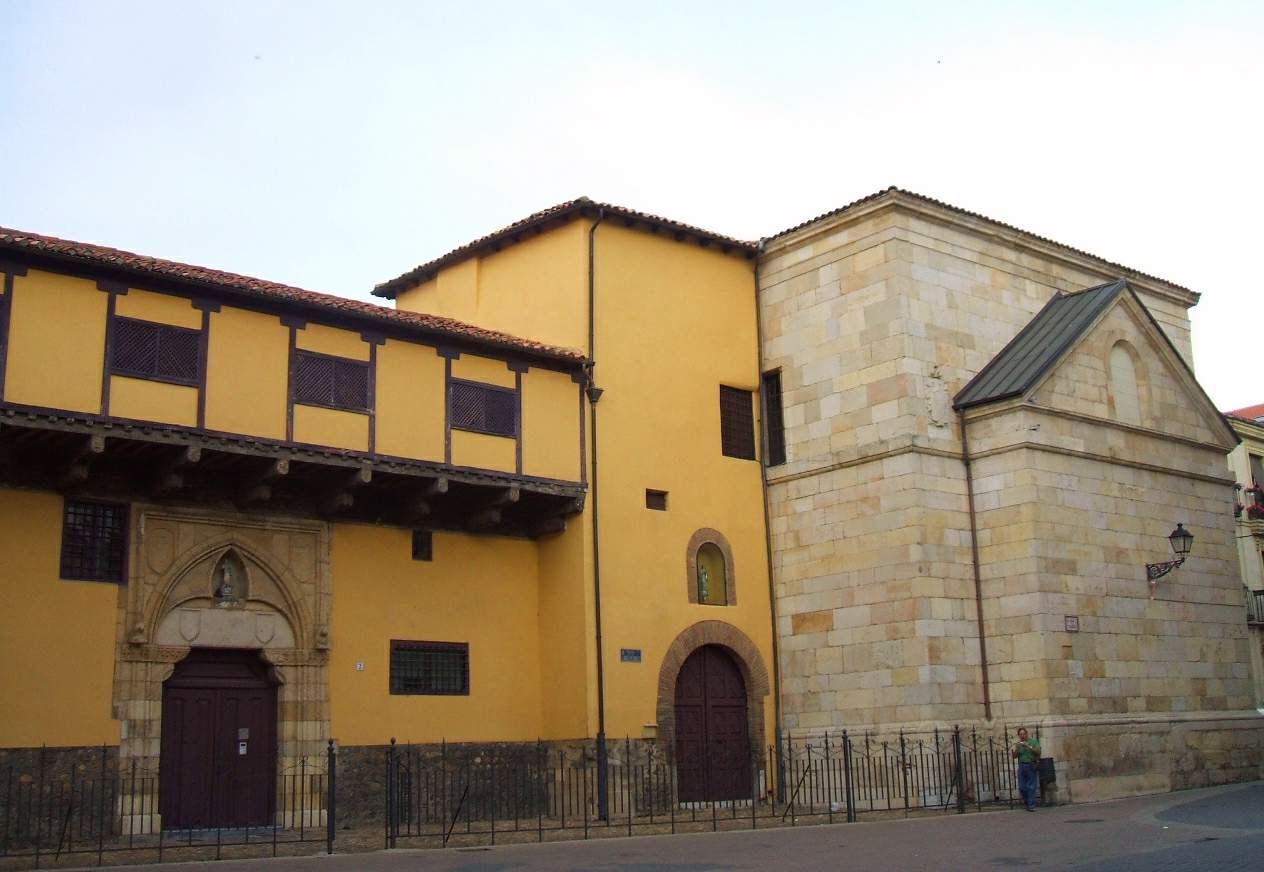
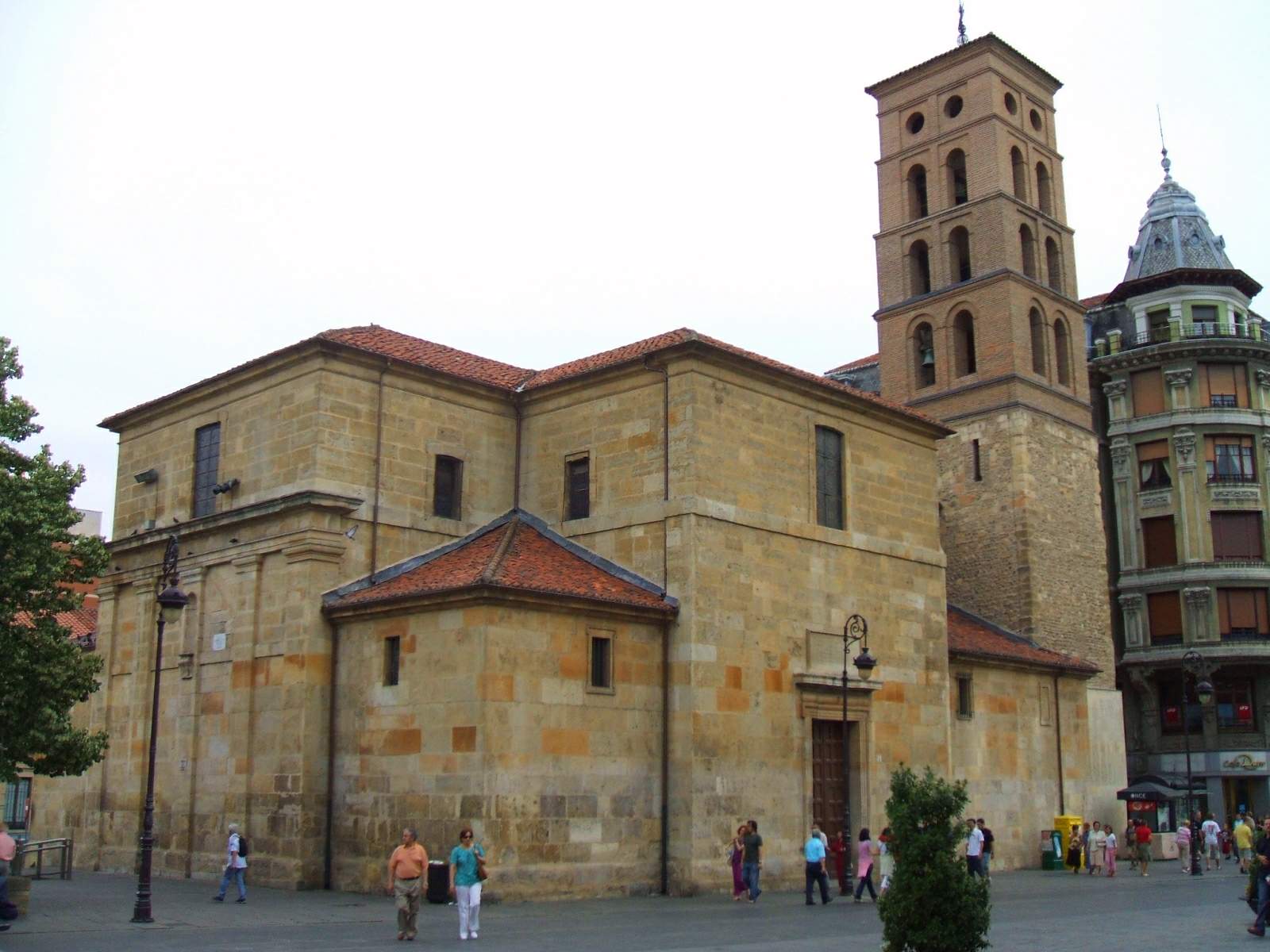
Church of Santa Ana is a historic parish church in León, Spain, standing in the district that carries its name, right along the Camino de Santiago pilgrimage route. Built on medieval foundations, the church changed hands and purpose several times over the centuries, and today it remains one of León's more overlooked historical landmarks, well off the main sightseeing circuit.
Where is the church located?
The church stands on Calle Santa Ana in León, within the old suburb that grew up around it and a nearby hospital. The Santa Ana neighborhood sat directly on the pilgrimage road to Santiago de Compostela, which shaped the site's original purpose. The church is an easy walk from León's historic center.
What is the history behind this church?
The first building on this site dates back to the 12th century, during the reign of Queen Urraca, and belonged to the Order of the Holy Sepulchre. It functioned as a funerary church, used mainly to bury pilgrims who died on their way to Santiago de Compostela. Alongside it stood a leprosarium known as the San Lázaro hospital, along with a pilgrims' cemetery — neither of which survives today.
In the 15th and 16th centuries, ownership passed to the Knights Hospitaller (the Order of St John of Jerusalem, later known as the Order of Malta). From that point on, the building became known as the Church of Santa Ana, the name it still carries. This period also brought a Gothic-Mudéjar reconstruction, which gave the church its current architectural character — a blend of Christian Gothic forms with decorative elements typical of Mudéjar art, created by Muslim craftsmen working in Christian Spain.
Over time, an entire neighborhood grew up around the church and hospital, bordered to the east by the Reguero del Obispo stream and to the west by the Camino Francés route. Jewish residents also lived in this part of the district, reflecting the multicultural makeup of this corner of medieval León.
What can visitors see inside?
The interior preserves parts of the original medieval structure along with striking sgraffito decorations — a Renaissance-era technique of scratching patterns into layered plaster. The church follows a three-nave plan: a wide central nave flanked by two side aisles marked off by Gothic pointed arches. On the north wall, visitors can spot mural paintings in the Mudéjar style, a testament to the long-standing cultural crosscurrents in León's architecture.
The main altarpiece is neoclassical in style, decorated with baroque woodcarving — a combination that reflects the successive rounds of remodeling and embellishment the church underwent across the centuries.
Why is the Church of Santa Ana worth visiting?
This church offers a different angle on León than the main routes centered around the cathedral and the Basilica of San Isidoro. It tells a lesser-known chapter of the city's story — one of pilgrims, leprosy hospitals, and a multicultural district that grew up along the Camino de Santiago. For anyone interested in the history of the military orders or in Mudéjar architecture, it makes a worthwhile stop while exploring León.
Frequently Asked Questions
When was the Church of Santa Ana in León built? The first church on this site dates to the 12th century, built during the reign of Queen Urraca and belonging to the Order of the Holy Sepulchre.
Why is the church named after Santa Ana? It took this name after passing to the Knights Hospitaller in the 15th–16th centuries; before that, it was linked to the cult of the Holy Sepulchre.
What used to stand next to the church? A leprosy hospital known as San Lázaro and a pilgrims' cemetery once stood beside the church — neither has survived to the present day.
What architectural style does the building represent? The church is Gothic-Mudéjar in style, featuring a three-nave layout, pointed arches, and Renaissance sgraffito decoration inside.
Nearby places

Earn badges for the places you visit
Download NextOnTrip, discover new places and check off your trails.