About this place
Church of Nuestra Señora del Mercado sits right in the heart of León's old town, on Plaza del Grano, and ranks among the few surviving examples of Romanesque architecture still standing in the city. The building lies directly on the French route of the Camino de Santiago, which for centuries made it a resting point for pilgrims passing through León on their way to Santiago de Compostela.
Why does the church have more than one name?
Locally the church is known both as Nuestra Señora del Mercado and as Santa María del Camino de los Franceses, a second name that points straight to its position on the French pilgrim route. The "del Mercado" part comes from the adjoining square, which has hosted market trade and everyday neighborhood life for generations.
How old is the building?
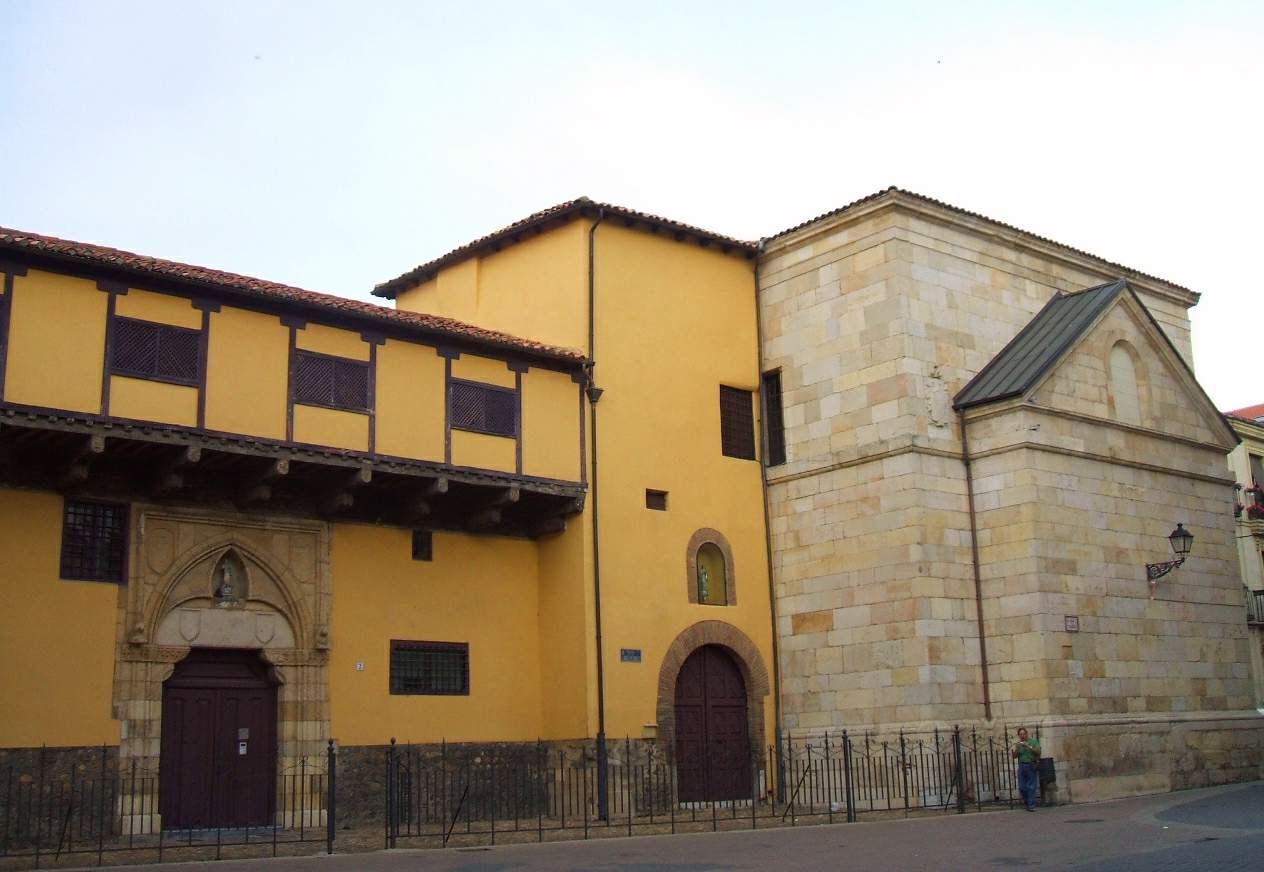
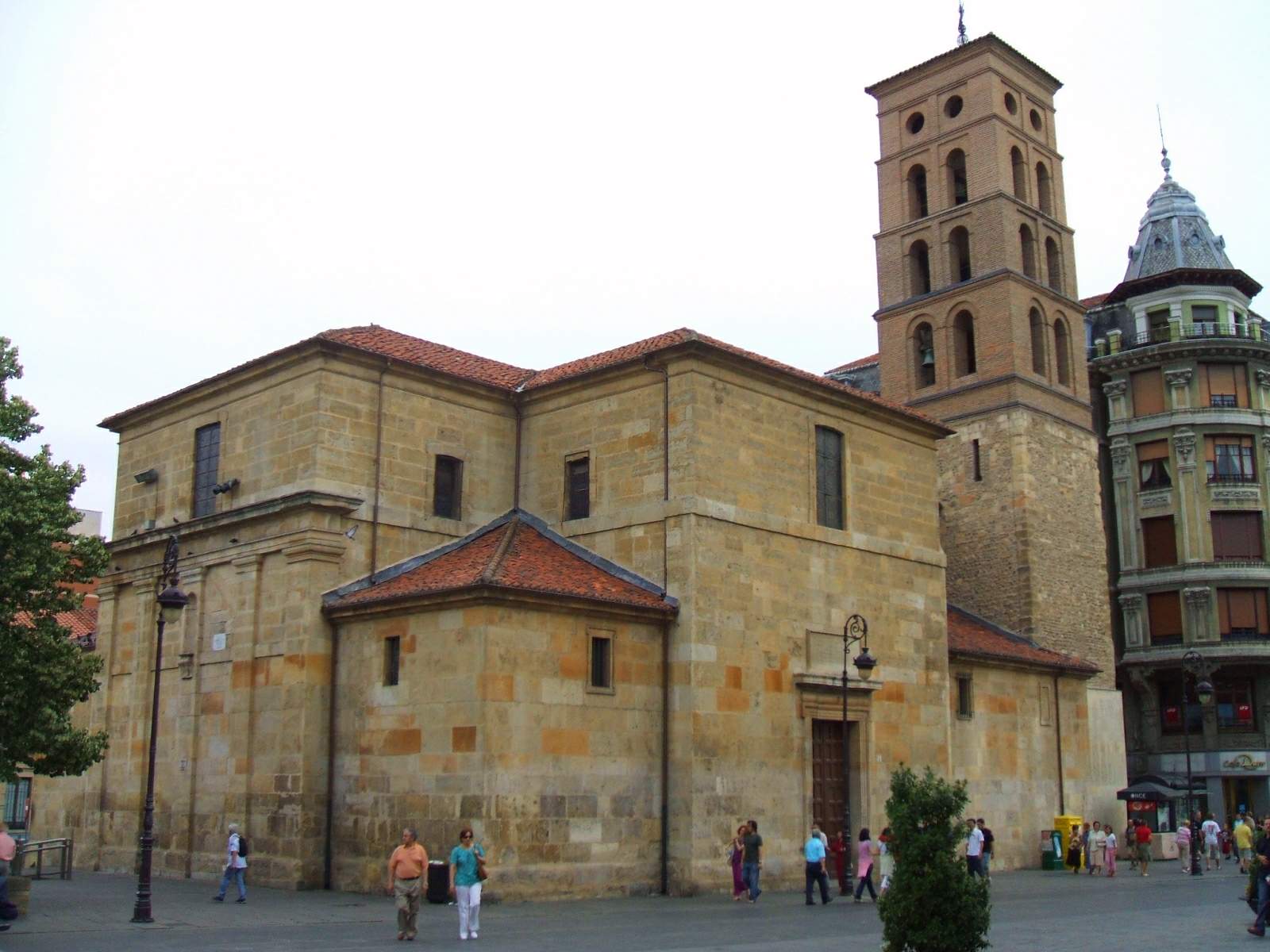
The oldest, Romanesque section of the church predates the 12th century — written records confirming the church's existence go back to the late 11th century. Surviving from that original phase are two lateral apses, the first bay of the central nave, and the exterior north and south walls with their side windows and doorways. Later centuries added further work on top of that Romanesque core, but without erasing its medieval character.
What role did the church play for pilgrims?
The church was built specifically to give pilgrims entering León a place of spiritual shelter on one leg of their journey to Santiago. Its position directly on the main route meant the building was tied from the outset to the flow of pilgrims passing through the city, not only to the local parish.
Is the church officially protected as a heritage site?
Yes. On 28 September 1973 the building was declared a monumento histórico-artístico de carácter nacional, a designation published in the Boletín Oficial del Estado on 17 October of that same year. That national listing confirms the church's historical and architectural value beyond a purely local level.
What legend is tied to this spot?
A local legend tells of a shepherd who came across the original image of the Virgin hidden among brambles, on the exact spot where the stone cross on Plaza del Grano now stands. Passed down through generations of León residents, the story explains why this particular corner of the square carries spiritual weight independent of the church building itself.
What else is worth seeing nearby?
Plaza del Grano, where the church stands, is one of the most authentic and least crowded corners of old León — a cobbled square lined with stone houses that keeps a quieter pace than the busier streets around the nearby cathedral. The church's plain Romanesque walls and modest architectural detail stand in clear contrast to the city's more ornate churches, and for many visitors that contrast is exactly the point of interest.
Frequently Asked Questions
Is the church part of the Camino de Santiago route through León? Yes, it sits directly on the French route of the Camino de Santiago as it crosses León, so it naturally falls along the path walked by pilgrims and Camino travelers today.
Why does the church go by two different names? Nuestra Señora del Mercado refers to the adjoining market square, while Santa María del Camino de los Franceses highlights the church's link to the French pilgrim route — both names remain in local use side by side.
Does the building still show its original Romanesque structure? Partially — the two lateral apses, the first bay of the nave, and the exterior walls with their windows and doorways date from the original Romanesque phase, though later centuries added further elements to the church.
What does the monumento histórico-artístico status mean? It is a Spanish heritage designation for sites of national significance, granted to this church in 1973, which protects the building as part of Spain's historical and architectural heritage.
Nearby places

Earn badges for the places you visit
Download NextOnTrip, discover new places and check off your trails.