About this place
Church of San Trokaz is the parish church of Abadiño, a small town in the Durangaldea region of Bizkaia province, in the Basque Country. Dedicated to Saint Torquatus (Basque: San Trokaz), the building sits on a site with a much longer religious history than its current structure suggests, and it remains woven into the town's identity and calendar today.
What is the history behind the church?
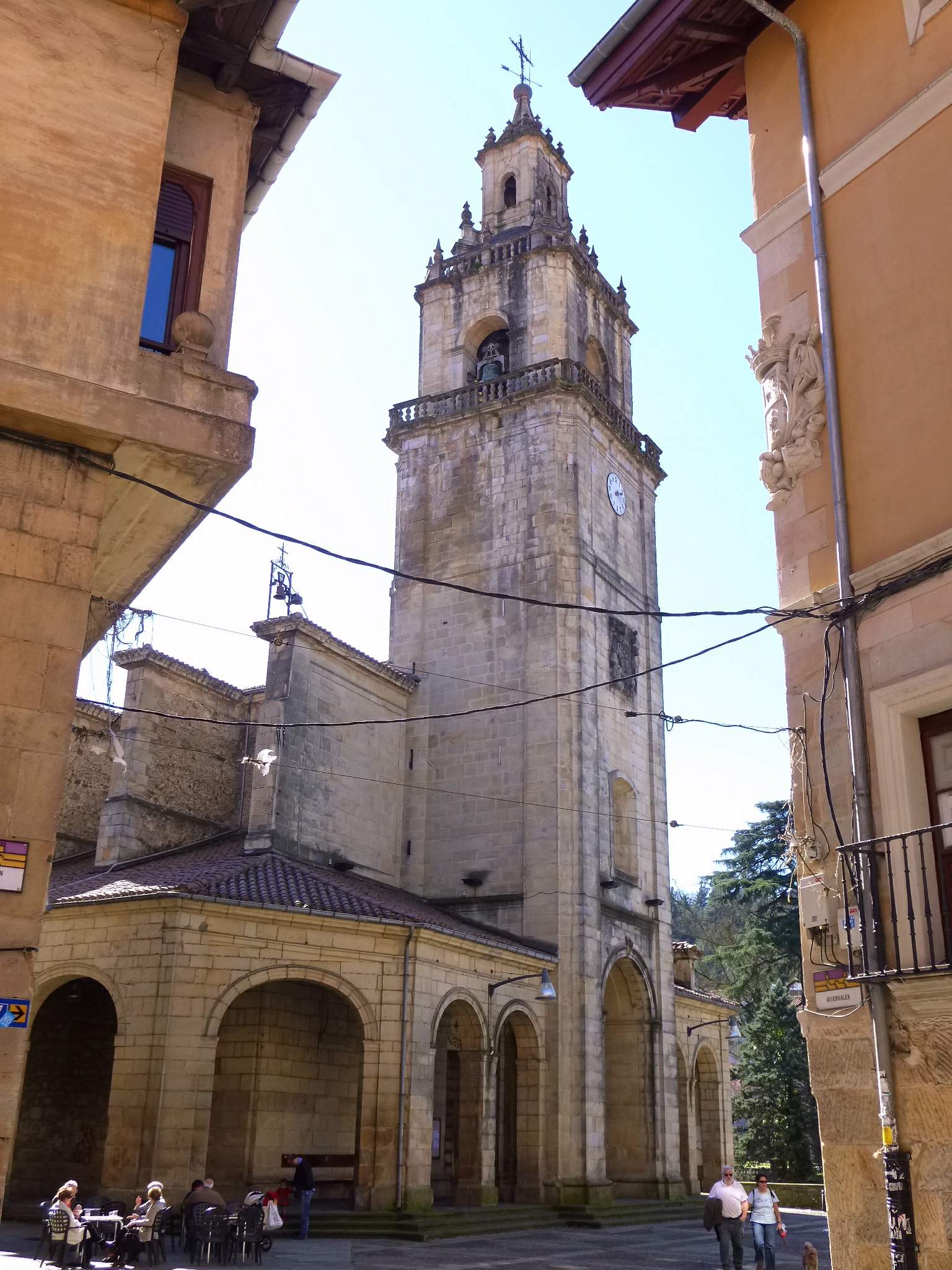
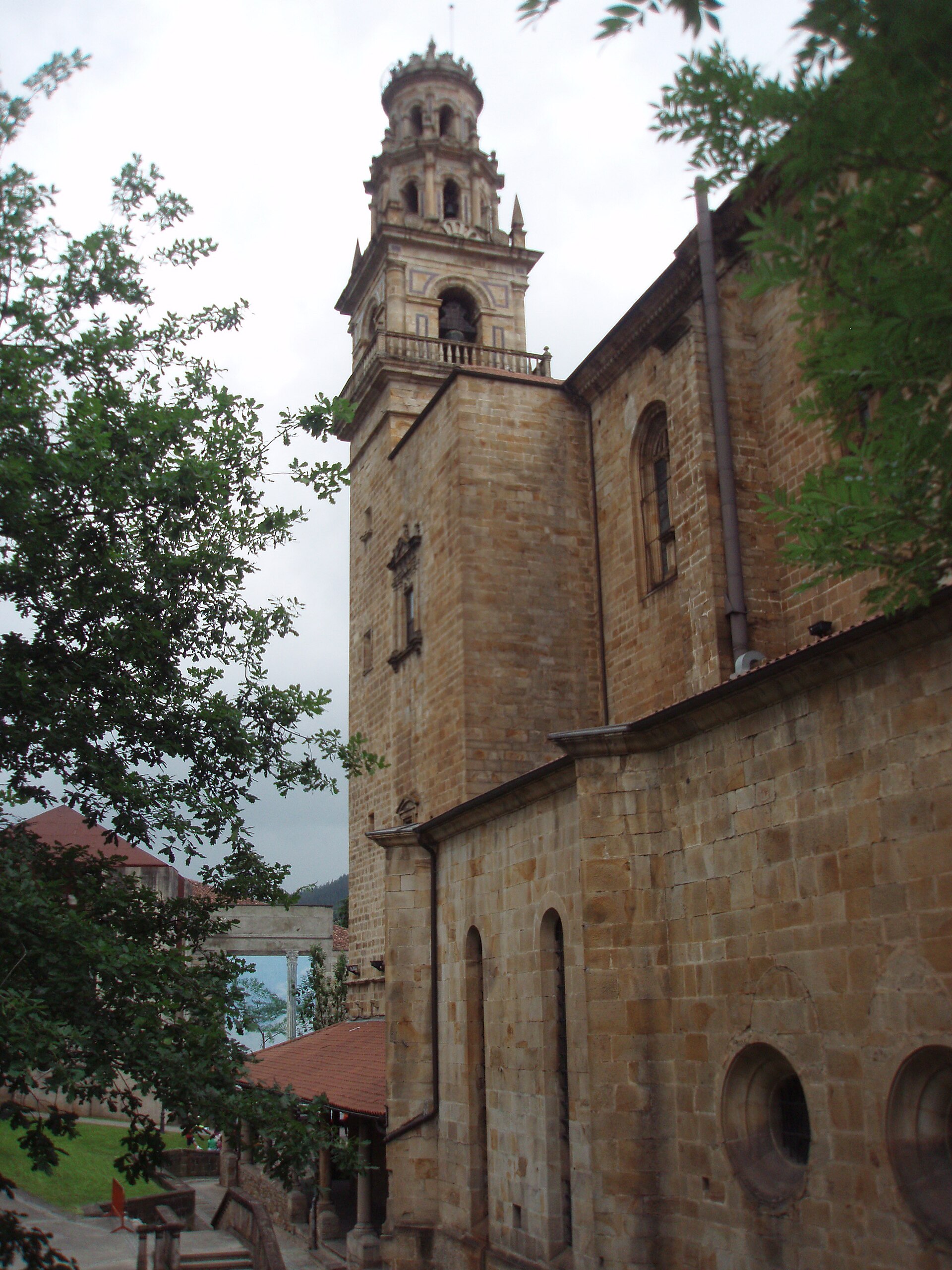
Before the present building existed, a smaller church already stood on the same spot, though almost no documentary record of that earlier structure survives. One piece of it does remain, however: the tower, designed in 1732 by the stonemason Juan de Herdoiza from nearby Durango. When the town decided on a full rebuild of the church in the second half of the 18th century, Herdoiza's tower was kept intact while the rest of the building was raised anew around it. Construction ran in two phases between 1762 and 1783, the year the church was formally consecrated. The design was drawn up by the Gipuzkoan architect Ignacio de Ibero, while local stonemasons and carpenters from the Durango area carried out the actual building work.
One striking historical detail ties the church to the region's medieval past: during the so-called Wars of the Bands, the factional conflicts common across the Basque Country in the Middle Ages, notices announcing the time and place of armed confrontations between rival lineages were posted at this very church. Long before it was simply a place of worship, it doubled as a kind of public notice board for the local community.
Who is the church dedicated to, and why does it matter locally?
San Trokaz — Saint Torquatus the Martyr — is the patron saint of Abadiño, and the town celebrates his feast day every year on 15 May, one of the key dates on the local calendar. The saint's cult runs deep enough in the area that a smaller chapel in the nearby Gastelua neighbourhood, dedicated to San Martín Papa, also carries the San Trokaz title, a sign of how firmly this patron saint is embedded in the identity of the wider Durangaldea valley.
What should visitors look out for architecturally?
The clearest link to the building's older history is its 18th-century tower, the only surviving element from the church that stood here before the 1762–1783 rebuild. The nave and the rest of the structure reflect the religious architecture typical of the Basque Country in that period, the product of a decades-long, two-phase project carried out by local craftsmen under the direction of an outside architect. Pairing an older surviving tower with a newer body built around it is a recurring pattern in Basque church architecture, and it is worth a closer look here.
Where is the church, and how should visitors plan a stop?
The church stands in the centre of Abadiño, a town in the Durangaldea valley close to Durango, one of the main towns of this part of Bizkaia. It makes a natural stop for anyone exploring the smaller towns of the Basque interior, combining architectural interest with genuine local character. Since it remains an active parish, visitors should be mindful of Mass times and local customs when planning a visit.
Frequently Asked Questions
Which saint is the church in Abadiño dedicated to? It is dedicated to San Trokaz, Saint Torquatus the Martyr, the patron saint of the town.
What is the oldest surviving part of the building? The tower is the oldest element still standing, designed in 1732 by the stonemason Juan de Herdoiza, and it predates the church's 18th-century rebuild.
When is the patron saint's feast day celebrated? Abadiño celebrates the feast of San Trokaz every year on 15 May.
Does the church have any link to the region's medieval conflicts? Yes — during the medieval Wars of the Bands, notices announcing the location and date of clashes between rival factions were posted at this church.
Nearby places

Earn badges for the places you visit
Download NextOnTrip, discover new places and check off your trails.