About this place
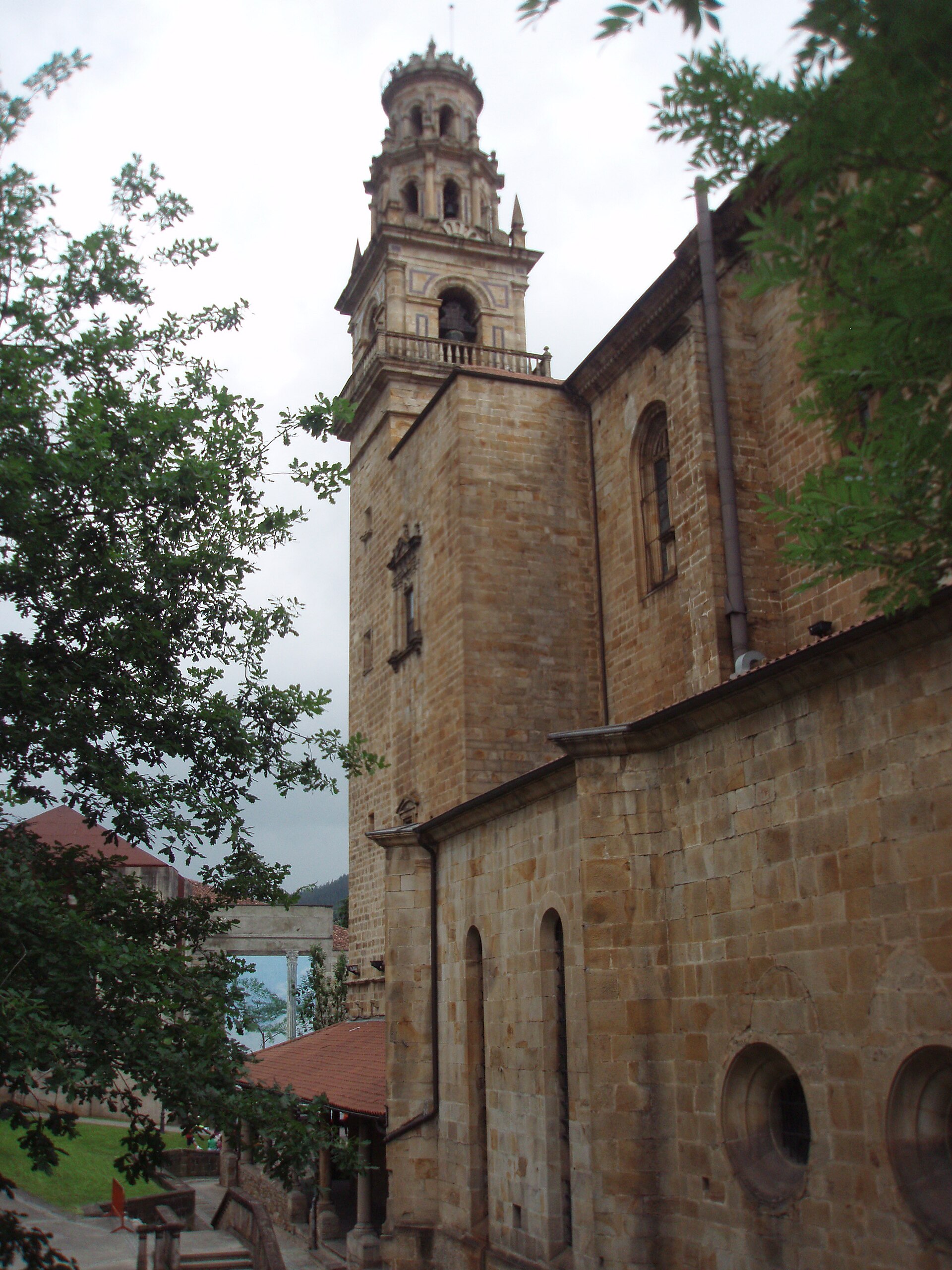
The Basilica of la Purísima Concepción stands in the heart of Elorrio, a small town in the Basque province of Bizkaia in northern Spain.
When was the basilica built?
Construction began in 1464 and continued for over four decades, finishing in 1506. The project grew out of a practical concern: the town's original parish, San Agustín de Etxebarría, sat too far from the growing settlement, and Elorrio wanted a church of its own closer to its centre. Master builders Pascual de Iturriza and Andrés de Mendraca worked on the project. The church was first dedicated to Santa María, only later taking on its current dedication to the Immaculate Conception.
What architectural style is it built in?
The building went up during a period of stylistic transition, and that shows in its stonework — Gothic vaulting and pointed forms sit alongside more classically inspired details that hint at the incoming Renaissance. That mix makes the basilica a useful marker of how architecture in the Basque Country shifted at the turn of the 16th century, rather than a pure example of either style.
What was added after the original construction?
The church grew in stages long after its initial completion. Part of the portico dates to 1655, adding a substantial entrance in front of the main body of the building. The tall Baroque tower — a visible landmark on Elorrio's skyline — went up in 1672. The sacristy came later still, in 1762. Taken together, these additions mean the building carries the fingerprints of several centuries: Gothic and Renaissance in its core, Baroque and later classicising work around the edges.
Why does it carry the title of basilica?
The church was raised to the status of minor basilica in 1959, a designation the Catholic Church reserves for buildings of particular historical, artistic, or religious significance. Its reputation goes back much further, though: in 1634, the Durango-based historian Gonzalo de Otálora y Guissasa described the church of the Immaculate Conception in Elorrio as one of the finest buildings in Europe — a striking judgment from nearly four centuries ago.
What should visitors look out for inside?
Among the highlights inside is a retable dedicated to the Immaculate Conception, one of several pieces that make up the church's interior decoration. The exterior rewards a slow walk around the building too, since the portico, tower, and main façade were each added at different points across three centuries and show noticeably different stylistic touches. Because the basilica sits right in the town centre, it's easy to combine a visit with a wider walk through Elorrio's historic streets.
Where exactly is the basilica located?
The basilica stands on Plaza Gernikako Arbola, in the centre of Elorrio, in the province of Bizkaia, within the Basque Country in northern Spain. Its central location makes it a natural starting point for exploring the rest of the town.
Frequently Asked Questions
How long did it take to build the basilica in Elorrio? The main structure took over forty years, from 1464 to 1506, though later additions — the portico, tower, and sacristy — were built over the following two and a half centuries.
Why is it called a basilica rather than just a church? It received the title of minor basilica in 1959, granted by church authorities in recognition of its historical and architectural importance.
What architectural styles can visitors see there? The main body mixes Gothic and Renaissance elements, while later additions — the portico, tower, and sacristy — were built in Baroque and classicising styles.
Is the basilica easy to reach on foot in Elorrio? Yes — it sits on Plaza Gernikako Arbola right in the town centre, so it fits naturally into a walk around Elorrio's historic core.
Nearby places

Earn badges for the places you visit
Download NextOnTrip, discover new places and check off your trails.