About this place
The Church of San Pedro de los Arcos sits on a low rise on the slopes of Monte Naranco, on the edge of Oviedo (Uviéu), the capital of Asturias. Its neo-Romanesque exterior dates only from the early twentieth century, but the site itself has served as a place of worship for far longer.
How old is the history of this site?
Evidence of Christian worship here goes back to Visigothic times, the 5th to 7th centuries, when an earlier chapel stood under the name San Pedro del Otero. Over the following centuries the building was reworked more than once before it eventually took its later name. It was only in the 18th century that the church became known as San Pedro de los Arcos, after a nearby aqueduct called the Acueducto de los Arcos, also known as de los Pilares. That aqueduct was built between 1570 and 1599 under the direction of Juan de Cerecedo, and five of its arches still stand today in the neighbouring district of Vallobín.
Why was the church rebuilt in the twentieth century?
The old chapel was torn down in 1908, and the design of its replacement was entrusted to architect Luis Bellido. Construction finished in 1910, giving the parish the neo-Romanesque building seen today, with heavy walls, rounded arches and a tower that echo medieval church forms even though the structure itself is entirely modern, dating from the start of the twentieth century. Two years later, Bellido went on to design another well-known Oviedo church, San Juan el Real.
What should visitors know before going?
The church functions as an active parish, so access to the interior generally follows mass times and parish activity rather than fixed tourist opening hours. From the surrounding streets, the building's solid neo-Romanesque profile makes it a clear landmark in this part of the city. Its name — "de los Arcos", meaning "of the arches" — is a direct reference to the old aqueduct nearby, remnants of which can still be seen a short walk away in Vallobín.
What makes this church significant for Oviedo?
San Pedro de los Arcos ties together two layers of the city's history: a Visigothic-era Christian presence on the hills surrounding the centre, and an early-20th-century wave of parish church rebuilding that reshaped several corners of Oviedo. For residents of the district it remains, first and foremost, a working place of worship; for visitors, it stands as a marker of sacred continuity on this spot stretching back well over a thousand years, even though the building actually visible today is just over a century old.
Frequently Asked Questions
When was the current Church of San Pedro de los Arcos built? The present building went up between 1908 and 1910, after the earlier chapel was demolished, to a design by architect Luis Bellido.
Where does the name "de los Arcos" come from? It refers to the Acueducto de los Arcos, a 16th-century aqueduct built under Juan de Cerecedo near the church; several of its arches survive today in the nearby Vallobín district.
How far back does the history of this site go? The earliest evidence of worship here dates to Visigothic times, the 5th to 7th centuries, when the chapel was known as San Pedro del Otero.
Is the church an active parish? Yes, San Pedro de los Arcos functions as a working Catholic parish, and interior access generally follows mass and service times rather than standard visiting hours.
Nearby places
-
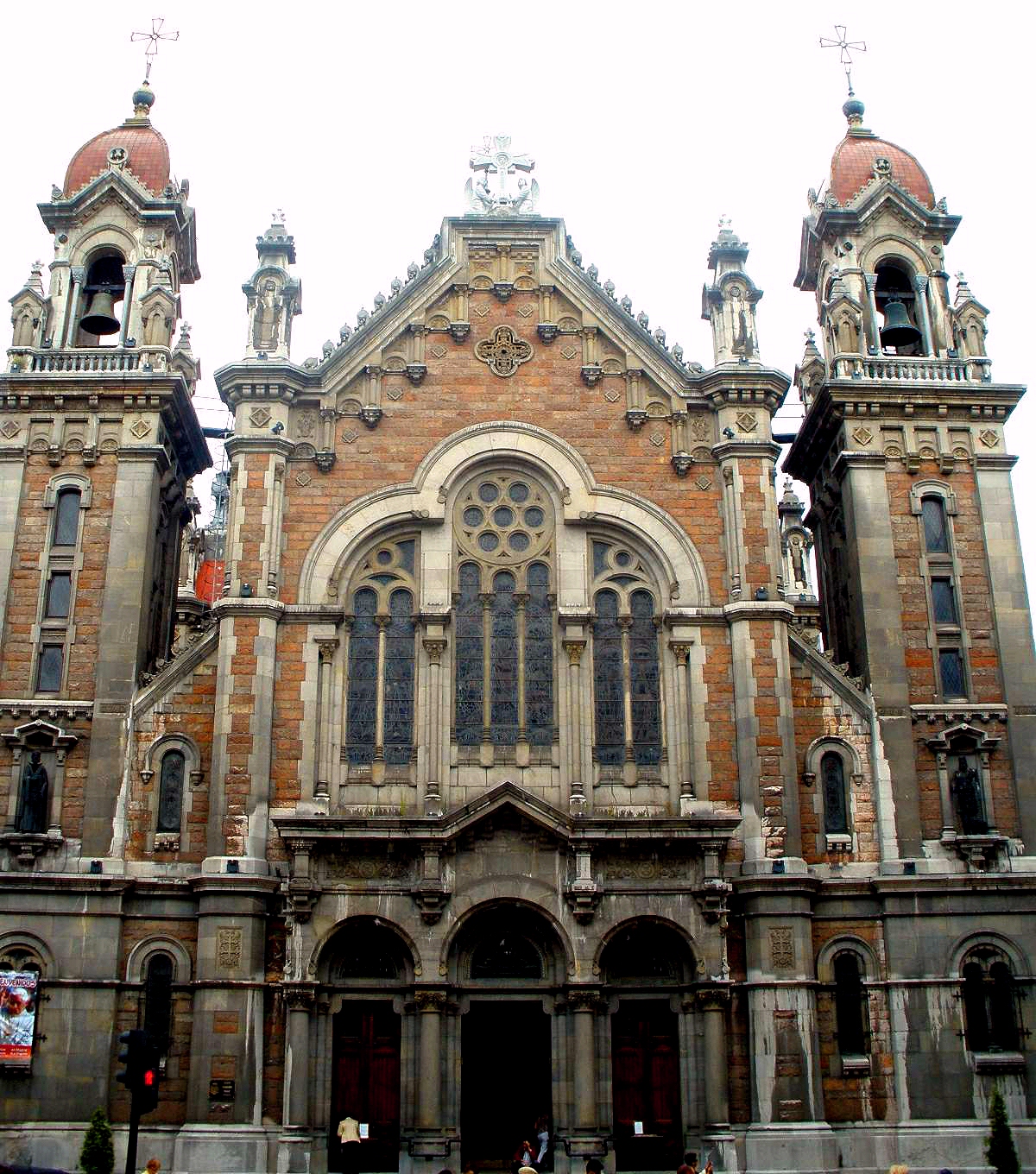
Basilica of St. John the Baptist
Oviedo / Uviéu
-
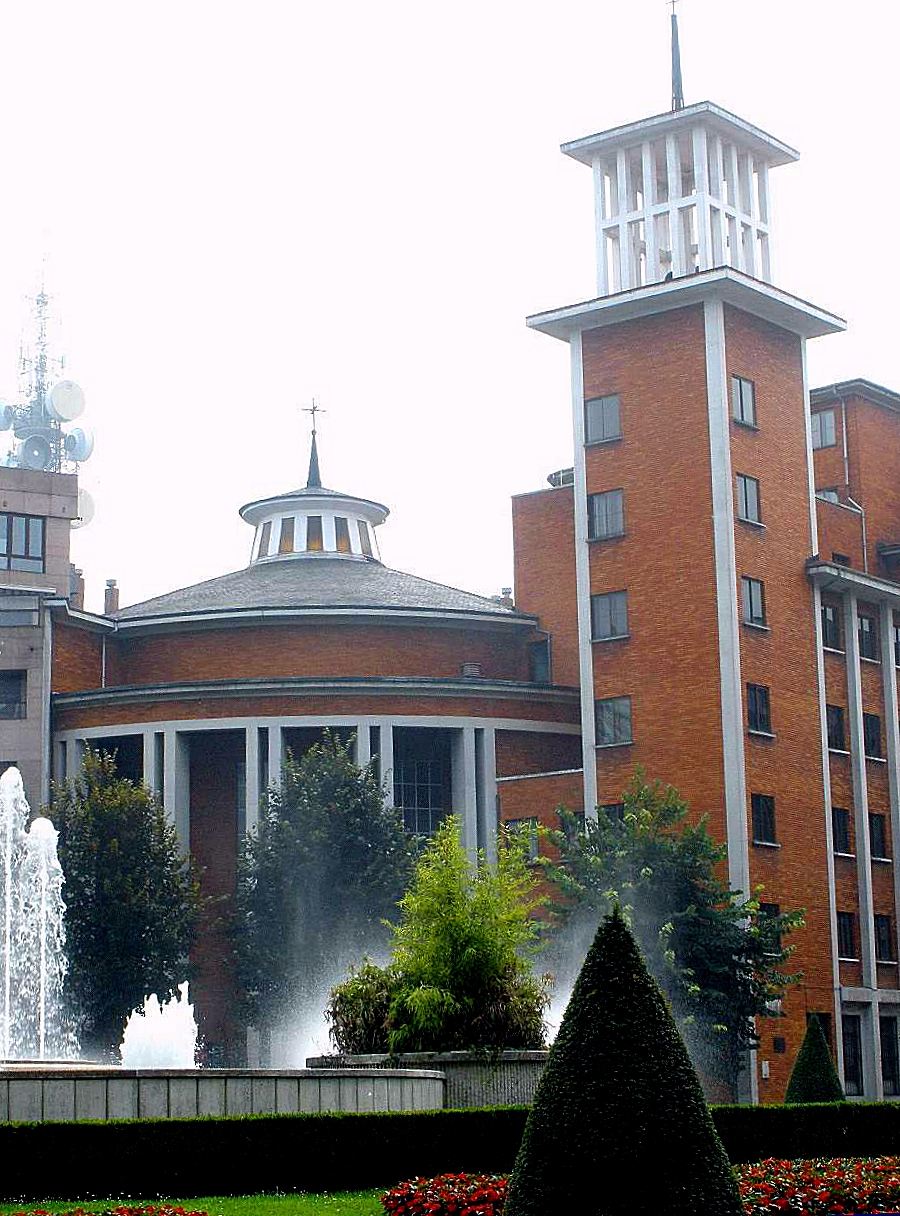
Church of Inmaculado Corazón de María, Oviedo
Oviedo / Uviéu
-

Church of the Sagrado Corazón de Jesús, Oviedo
Oviedo / Uviéu
-
Monastery of San Pelayo
Oviedo / Uviéu
-
Metropolitan Cathedral Basilica of the Holy Saviour, Oviedo
Oviedo / Uviéu
-
Museo de la Iglesia de Oviedo
Oviedo
Earn badges for the places you visit
Download NextOnTrip, discover new places and check off your trails.