About this place
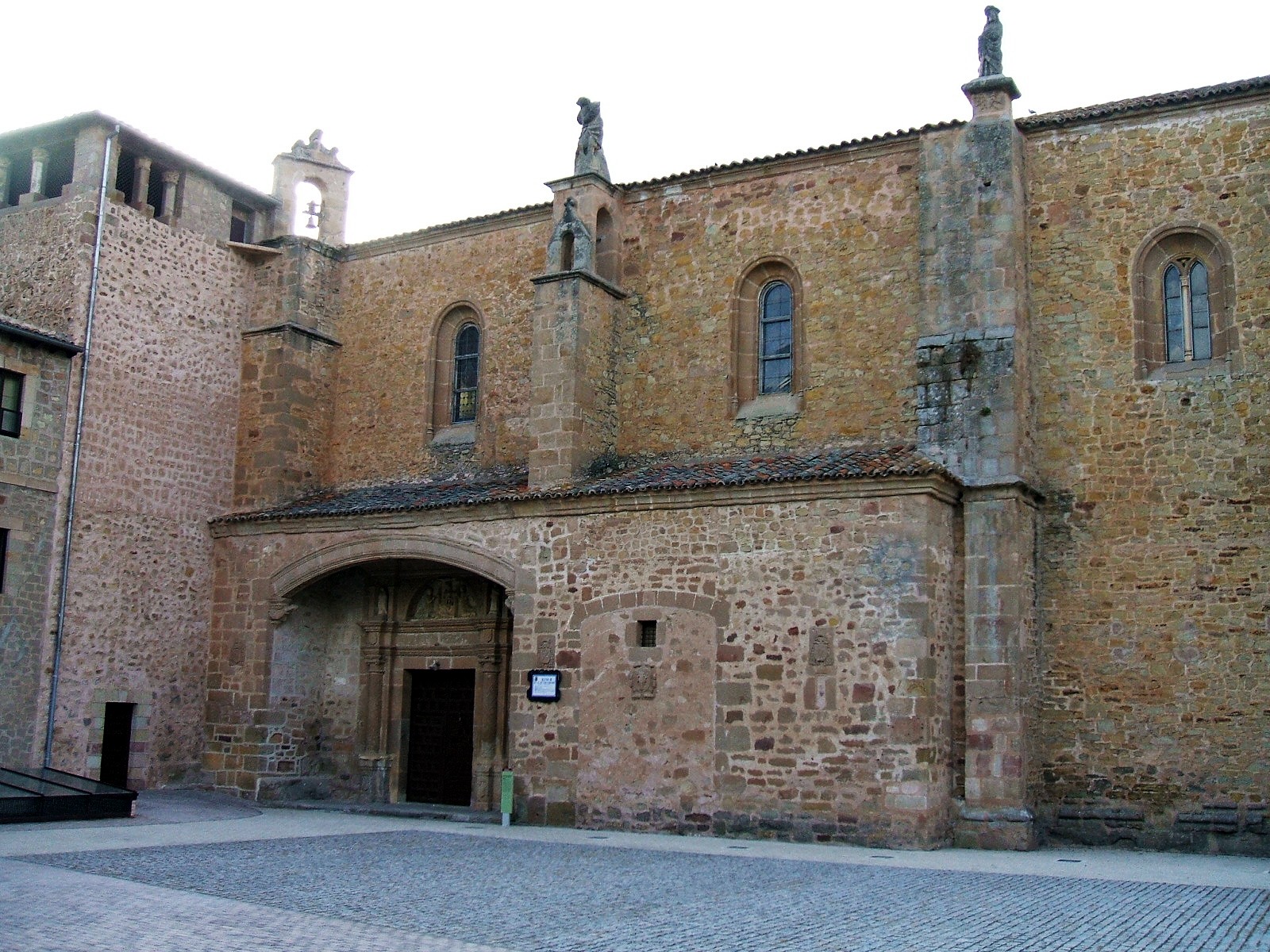
The Church of San Gil stands in Atienza, a fortified hilltop town in the province of Guadalajara, Castile-La Mancha, Spain. Once the parish church of the neighborhood that shares its name, the building has passed through several roles over the centuries before settling into its current one.
When was the church built?
The original Romanesque structure dates from the turn of the 12th and 13th centuries — some accounts place it in the late 1100s, others in the early 1200s. What survives most clearly from that era is the apse: a semicircular space lined with slender attached columns topped by capitals carved with vegetal motifs. This apse is the clearest surviving trace of the region's austere Romanesque style.
What will you see inside?
The floor plan follows a central nave flanked by two side aisles, closing at the Romanesque apse. In the 16th century the church underwent significant Renaissance-era changes: a bell tower was added, and the nave structure was expanded to three aisles. Despite these additions, the building kept its medieval skeleton intact — the newer elements were layered onto the older core rather than replacing it.
Today the interior houses Atienza's Museum of Religious Art. The collection includes more than thirty paintings, among them "The Annunciation" and "The Adoration of the Magi" by Matías Jimeno. Visitors can also see four panels attributed to Alonso Berruguete and a "Virgin of Bethlehem" by Juan de Juanes. This museum function is what draws most visitors to San Gil today, making it one of the more commonly visited stops in Atienza.
How do you get to the Church of San Gil?
Atienza sits in Guadalajara province, an easy drive from Madrid or from the city of Guadalajara itself. The town is small and entirely walkable, so once you arrive, finding the church is straightforward — it sits within the old San Gil quarter, inside Atienza's historic street layout.
When is the best time to visit?
Spring and early autumn are the most comfortable seasons, offering milder temperatures than the height of summer and lighter crowds than the peak holiday period. It is worth checking the museum's opening hours in advance, since they can vary seasonally.
Why is this church worth a stop?
San Gil carries two layers of history at once: a medieval religious building and a later working life as a grain warehouse before its conversion into a museum space. That shift in use makes it a telling example of how older churches in the region were repurposed over time without losing their architectural identity.
Frequently Asked Questions
When was the Church of San Gil built? Its original Romanesque core dates from the turn of the 12th and 13th centuries, visible today in the surviving apse with its carved capitals.
What is inside the church now? The building houses the Museum of Religious Art, with a collection of more than thirty paintings, including works by Matías Jimeno, Juan de Juanes, and panels attributed to Alonso Berruguete.
Has the building always served a religious purpose? No — it began as the parish church of the San Gil neighborhood, later served as a grain warehouse, and today operates as a museum.
What architectural details stand out? The Romanesque apse with vegetal-motif capitals, along with the Renaissance-era bell tower and the three-aisle nave layout added in the 16th century.
Nearby places

Earn badges for the places you visit
Download NextOnTrip, discover new places and check off your trails.