About this place
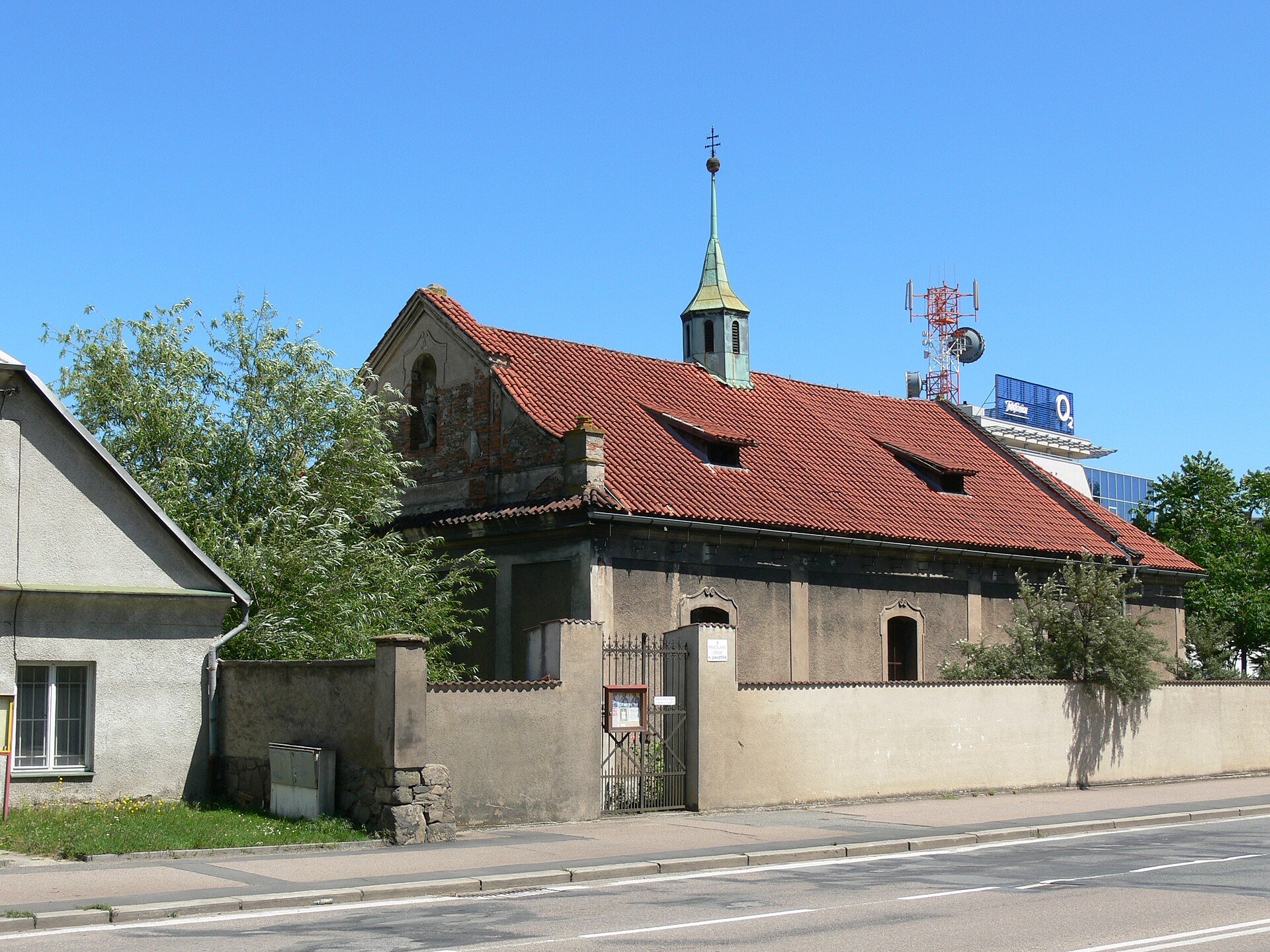
The Church of Saint Vitus stands in Zálabí, a district of Kolín on the northern bank of the Elbe river, on the site of a former village called Mnichovice that no longer exists. It's a small Roman Catholic filial church under the administration of the Kolín parish, protected as a cultural monument and carrying more than seven centuries of local history.
Why does a church stand where a village used to be?
The building's story begins shortly after 1300, though the first written record dates only to 1352, when the church served as the parish church of the village of Mnichovice. That village eventually disappeared, and today the church and its adjoining cemetery are the main reminders that it ever existed. The most likely builder was the Cistercian monastery in Sedlec, which held authority over the surrounding land, including Mnichovice, before the Hussite era.
How has the building changed over the centuries?
A turning point came in 1378, when the church underwent a major reconstruction — according to some accounts, an essentially new building was erected and attached to the sacristy that survived from the older structure. That sacristy remains the oldest preserved part of the whole complex today.
The church didn't escape disaster, though. In 1497 it was badly damaged by fire, and its repair in the late Gothic style only followed after 1516, funded by King Louis Jagiellon. The Thirty Years' War brought another setback, leaving the building neglected. It wasn't until 1683 that the church was expanded and fitted with new furnishings, restoring it to a dignified state. The last visible trace of these historical repairs is the tower's roof, replaced in 1771.
What else is there to see besides the church itself?
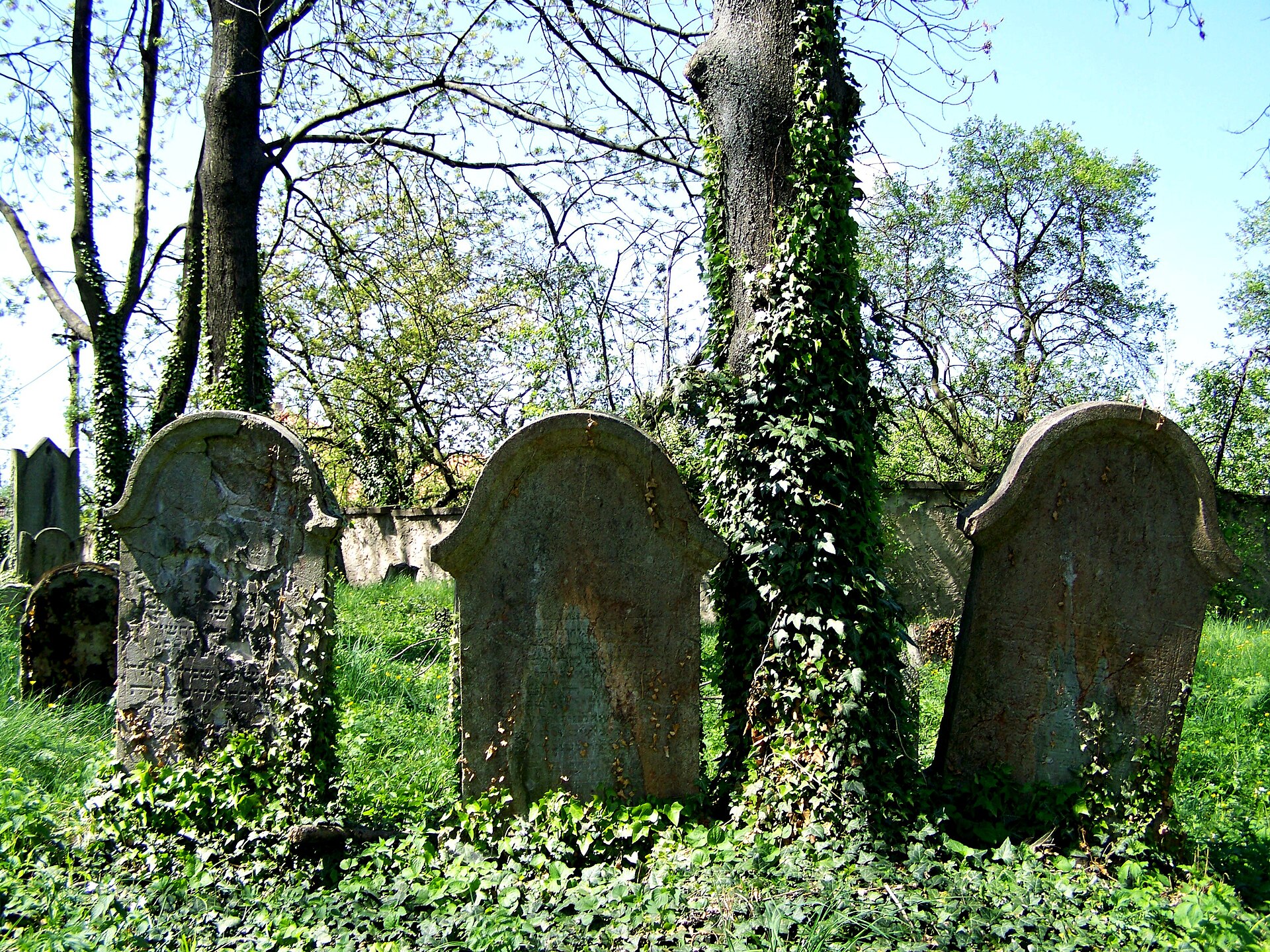
An inseparable part of the site is the churchyard cemetery, whose origins reach back to the Middle Ages. By the end of the 18th century it had become the main burial ground for the whole town of Kolín, a role it kept until 1882. Walking among the old gravestones, it's easy to sense the layers of history that have built up around this spot — from a forgotten medieval village, through royal-funded repairs, to a municipal cemetery retired more than a century ago.
How do you get there, and when is the best time to visit?
The church sits in the Zálabí district, across the Elbe from Kolín's historic centre, reachable on foot in about fifteen minutes, or by bike or local bus. It makes a good addition to a wider visit to Kolín — after seeing the Gothic Cathedral of Saint Bartholomew downtown, crossing the river to this quieter, less-visited corner of town is worth the short walk. As a filial church, its interior access is often limited to services and occasional events such as the Night of Churches, which is the easiest time to look inside.
Frequently asked questions
Is this the same Church of Saint Vitus as the famous cathedral in Prague? No. This is an entirely different, much more modest building — a filial church in Kolín's Zálabí district, not connected to the Prague cathedral that shares the same dedication.
What architectural style does the church represent? The building combines Gothic elements from its founding and the 1378 rebuild with late Gothic features added during the 16th-century repairs after the fire.
Can visitors walk through the cemetery next to the church? Yes, the historic churchyard cemetery is open to visitors and forms an integral part of the site, even though no burials have taken place there since 1882.
Is the church open to visitors every day? As a filial church, it's typically opened mainly for services and special events, so it's worth checking the local schedule before planning a visit.
Nearby places

Earn badges for the places you visit
Download NextOnTrip, discover new places and check off your trails.