About this place
The Church of Saint James the Greater stands on the southern edge of Ostrov in the Karlovy Vary Region, on the site of a 13th-century market settlement that predates the town itself. It ranks among the oldest surviving architectural monuments in Ostrov, a quiet witness to the earliest days of the settlement that later grew into today's town.
When was the church built?
The building went up between 1224 and 1226 as a late Romanesque parish church. It was consecrated almost immediately after construction finished, in 1226, on the feast day of Saint James the Elder. In its earliest years it served as the main parish church for the community that would eventually become Ostrov.
How did its role and appearance change over time?
Starting in the 16th century, the building stopped functioning as a parish church and became a cemetery chapel — a role it still holds today. In the early 17th century it was rebuilt in the early Baroque style, adapting the interior to new liturgical needs. A further significant repair followed in 1912. After 1945, the building was left largely unmaintained for decades, and its condition steadily deteriorated.
The turning point came in 2005, when the town of Ostrov began a systematic restoration. The work continued until 2010 and cost roughly eight million Czech crowns, more than half of which was covered by the municipality. The restored cemetery chapel was reconsecrated on the feast day of Saint James the Elder, in a ceremony led by Bishop Tomáš Holub.
What can you see inside and on the facade?
The church is a single-nave structure dating from 1224–1226, and its layers of history are still visible today. A recessed Romanesque portal survives from the original building phase — a distinctive detail that marks its 13th-century origin. Inside, an early Gothic vault was added after the initial consecration, reflecting the shift in architectural style that followed. Fragments of wall paintings from the Renaissance and early Baroque periods have also survived, evidence of the decorative work added in successive centuries.
Why is it worth a visit?
The Church of Saint James the Greater offers a rare chance to see nearly eight centuries of architectural history compressed into a single small building — from the Romanesque portal, through the Gothic vault, to Baroque and Renaissance decorative traces. It is also a story of local commitment to heritage: a building that faced decades of neglect after 1945 was brought back through a long, deliberate restoration rather than left to disappear.
Frequently asked questions
Where exactly is the church located? On the southern edge of Ostrov, in the Karlovy Vary Region, on the site of the medieval market settlement that preceded the founding of the town.
Is the church still used for religious purposes? Since the 16th century it has functioned as a cemetery chapel, and following the restoration completed in 2010 it is again used for funeral rites and occasional services.
What is the oldest surviving element of the building? The recessed Romanesque portal from the original 1224–1226 construction phase, the clearest physical evidence of the church's age.
When was the most recent major restoration carried out? Between 2005 and 2010, at a cost of around eight million Czech crowns, more than half of which was paid by the town of Ostrov.
Nearby places
-

Former synagogue (Brandýs nad Labem)
Brandýs nad Labem-Stará Boleslav
-
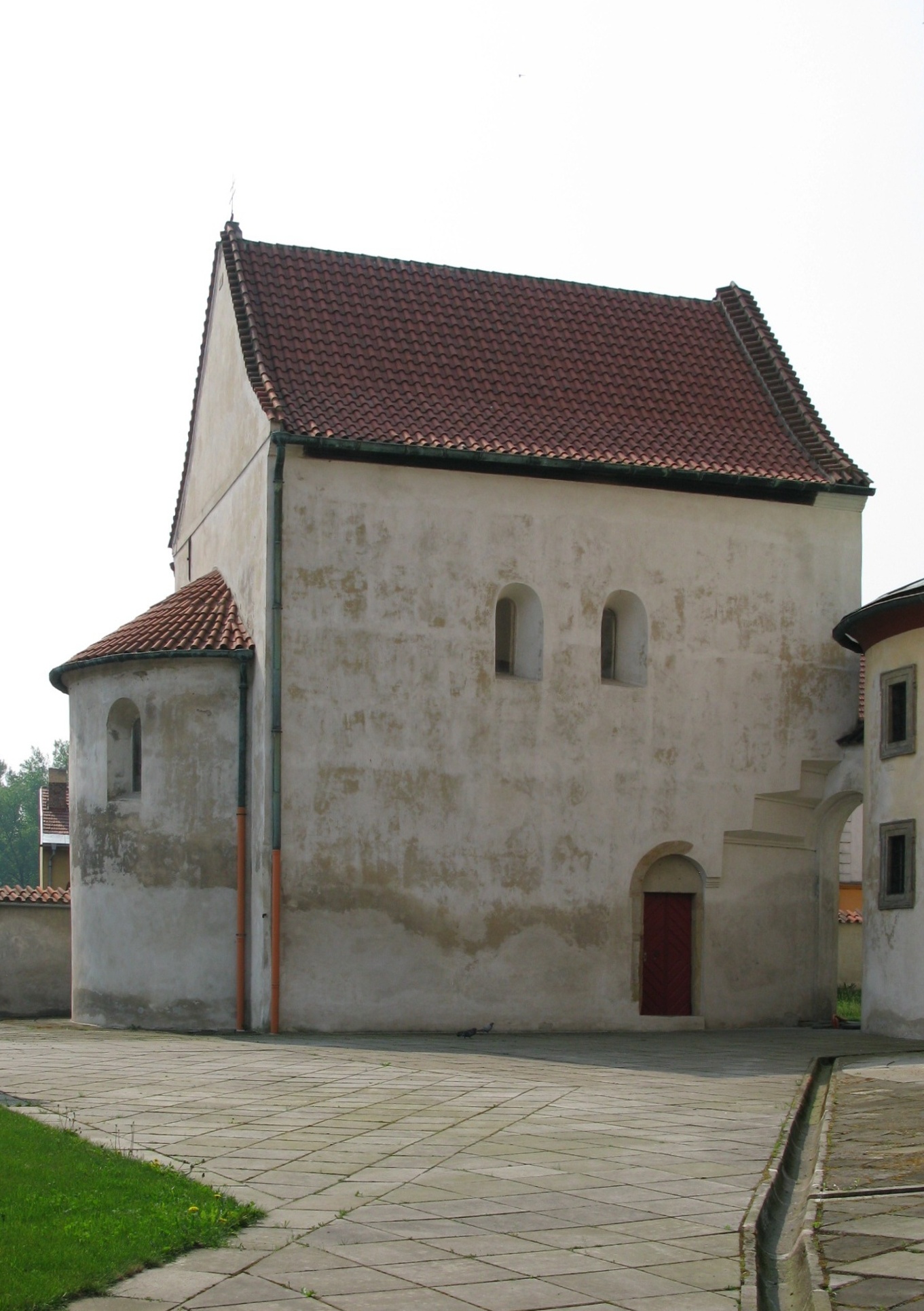
Church of Saint Clement (Stará Boleslav)
Brandýs nad Labem-Stará Boleslav
-
Church of Saint Wenceslaus (Stará Boleslav)
Brandýs nad Labem-Stará Boleslav
-
Cemetery in Brandýs nad Labem
Brandýs nad Labem-Stará Boleslav
-
Church of the Assumption of the Virgin Mary (Stará Boleslav)
Brandýs nad Labem-Stará Boleslav
-
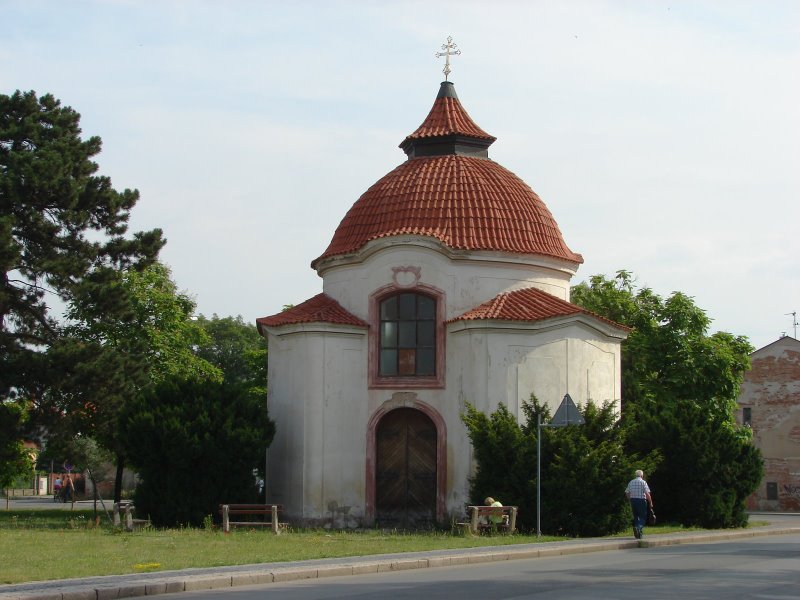
Chapel of Blessed Podiven
Brandýs nad Labem-Stará Boleslav
Earn badges for the places you visit
Download NextOnTrip, discover new places and check off your trails.