Save this place and discover nearby attractions with NextOnTrip
In the app you can add it to your favorites, see what else is worth visiting nearby on the map, and earn a badge for your visit.
The app is available for iPhone and Android.
About this place
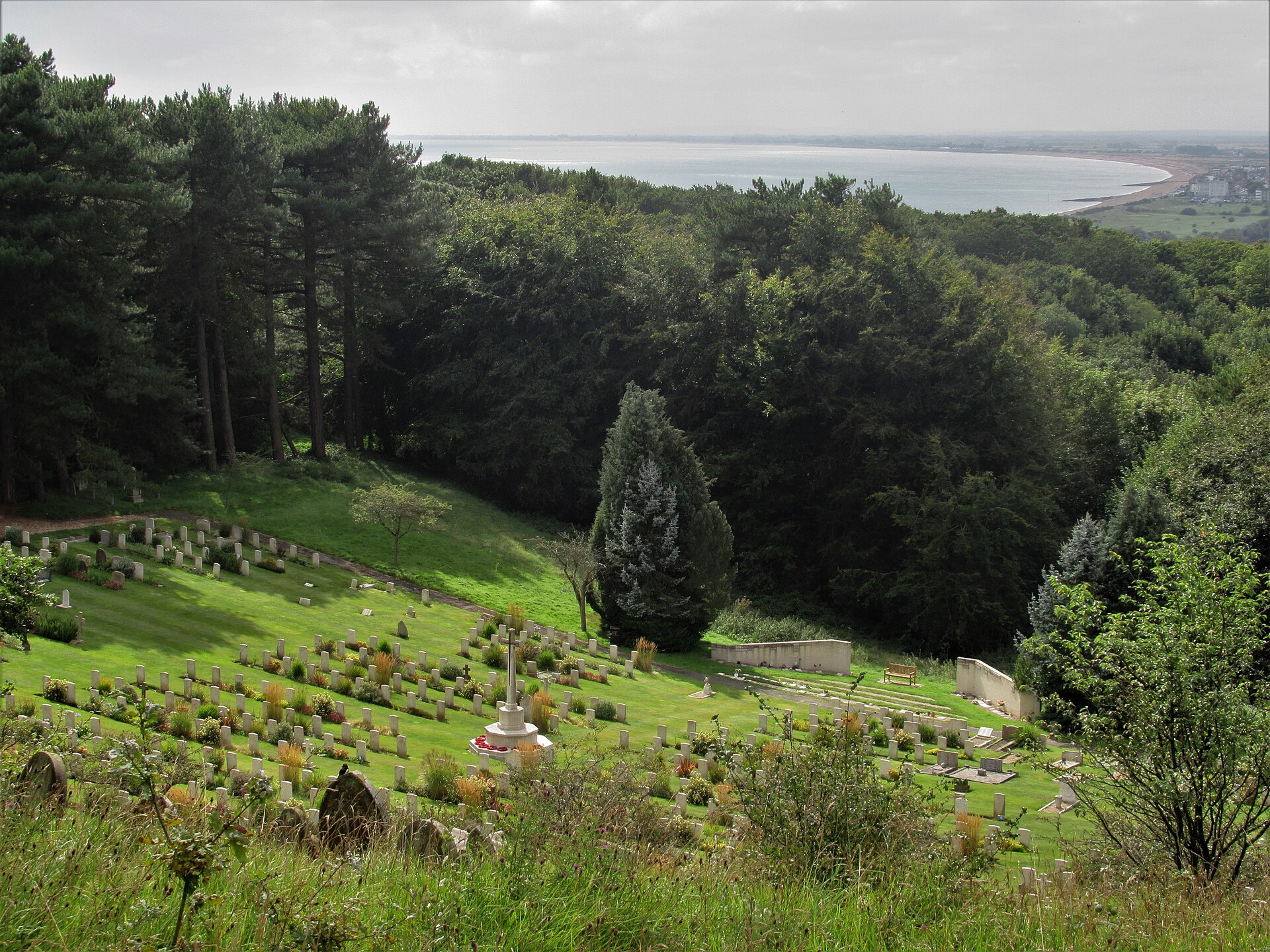
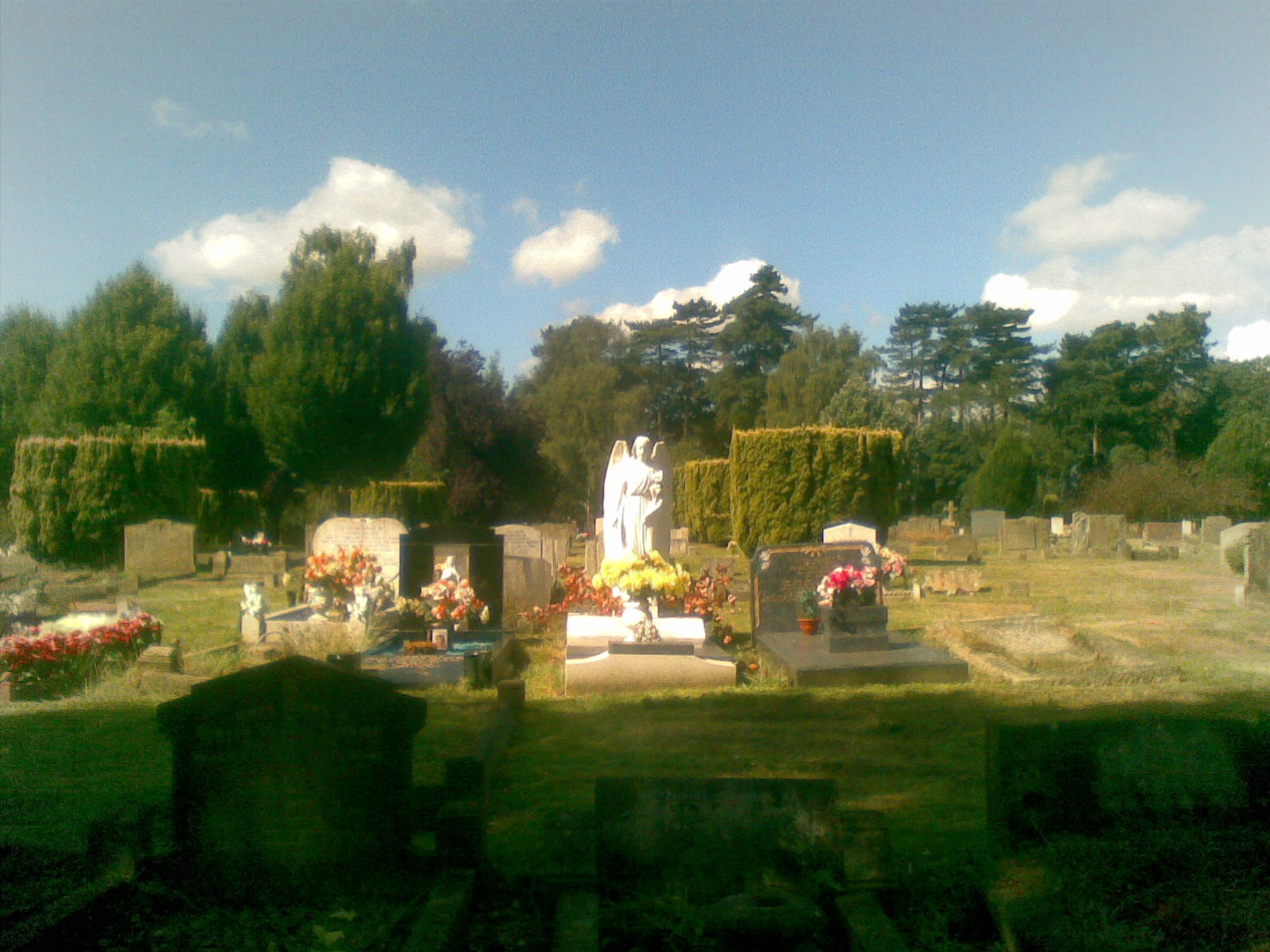
Cheriton Road Cemetery in Folkestone, Kent, is a Victorian burial ground better known locally as Folkestone Old Cemetery. Opened in the late 1850s on the edge of the town, it holds almost 15,000 graves and is today a quiet green space with a strong story to tell.
Why was Cheriton Road Cemetery created?
By the mid-19th century the churchyard of Folkestone's parish church was running out of room. A government inspector visited the town, a new site was proposed in 1855, and burials in the town churchyards were stopped from September 1857. The new cemetery beside Cheriton Road took its first burial around 1856–1857, even before the old churchyard formally closed, so sources differ slightly on the exact first date. Like many Victorian cemeteries, it was a public-health response as much as a place of remembrance.
What was the cemetery like originally?
The site was planned with a chapel at the main entrance and a mortuary at the rear. In 1891 it was extended to the east, which increased its capacity by roughly half. Burials are recorded in eight very large registers, a valuable resource for anyone tracing family history in Folkestone.
What happened to it in the 20th century?
Burials declined from about 1935. Over the following decades the grounds and buildings fell into disrepair, suffered vandalism, and the chapel was demolished in the 1960s. For a long time the cemetery was overgrown and neglected.
Who looks after it now?
The Friends of Old Folkestone Cemetery (FOFC) formed in 2016 to protect and promote the site. Volunteers have cleared undergrowth, restored headstones and identified war graves. The group also researches the people buried here and shares their stories through talks, articles and guided visits, including events linked with Folkestone Museum.
Who is buried at Cheriton Road Cemetery?
The cemetery reflects the everyday life of a Victorian seaside town, but it also includes some notable names:
- the artists Jessie Landseer and John James Wilson;
- the stained glass designer William Warrington, whose grave has no headstone;
- the poet Charles Calverley;
- Mary Pechey-Phipson, an early female doctor and one of the "Edinburgh Seven".
There are also war graves, and a Machine Gun Corps memorial is the focus of an annual Armistice Day service.
Why visit?
Visitors come for the atmosphere of an old cemetery, for headstone symbolism and Victorian craftsmanship, and for the human stories behind the names. It suits a slow walk, photography and local-history interest rather than a quick stop. Check the Friends' pages for event dates and guided walks before you go.
Frequently asked questions
When did Cheriton Road Cemetery open? In the late 1850s; the first burial was around 1856–1857 and town churchyards closed to burials from September 1857.
Is it the same as Folkestone Old Cemetery? Yes, that is the name commonly used by the local Friends group.
How many graves are there? Almost 15,000.
Can I find out about a relative buried here? Burial records are kept in eight large registers, and the Friends of Old Folkestone Cemetery research and publish local stories.
Is there a chapel? There was one at the entrance, but it was demolished in the 1960s.
Nearby places


Earn badges for the places you visit
Download NextOnTrip, discover new places and check off your trails.