About this place
Châteauvillain is a small commune in the Haute-Marne department, in the Grand Est region of north-eastern France, set along the banks of the Aujon river on the historic border between Champagne and Burgundy. The town's own name tells much of its story, and it's the best starting point for understanding the place.
Where does the name Châteauvillain come from?
The first part of the name comes from the Latin castellum, meaning "fortified place" or "castle" — a clear sign that the settlement was tied from its earliest days to defence and control of the surrounding land. The second part, "villain," might look like the French word for "rustic," but it actually preserves the name of the site's founder or an early owner. A medieval record from 1143, Castrum Rusticum super fluvium Augio, points to the Germanic name Willencus, a Latinised form of Wilhelm (William) — common in France during the 11th and 12th centuries. Read this way, Châteauvillain means, quite literally, "William's castle on the Aujon."
Where is Châteauvillain located?
The commune sits in the Haute-Marne department, part of the Grand Est region in eastern France, on the Aujon river, a tributary of the Marne. Access to water and river crossings shaped the town's early strategic and economic importance. The area lies right on the boundary between two historic French provinces, Champagne and Burgundy, making it a natural crossing point between the two. The nearest larger towns are Chaumont and Langres, both a short drive away, with Troyes further north and Dijon to the south.
What can you see around Châteauvillain?
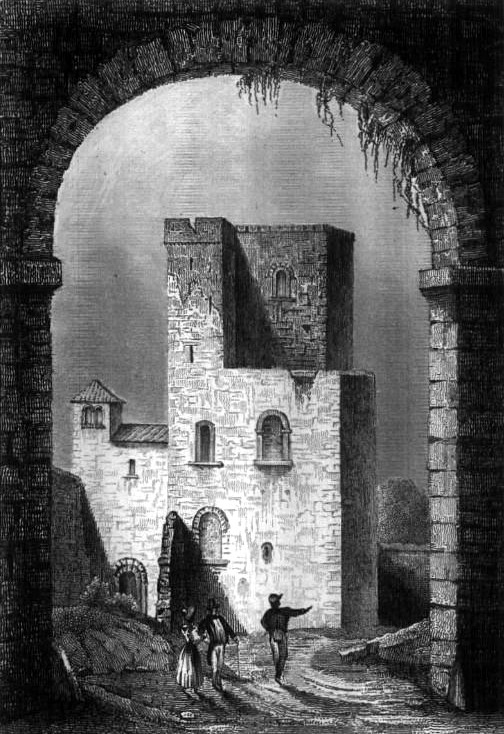
Châteauvillain still shows the layout typical of a fortified medieval settlement: a compact historic core, once enclosed by walls, with narrow streets running down toward the river. A walk along the Aujon reveals the quiet, rural character of the Haute-Marne countryside, an area that sees far less mass tourism than better-known parts of France — a real draw for travellers looking for an authentic slice of provincial life. Within the town, several historic building fragments recall its fortified past, including the structure locally known as the Tour du Jardin, which is covered separately as its own point of interest and worth a dedicated look.
How do you get to Châteauvillain?
The easiest way is by car, since the town sits along the roads connecting Chaumont and Langres, within easy reach of the main routes through the Grand Est region. Travellers coming from Paris will find it most convenient to take the train to Chaumont or Troyes and continue from there by car or local transport. The trip from Paris typically takes around two to three hours, depending on the route.
When is the best time to visit?
The Haute-Marne countryside is best visited from spring through early autumn, when the weather favours riverside walks and exploring the historic centre. Summer brings warmer days, though Châteauvillain keeps its calm, unhurried pace even then, far removed from the crowds found at more popular French destinations. Autumn adds a scenic palette to the Aujon valley, while winter draws mainly visitors with a specific interest in the region's history, in a quieter, off-season atmosphere.
Frequently asked questions
What does the name Châteauvillain mean? It combines the Latin castellum ("fortified place") with the name Willencus (William) — likely the founder or an owner of the original castle, as suggested by a 1143 record.
Which part of France is Châteauvillain in? It's in the Haute-Marne department, in the Grand Est region, on the border between Champagne and Burgundy.
How can you reach Châteauvillain without a car? The best option is to take the train to Chaumont or Troyes, then continue by local transport or taxi to the town.
Is there anything to see in Châteauvillain besides the village itself? Yes — the town includes a historic tower known as the Tour du Jardin, described as a separate attraction and worth visiting during a stay.
Nearby places

Earn badges for the places you visit
Download NextOnTrip, discover new places and check off your trails.