About this place
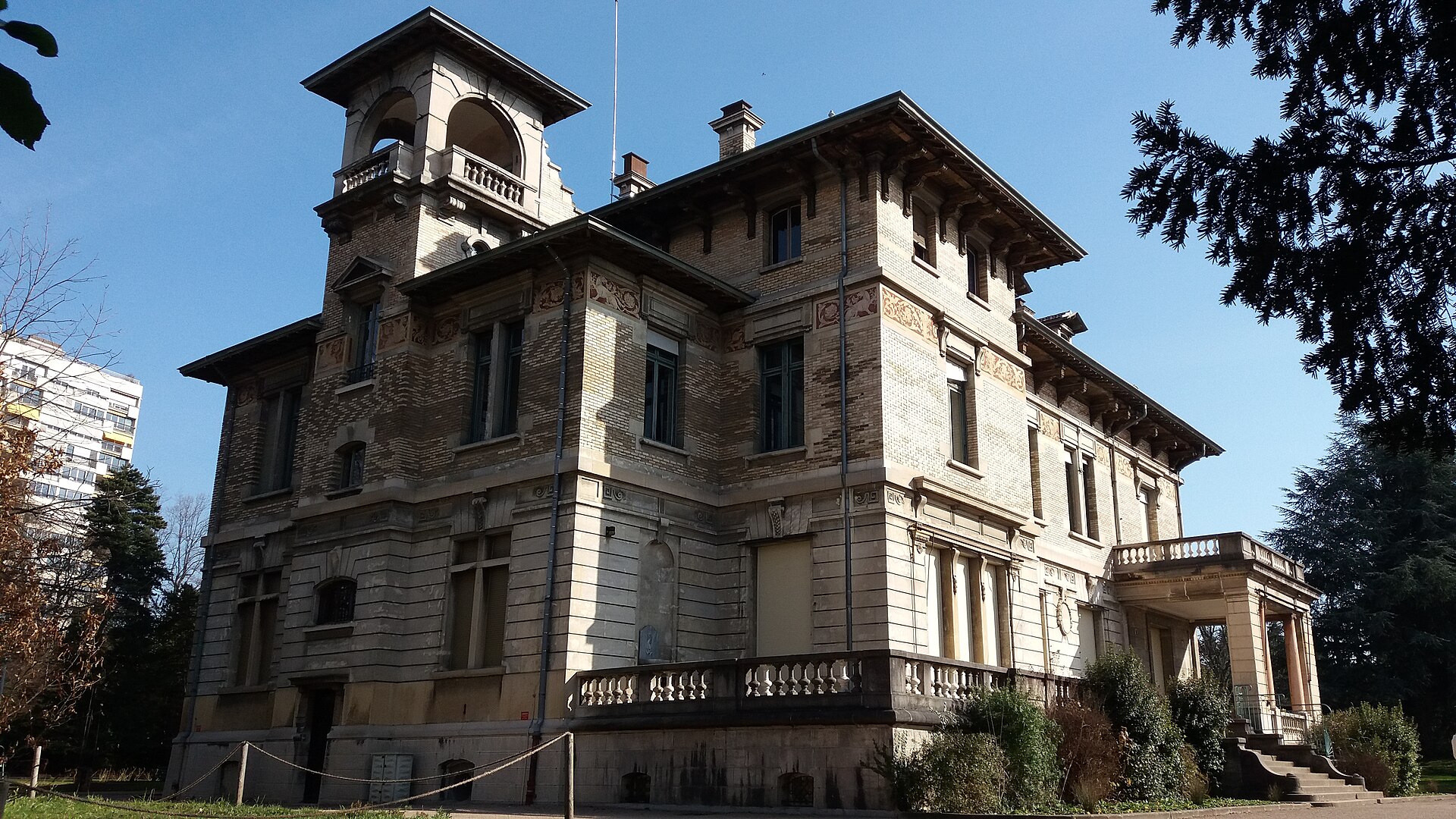
Château de la Rochette stands in Caluire-et-Cuire, a town bordering Lyon to the north, set on the Caille plain facing the Saône river and backed by the wooded hillside known as the Rochette woods.
Where does the name come from and what is its history?
Local tradition traces the name Rochette to a small rock on which the very first house here was built. The land once belonged to the Abbey of Ainay in Lyon, and in the 14th century the abbey's head, Jean II de la Palud (abbot from 1313 to 1324), had a fortified house built on the site, recorded in old documents as Domus de Cuereis. Between 1736 and 1769 the property passed into the hands of the Lyon consulat, the city's governing council, underlining its standing among local authorities of the time.
The building's story shifted in the 19th century. In 1816 a Mme Merlino sold the estate to the Misses Bayle and Gayet, and in 1825 it passed to Abbé Augustin Mayol de Lupé (1788–1860), who turned the château into a home for young girls known as a Providence and carried out major restoration and rebuilding work. From 1843 the sisters of the Holy Family took over the charitable work, and records from 1892 show the nuns still ran the house. Until 1956 the building operated as an orphanage and boarding house for the children of Saône and Rhône bargemen.
What is there to see today?
A new chapter began in 2016, when the former abbey of La Rochette was renovated by a property developer and converted into 50 residential units. The château no longer serves a religious or charitable purpose — today it is a residential complex, though it keeps the outward shape and character of the old monastic residence, set against the green hillside with views over the Saône valley. The setting itself is worth noticing: the quiet of the Caille plain and the closeness of the Rochette woods explain why generations of owners chose this spot.
How to get there and when to visit?
Caluire-et-Cuire sits right next to Lyon, so the easiest way in is by public transport from the city centre, followed by a short walk toward the Saône. Since the château is now private housing, the interior cannot be visited — the appeal lies in the building's exterior and in a walk through the surrounding area, particularly along the Saône riverbank and the paths of the Rochette woods. Spring and summer are the best seasons to come, when the hillside greenery and riverbanks look their best and a walk around the area is most rewarding.
Frequently asked questions
Can you visit the inside of Château de la Rochette? No — since 2016 the building has been a private residential complex with 50 units, so the interior is closed to visitors.
Where does the name come from? Tradition says it comes from a small rock on which the first house on the site was built.
Who built the original château? Jean II de la Palud, abbot of Ainay from 1313 to 1324, had a fortified house built here in the 14th century on land owned by the abbey.
What was the building used for in the 19th and 20th centuries? From 1825 it was a home for young girls, first run by Abbé Mayol de Lupé and from 1843 by the sisters of the Holy Family; until 1956 it served as an orphanage and boarding house for bargemen's children.
Nearby places

Earn badges for the places you visit
Download NextOnTrip, discover new places and check off your trails.