About this place
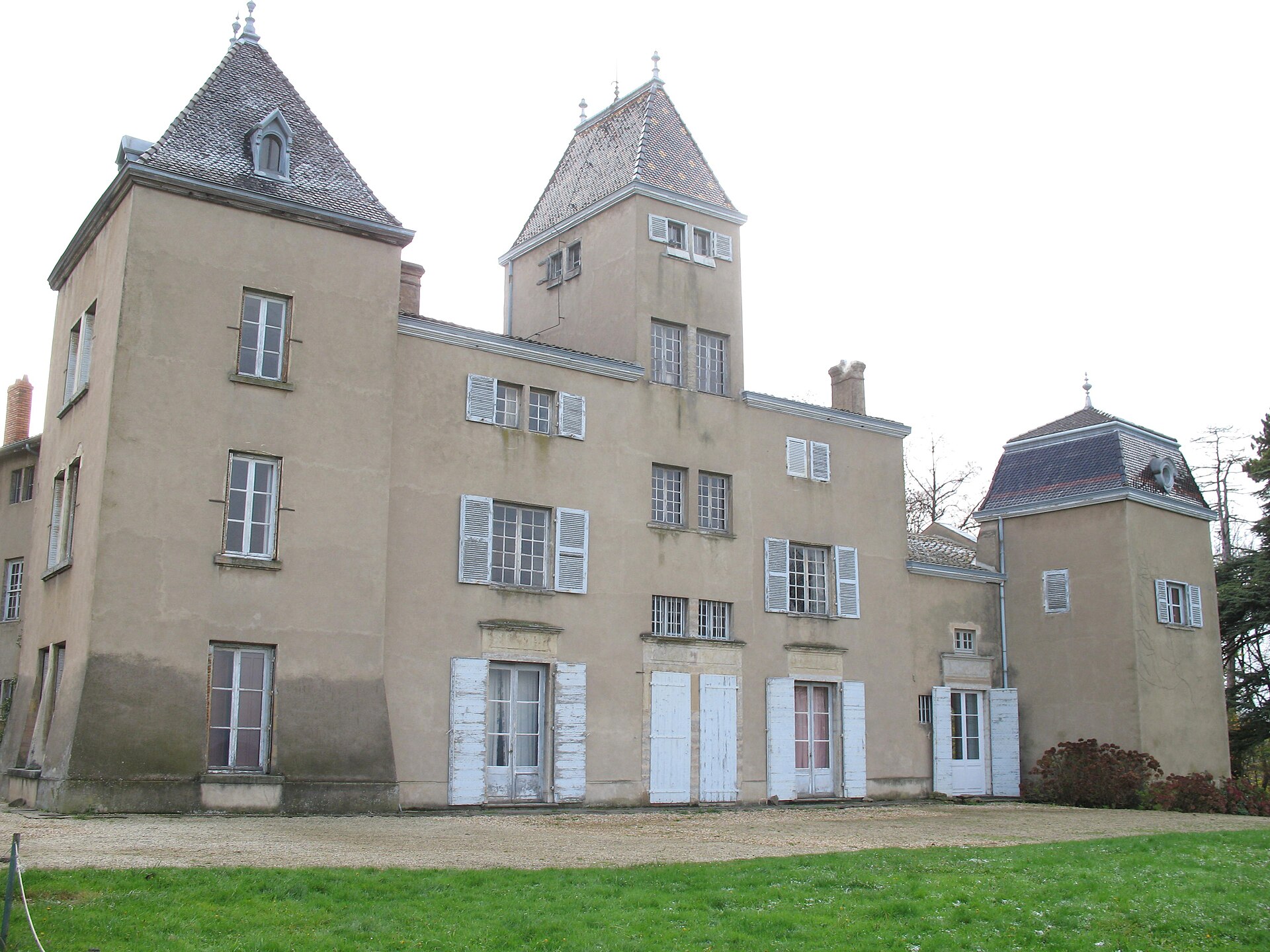
Château de La Bruyère, in the village of Saint-Bernard in the Ain department (Auvergne-Rhône-Alpes region), began its life as a Benedictine priory before being converted into a private manor house. The site has been listed as a French historic monument since 1997.
Where does the château come from?
The story starts in the 9th century, when a Benedictine priory was founded here, initially under the authority of Ambronay Abbey and later placed under the Metropolitan Chapter of Lyon. The community reached its peak in the 11th and 12th centuries, a period that also produced the oldest surviving parts of the complex. Over the following centuries the priory gradually declined, and by the 18th century it stood largely abandoned. In 1752 the estate was sold, and the former monastic buildings were turned into a private residence that became known as Château de La Bruyère.
What survives from the medieval priory?
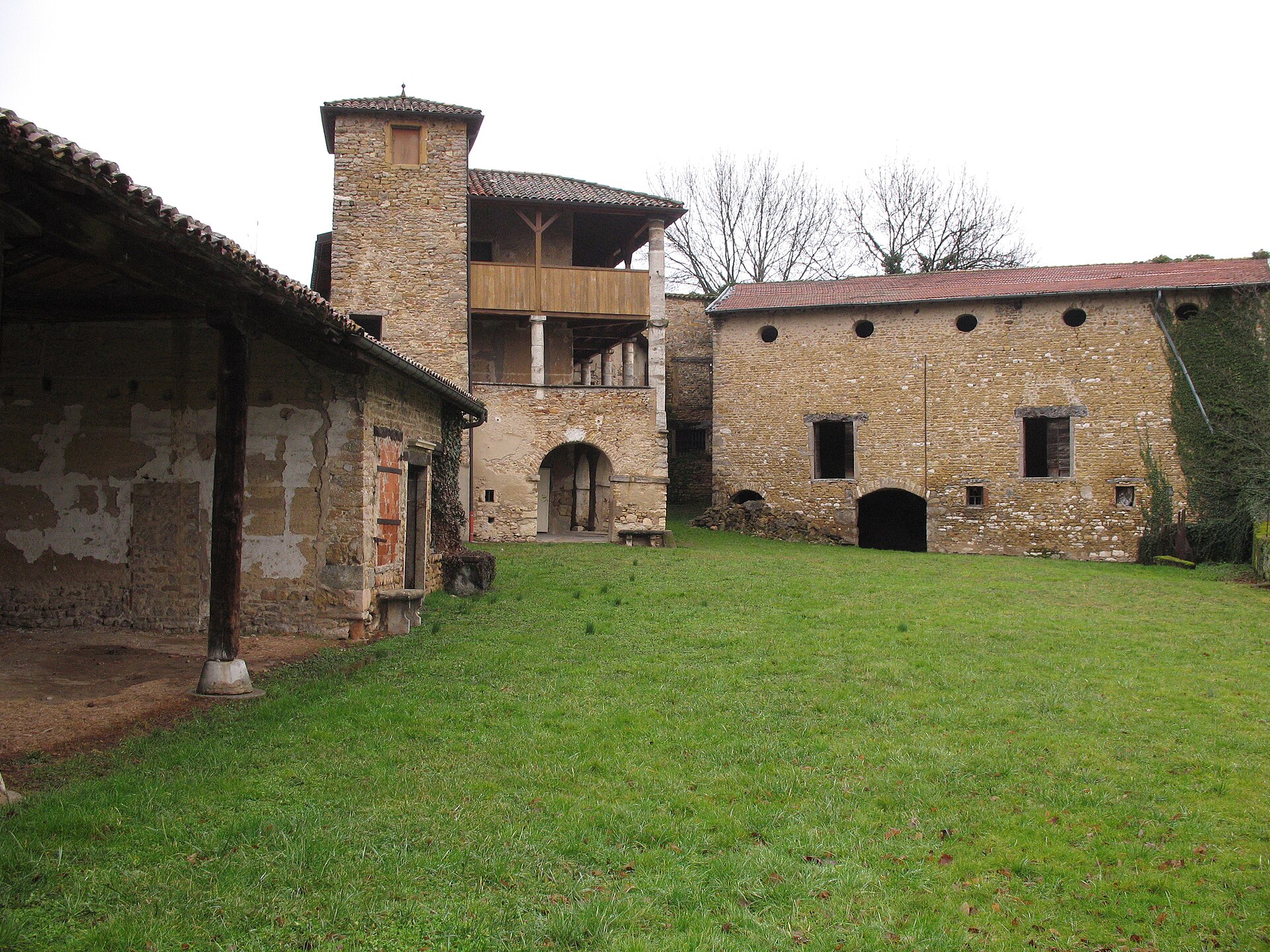
Despite the change of function, several medieval elements remain visible today: the western gallery of a 12th-century Romanesque cloister, remnants of the old priory church dating from the 12th to the 15th century, and the former prior's residence built in the 15th and 16th centuries. Later alterations, including work carried out in the 17th century, added further layers to the building. The result is a single property where traces of a Romanesque monastery, a late-medieval prior's house, and an 18th-century manor sit side by side.
The entire former priory complex, including its land and outbuildings, was registered as a monument historique by a decree dated 30 December 1997. Château de La Bruyère remains private property, so the interior is not routinely open to visitors — its main appeal for travelers is the layered architecture that can be admired from the outside, along with its place in the local heritage of Saint-Bernard.
How do you get there, and what's nearby?
The château stands in the centre of Saint-Bernard, a small commune in the Ain department. The wider area is known for its religious and manorial heritage connected to the former diocese of Lyon — fittingly, the priory here once answered to Ambronay Abbey, a site now also known for its baroque music festival.
When should you visit?
Because the building is privately owned, the best opportunity to see more than the exterior is during France's national heritage days (Journées du Patrimoine), when historic private properties are occasionally opened to the public. Outside of that, a walk around the village lets visitors take in the building's silhouette and setting.
Frequently Asked Questions
Can you visit Château de La Bruyère? It is private property, so regular access to the interior is not guaranteed; visits are sometimes possible during heritage open days.
Why is a former priory called a "château"? After the estate was sold in 1752 and lost its religious function, the buildings were converted into a secular residence that came to be known as a château, even though its origins lie in a Benedictine priory.
What is the oldest part of the building? The oldest surviving elements are the remains of the 12th-century Romanesque cloister and priory church.
Is the site legally protected? Yes — the entire former priory complex was listed as a monument historique by a decree of 30 December 1997.
Nearby places

Earn badges for the places you visit
Download NextOnTrip, discover new places and check off your trails.