About this place
Charles de Batz-Castelmore d'Artagnan is a name inseparable from Lupiac, a small village in the Gers department of southwestern France regarded as his birthplace. This is the origin point of the real man who became the model for the most famous musketeer in world literature.
Who was d'Artagnan?
Charles de Batz de Castelmore, later Count d'Artagnan, was a French-Occitan nobleman and soldier who lived from 1611 to 1673. He served Louis XIV as captain of the Musketeers of the Guard, the elite unit responsible for protecting the king. He died at the siege of Maastricht during the Franco-Dutch War, closing a long military career with loyal service that lasted until his death on the battlefield.
Why is Lupiac linked to d'Artagnan?
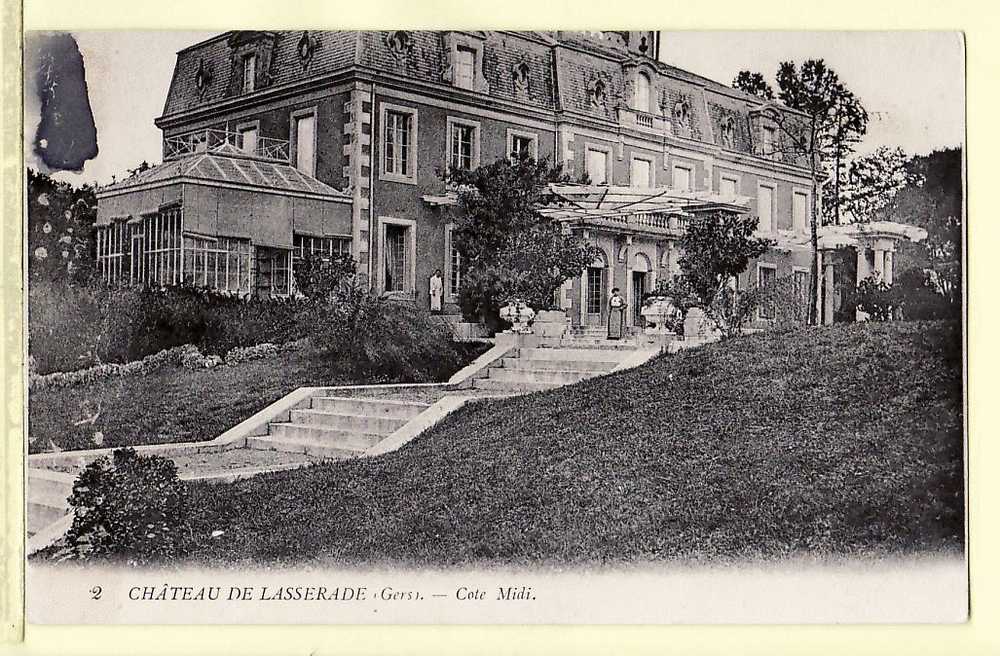
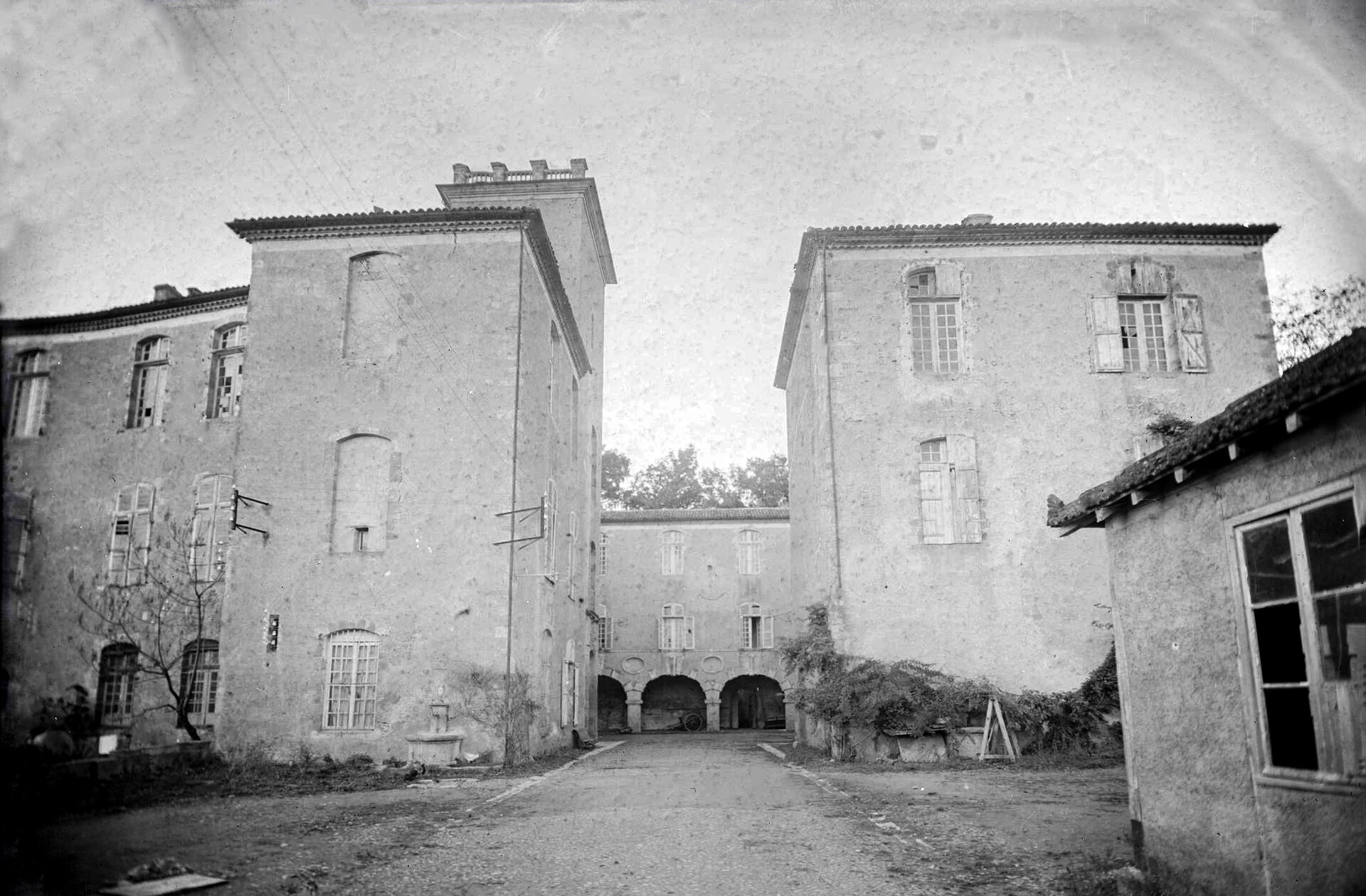
Lupiac sits at the heart of Gascony, a region famed for its fiery temperament and warrior nobility, the very milieu that produced the man behind the legend. It was here, on the family estate of Castelmore, that the future captain of the musketeers spent his childhood before leaving for Paris to seek his fortune at the royal court. For today's visitors, Lupiac serves as the starting point for tracing the roots of one of France's most recognisable historical figures.
Fiction versus reality
It is worth remembering that the popular image of d'Artagnan familiar from novels and screen adaptations differs considerably from historical fact. A fictionalised, embellished account of his life written by Gatien de Courtilz de Sandras became the basis for Alexandre Dumas' d'Artagnan Romances, most famously The Three Musketeers (1844). The dramatised version of the character is now far better known than the authentic historical figure, which makes a visit to Lupiac a chance to weigh the legend against the facts.
How to get to Lupiac?
Lupiac lies in the Gers department, within the Occitania region of southwestern France, in a quiet area off the main tourist routes. Arriving by car is by far the most practical option — the nearest larger towns in the region are Auch and Condom, from which local roads lead into the Gascon countryside. This is a destination for travellers who enjoy discovering lesser-known corners of France away from the crowds.
What can you see there?
The village itself has kept the character of a typical Gascon settlement, with stone houses, a quiet square, and views over surrounding farmland. It is this regional atmosphere, rather than large-scale attractions, that constitutes the main appeal here: the chance to walk in the footsteps of the man who inspired one of the world's most enduring literary heroes.
When is the best time to visit?
Spring and early autumn are the most rewarding seasons, when Gascon temperatures are mild and the surrounding landscape of hills, vineyards, and sunflower fields looks its best. Summers can turn quite hot, which is not always ideal for longer walks around the countryside.
Frequently asked questions
Did d'Artagnan really exist? Yes. Charles de Batz-Castelmore d'Artagnan was a genuine historical figure, captain of the Musketeers of the Guard under Louis XIV, who died at the siege of Maastricht in 1673.
How does the real d'Artagnan differ from the novel's hero? The literary portrait created by Alexandre Dumas draws on a partly fictional biography written by Gatien de Courtilz de Sandras rather than strict historical fact — the real d'Artagnan's career was less flamboyant, though equally long and dedicated to royal service.
Why is Lupiac specifically associated with d'Artagnan? It is the Gascon village linked to the family roots and childhood of the future musketeer captain, before he left for Paris to pursue a military career.
Is it worth combining a visit to Lupiac with other sights in the region? Yes — the surrounding Gers department, including Auch and Condom, offers classic Gascon landscapes, architecture, and cuisine, making it easy to fold Lupiac into a longer route through southwestern France.
Nearby places

Earn badges for the places you visit
Download NextOnTrip, discover new places and check off your trails.