About this place
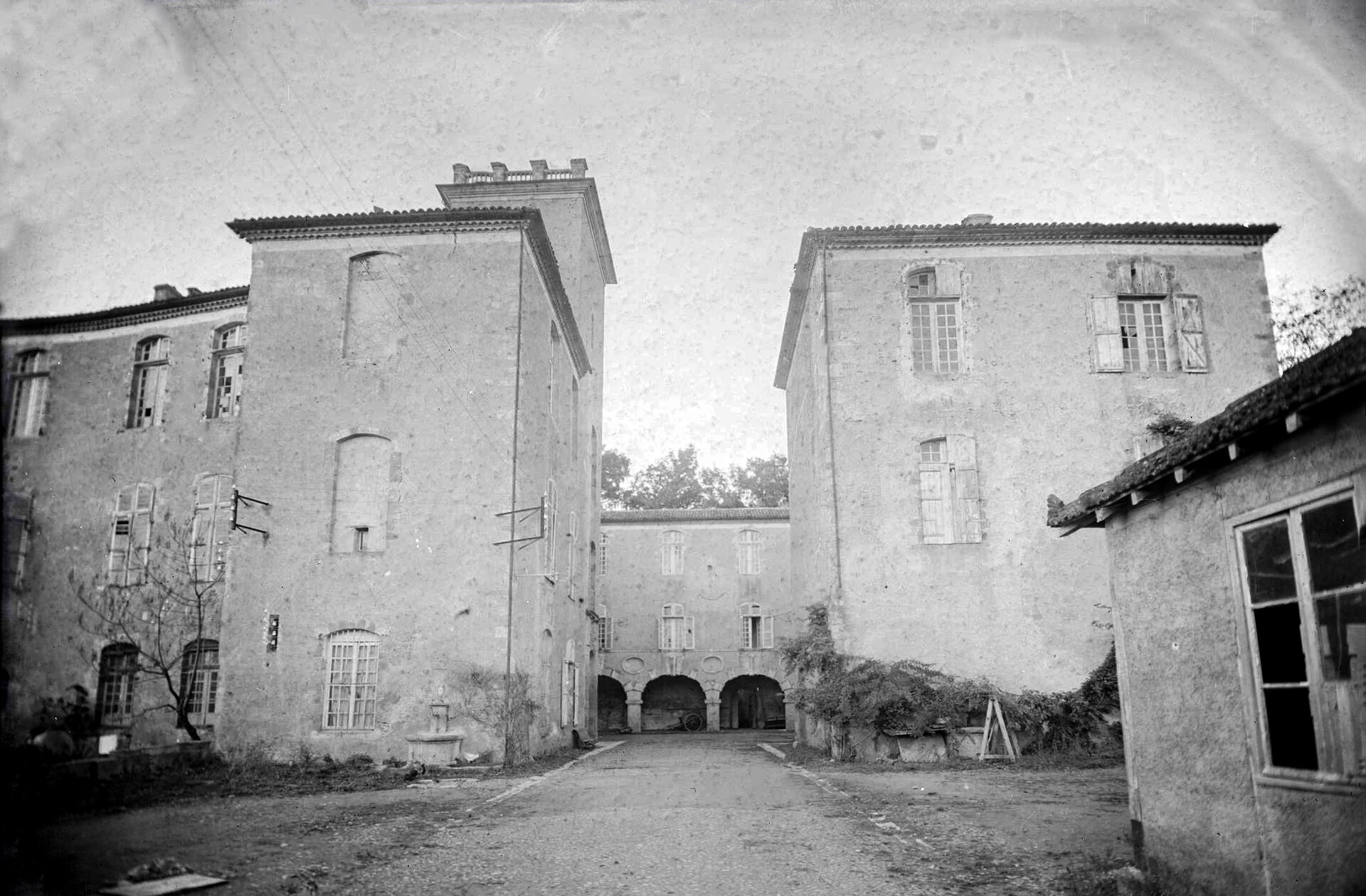
Château de Marignan is a country manor in Bars, a small village in the Gers department, set within the historic Astarac area a short drive from Mirande. Built in the 17th century, it was substantially reworked in the first half of the 18th century, and that later remodeling largely defines the building's current appearance.
How old is the château and what shaped its current look?
The core structure dates to the 1600s, but the version visitors encounter today owes much to an 18th-century renovation campaign that reorganized the main buildings around a central courtyard of honor. The estate long functioned as an agricultural seat for the surrounding countryside, and its economic weight carried well into the 19th century: in 1867, wines produced on the Marignan estate under the Haut-Armagnac designation were singled out as among the "great wines of France" at the Paris Universal Exposition, a distinction still cited when discussing the property's heritage.
Is Château de Marignan officially protected as a historic monument?
Yes. The estate is listed on the French heritage register under reference PA00094728, though protection applies selectively rather than to the entire property. Three separate listings cover different parts of the site:
- the facades and roofs of the three buildings enclosing the courtyard of honor, including the chapel;
- the perimeter wall and its entrance gate, registered by decree on 13 April 1988;
- the dovecote, classified by decree on 31 October 1991.
This layered protection reflects a broader French preservation approach: rather than blanket-protecting every structure, authorities single out the features judged most historically or architecturally significant.
Why is the dovecote worth a closer look?
The dovecote is arguably the most distinctive single structure on the estate. It has a hexagonal plan with round-arched arcades running along the interior, and a stone spiral staircase built into a central circular core that also carries the floor beams. The exterior walls are ringed twice by recessed, hollowed cornices — a practical detail meant to stop rodents and other pests from reaching the nesting cavities. A pyramid-shaped lantern on a square base tops the roof. Dovecotes of this scale were traditionally a marker of landowner status in pre-revolutionary France, since the right to build one, and its size, was tied to the owner's rank.
What's the surrounding area like for visitors?
Bars sits in the Astarac, a subregion of Gers known for rolling farmland, plane-tree-lined lanes, and a long-standing Armagnac winemaking tradition. Mirande, the nearest sizeable town, is a short drive away and makes a practical base for exploring the area. Travelers combining a stop here with other Gers countryside sights will find a landscape still shaped by vineyards and cereal farming, much as it was when the estate's wines earned recognition in the 19th century.
Frequently asked questions
Where exactly is Château de Marignan located? It stands in the commune of Bars, in the Gers department of the Occitanie region, within the historic Astarac area, close to the town of Mirande.
Is the château legally protected as a historic monument? Yes, under register number PA00094728. Protection covers the facades and roofs of the three buildings around the courtyard of honor (including the chapel), the perimeter wall and gate (listed in 1988), and the dovecote (listed in 1991).
What is the estate's most notable architectural feature? The hexagonal dovecote, with its stone spiral staircase, double rodent-guard cornices, and pyramid-topped lantern roof.
Does the estate have any notable history beyond its architecture? Yes. Its Haut-Armagnac wines were recognized among the great wines of France at the 1867 Paris Universal Exposition, underlining the estate's agricultural and commercial importance in the 19th century.
Nearby places

Earn badges for the places you visit
Download NextOnTrip, discover new places and check off your trails.