About this place
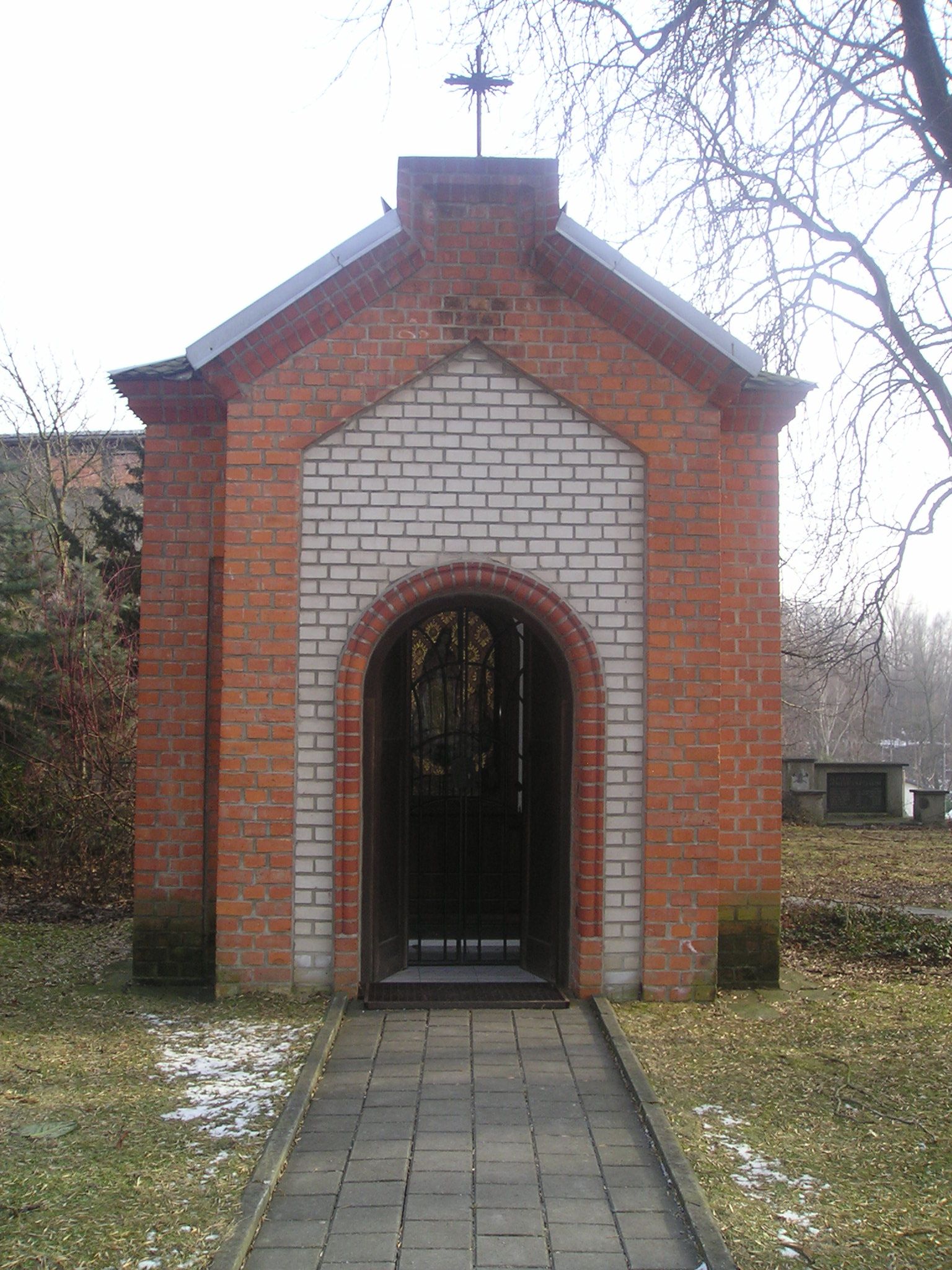
The Chapel of Saint Barbara is a small brick church that now stands within the grounds of the Mining Museum in the Petřkovice district of Ostrava. It looks unassuming, but its story touches on labor migration, the industrial rise of the region, and a community rescue that saved it from demolition.
Where is the chapel located?
The chapel stands in Petřkovice, in the north-western part of Ostrava, inside an open-air mining heritage site run as a branch of the Ostrava City Museum. The location combines historic mining equipment and structures with pieces of sacred architecture relocated here from elsewhere in the city. Getting there from central Ostrava takes roughly twenty to thirty minutes by car or public transport, and a visit to the chapel is best combined with a look around the rest of the museum grounds.
Why wasn't the chapel always here?
The building didn't start out in Petřkovice. It was originally erected in central Ostrava, near what is now Českobratrská Street, as a replacement for an earlier chapel that had been torn down to make way for the expansion of the Vítkovice ironworks. The design came from architect František Jureček, who gave the structure a form typical of late-19th-century industrial Art Nouveau — exposed, unplastered brick meant to echo the factory landscape surrounding it.
The chapel went up in the 1880s in direct response to a wave of labor migration. At the time, workers from Poland and Galicia were arriving in growing numbers to take jobs in Ostrava's steelworks and mines. The new chapel was built for them and dedicated to Our Lady of Częstochowa, a Marian image widely venerated in Poland — a deliberate gesture meant to give the newcomers a familiar point of devotion far from home.
How did it end up at the museum, and why the new patron saint?
The building's fortunes turned in the early 1990s. Decades of use had left it in poor condition, and city authorities at one point considered simply tearing it down. Members of the Friends of the Mining Museum Club stepped in instead: they had the chapel carefully dismantled piece by piece, transported, and reassembled on the open-air museum grounds in Petřkovice. That effort kept the building from disappearing from the city's landscape altogether, giving it both a new site and a new purpose.
The move also brought a change of patron. The interior was furnished with an original wooden carving of Saint Barbara taken from the Anselm mine — Barbara being the patron saint traditionally invoked by miners for protection underground. That statue is what determined the chapel's new dedication, replacing the earlier one to Our Lady of Częstochowa. The chapel was formally reconsecrated at its new location on December 4, 1993 — Saint Barbara's feast day, still marked by mining communities across the region.
What should visitors know before going?
Today the Chapel of Saint Barbara forms part of the wider tour through the Mining Museum in Petřkovice, alongside preserved mining machinery, ancillary buildings from former collieries, and other pieces of Ostrava's industrial heritage. Seeing the chapel itself doesn't take long, so it's best planned as one stop within a longer visit to the whole open-air site. Opening hours vary by season, so it's worth checking before setting out.
Frequently asked questions
Where did the Chapel of Saint Barbara originally stand? In central Ostrava, near today's Českobratrská Street, built as a replacement for an earlier chapel demolished to make room for the expanding Vítkovice ironworks.
Who was the chapel originally dedicated to? Our Lady of Częstochowa, chosen to serve the Polish and Galician workers who migrated to Ostrava in large numbers during the 19th century in search of industrial jobs.
Why was the chapel moved to Petřkovice? By the early 1990s the building had deteriorated badly and faced possible demolition. Members of the Friends of the Mining Museum Club saved it by dismantling and rebuilding it on the museum grounds.
Where does the current dedication to Saint Barbara come from? After the relocation, the interior received a wooden carving of Saint Barbara from the Anselm mine. As the patron saint of miners, she gave the chapel its new name, and it was reconsecrated on December 4, 1993.
Nearby places

Earn badges for the places you visit
Download NextOnTrip, discover new places and check off your trails.