About this place
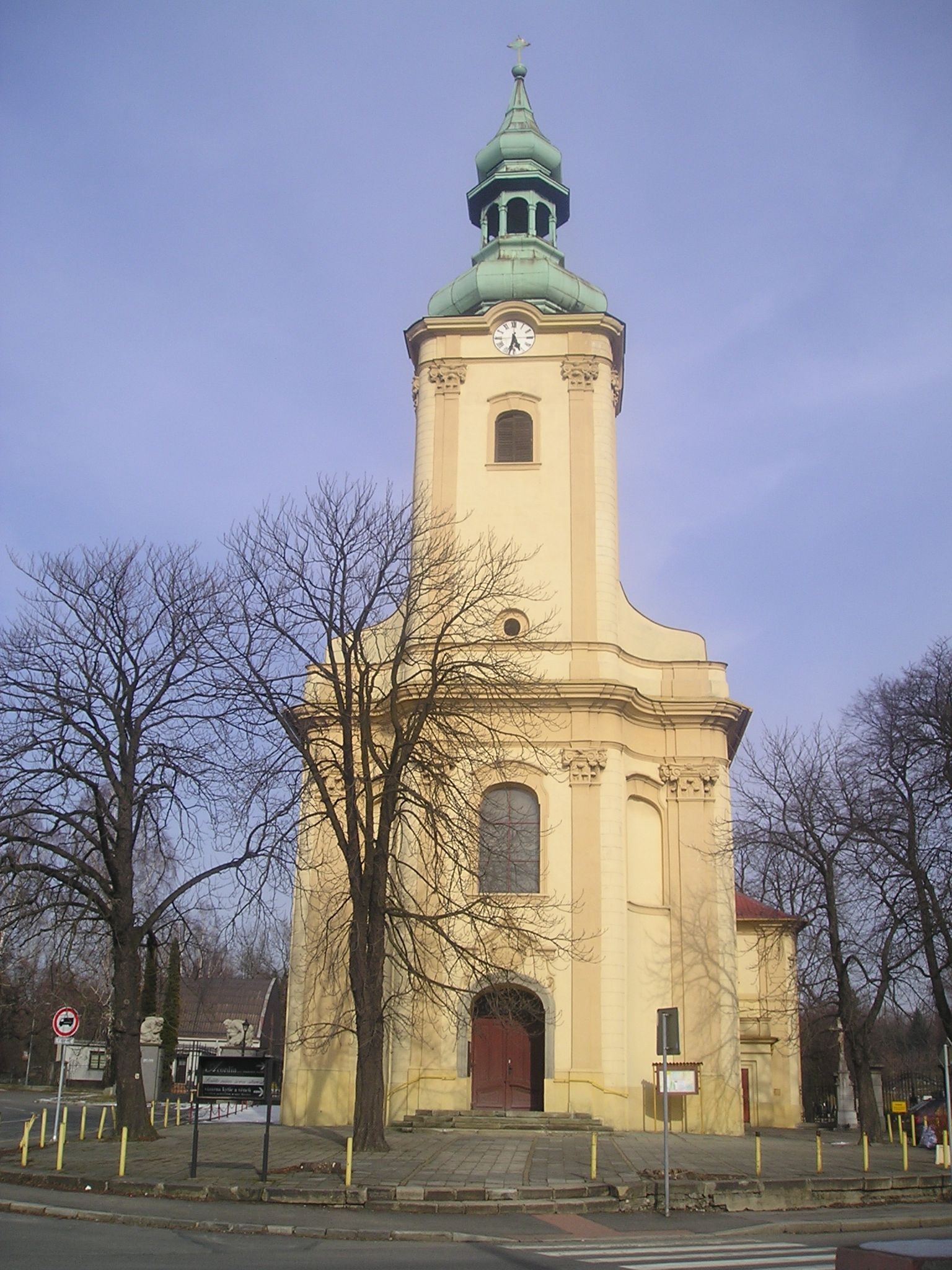
The Church of Saint Wenceslaus in Ostrava is the oldest surviving church in the city and one of the most valuable religious monuments in the region. It stands on the eastern edge of the historic core of Moravská Ostrava, and its present form — a Gothic tower topped with a Baroque onion dome above a three-aisled body with adjoining side chapels — is the result of centuries of rebuilding following disasters and changing tastes.
How old is the church?
The first church on this site was built in the second half of the 13th century as a single-aisled structure. Few direct records from that period survive, but a written mention of an Ostrava priest from 1297 is considered indirect evidence that a parish already existed here — making it one of the earliest documented references to the town itself. At the start of the 14th century, fire destroyed the original building. Reconstruction was completed around 1340, most likely during the reign of John of Luxembourg (1310–1346), and this Gothic building forms the core of the church that stands today.
How has its appearance changed over the centuries?
The tower was originally crowned with a Renaissance battlement, a common feature of fortified religious buildings of that era. Reconstructions carried out between 1803 and 1839 gave the tower its current, far more imposing shape: it was raised in height and capped with the Baroque onion dome that now makes it a recognizable landmark on the skyline of Moravská Ostrava. These 19th-century works largely defined the exterior appearance visitors see today.
What is inside the church?
The interior reflects several overlapping architectural periods. The Gothic structure of the three-aisled basilica with its side chapels coexists with Baroque and Classicist decoration added during later renovations. This layered character is often cited as an example of how medieval churches in this part of Silesia and northern Moravia were repeatedly adapted to the tastes of later centuries rather than being demolished and rebuilt from scratch.
What happened to the church in the 20th century?
The second half of the 20th century was a difficult period for the building: it fell into serious disrepair, and its condition at one point threatened partial collapse. The turnaround came in the 1990s, when a comprehensive restoration of the entire structure was carried out. Thanks to this work, the church regained its status as the oldest and one of the most valuable historic buildings in Moravská Ostrava — a position it still holds today.
Where exactly is the church located?
The church stands in the eastern part of the historic core of Moravská Ostrava, one of the districts that make up the present-day city of Ostrava. Its location within the old town makes it easy to combine a visit with other historic sites in this part of the city during a single walk.
Frequently asked questions
Is this really the oldest church in Ostrava? Yes, the Church of Saint Wenceslaus is considered the oldest surviving church in the city, with roots going back to the second half of the 13th century.
Where did the Baroque dome on the Gothic tower come from? The onion dome replaced an earlier Renaissance battlement on top of the tower during reconstructions carried out between 1803 and 1839.
Does the current building date back to medieval times? The core of today's structure was built around 1340, after the earlier church on the same site was destroyed by fire at the start of the 14th century.
Was the church ever at risk of being lost? Yes, in the second half of the 20th century the building fell into serious disrepair and was at risk of partial collapse before a full restoration was carried out in the 1990s.
Nearby places

Earn badges for the places you visit
Download NextOnTrip, discover new places and check off your trails.