About this place
Cave of Niño (Cueva del Niño) is a cave and archaeological site in the municipality of Aýna, in the province of Albacete, Castilla-La Mancha, Spain. It's a quieter stop for travelers interested in prehistoric heritage away from the region's better-known attractions.
What makes this cave significant?
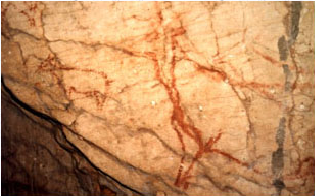
The cave holds a set of rock art paintings dating back to the Paleolithic period, and they are noted for being well preserved. That level of preservation is what sets Cueva del Niño apart from many other cave sites in the area and makes it a reference point for anyone interested in prehistoric art in the Albacete province.
Why is it a protected heritage site?
In 1997, the Cave of Niño was declared a Bien de Interés Cultural (BIC) — the highest legal category of heritage protection in Spain, reserved for sites of outstanding historical and cultural value. That designation means the cave and its rock art fall under strict conservation rules, and any intervention in or around the site requires approval from the relevant heritage authorities. For visitors, the BIC status is a clear indicator that this is a scientifically documented site, not just a scenic curiosity.
Where exactly is it located?
The cave sits within the municipality of Aýna, a small town in the mountainous eastern part of Albacete province. Aýna itself is worth a look — it's set in a rugged, ravine-cut landscape typical of this stretch of Castilla-La Mancha, with a rural, mountain character far from the region's larger cities. That makes it a good fit for travelers looking for a slower-paced, less crowded route through inland Spain.
What should you know before visiting?
Because of its protected status and the sensitivity of the paintings, access to caves like this one is often restricted or requires prior arrangement — it's worth checking locally, for instance at the tourist information office in Aýna, before building the visit into a fixed itinerary. The surrounding area is well suited to a longer walk: the hills around Aýna offer the kind of scenery typical of eastern Castilla-La Mancha, and visitors should plan on sturdy footwear, since reaching sites like this one usually means walking over uneven, rocky ground.
Frequently Asked Questions
Can visitors enter the cave on their own? Sites with protected rock art like this one often limit independent access to safeguard the paintings — check current rules locally in Aýna before you go.
What do the paintings depict? They form a well-preserved set of Paleolithic rock art; the precise imagery and subject matter are best confirmed through on-site archaeological information rather than assumed in advance.
Is it worth combining with a visit to Aýna itself? Yes — Aýna sits in a mountainous corner of Albacete province, and the town and its surrounding landscape make a natural complement to a stop at the cave.
Why does the Cave of Niño hold Bien de Interés Cultural status? Because of the historical and scientific value of its well-preserved Paleolithic paintings, a status granted in 1997 that carries Spain's highest level of legal heritage protection.
Nearby places

Earn badges for the places you visit
Download NextOnTrip, discover new places and check off your trails.