About this place
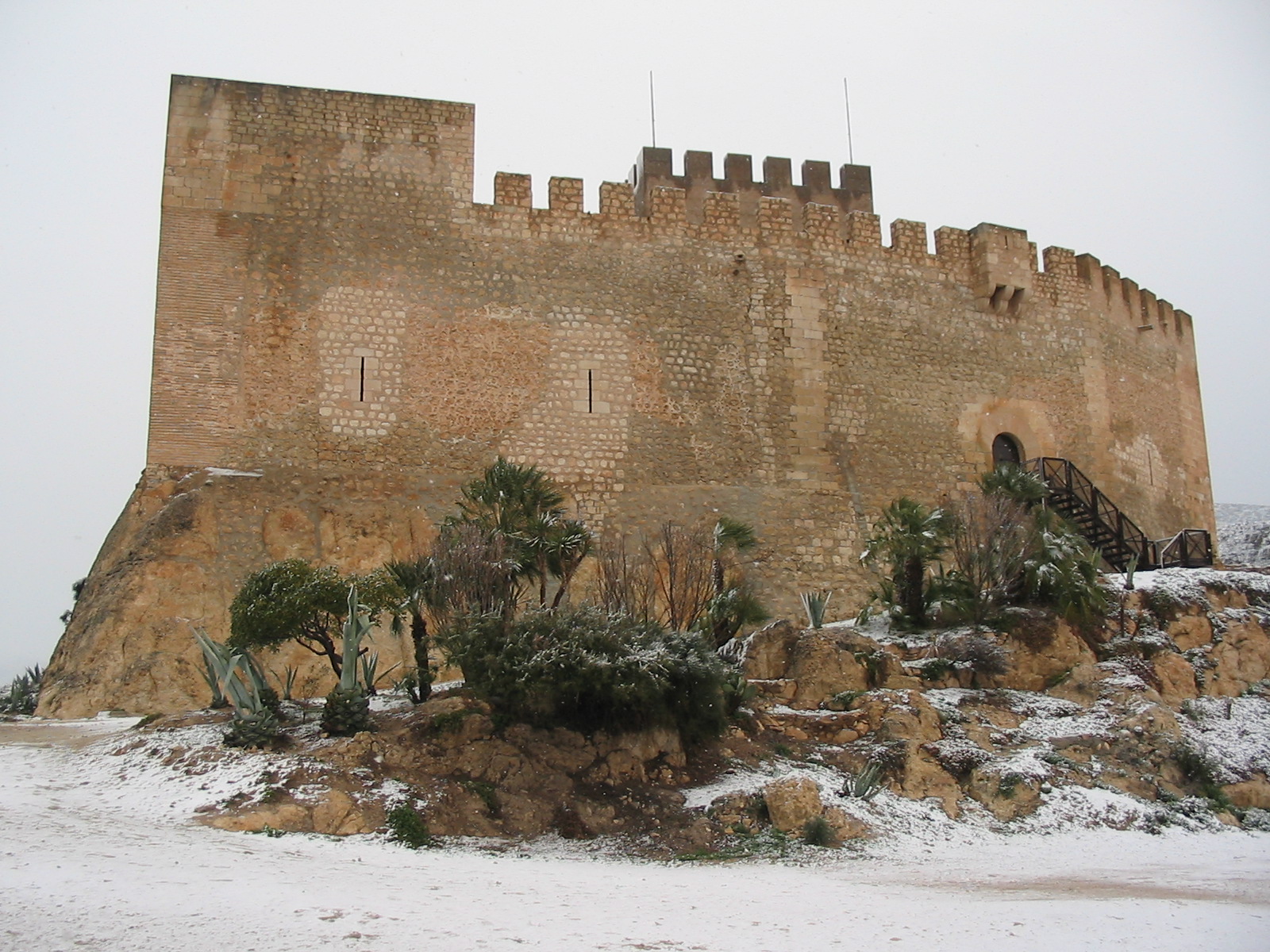
Castillo de Tibi is a ruined medieval hilltop fortress overlooking the village of Tibi, in the province of Alicante, in Spain's Valencian Community.
What is the history behind the castle?
Also known as Castillo de Atalaya, the fortress traces its origins to the 10th century, during the period of Muslim rule over the Iberian Peninsula, when it formed part of a chain of watchtowers and strongholds guarding the valley. Until 1240, the area around Tibi was under the Almohad ruler Zayt Abu Zayt, before the territory was taken by King James I of Aragon. Under the Treaty of Almizra in 1244, the castle at Tibi, together with the fortresses of Biar and Busot, marked the border between the Crown of Aragon and the Crown of Castile. James I later granted the lordship of Tibi to the Navarrese knight Pedro Sancho de Lienda and his wife, Ixoris de Soler. Ownership passed through several noble families over the following centuries until, by the mid-15th century, it fell to the Marquis of Villena, Juan Pacheco. During the War of the Spanish Succession, Tibi sided with Philip of Anjou, and the settlement was granted the status of villa in 1705.
What can you see on site?
Only part of the original fortress, which once covered the entire hilltop, survives today: sections of defensive wall and a rectangular tower believed to be the remains of the keep. Conservation work has stabilized the ruins, making them safer to explore and easier to interpret for visitors. From the summit, wide views stretch across the Carrasqueta mountain range, the Tibi reservoir below, and the narrow streets of the village itself.
How do you get there?
Tibi lies inland in the province of Alicante, at the foot of the Carrasqueta range. The castle rises directly above the old town, so reaching the ruins usually means a short but steep walk up from the village center. It's worth checking with the local tourist office (tibi.es) before visiting, since access to the ruins can vary depending on the season and ongoing conservation work.
What else is worth seeing nearby?
Just below the castle lies the Pantano de Tibi, a dam on the Montnegre river considered one of the oldest dams still in operation anywhere in the world. Pairing a visit to the castle with a walk along the reservoir and a stroll through Tibi's old town, which climbs the hillside in narrow terraces, makes for a natural half-day itinerary. The village also holds local festivities throughout the year, including the Fiestas de Tibi.
When is the best time to visit?
Given the steep approach and the lack of shade among the ruins, spring and autumn are the most comfortable seasons, since inland Alicante temperatures run noticeably higher in midsummer. Morning visits also offer the clearest light for photographing the valley and reservoir views.
Frequently Asked Questions
Is there an entrance fee for Castillo de Tibi? The castle is an open-access ruin; check with the local tourist office ahead of your visit for the latest details on access.
How long does a visit take? Given the modest size of the surviving ruins, exploring the hilltop itself usually takes 30 to 60 minutes, not counting the walk up.
Can it be combined with another attraction? Yes — the historic Pantano de Tibi dam sits at the foot of the hill and is easy to visit on the same day.
Is the walk up to the castle difficult? The climb is short but steep, so comfortable footwear is recommended, and visitors with limited mobility should expect a challenging approach.
Nearby places

Earn badges for the places you visit
Download NextOnTrip, discover new places and check off your trails.