About this place
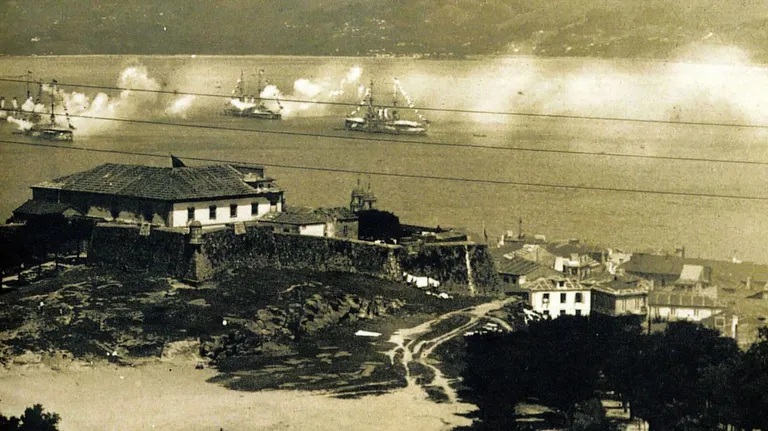
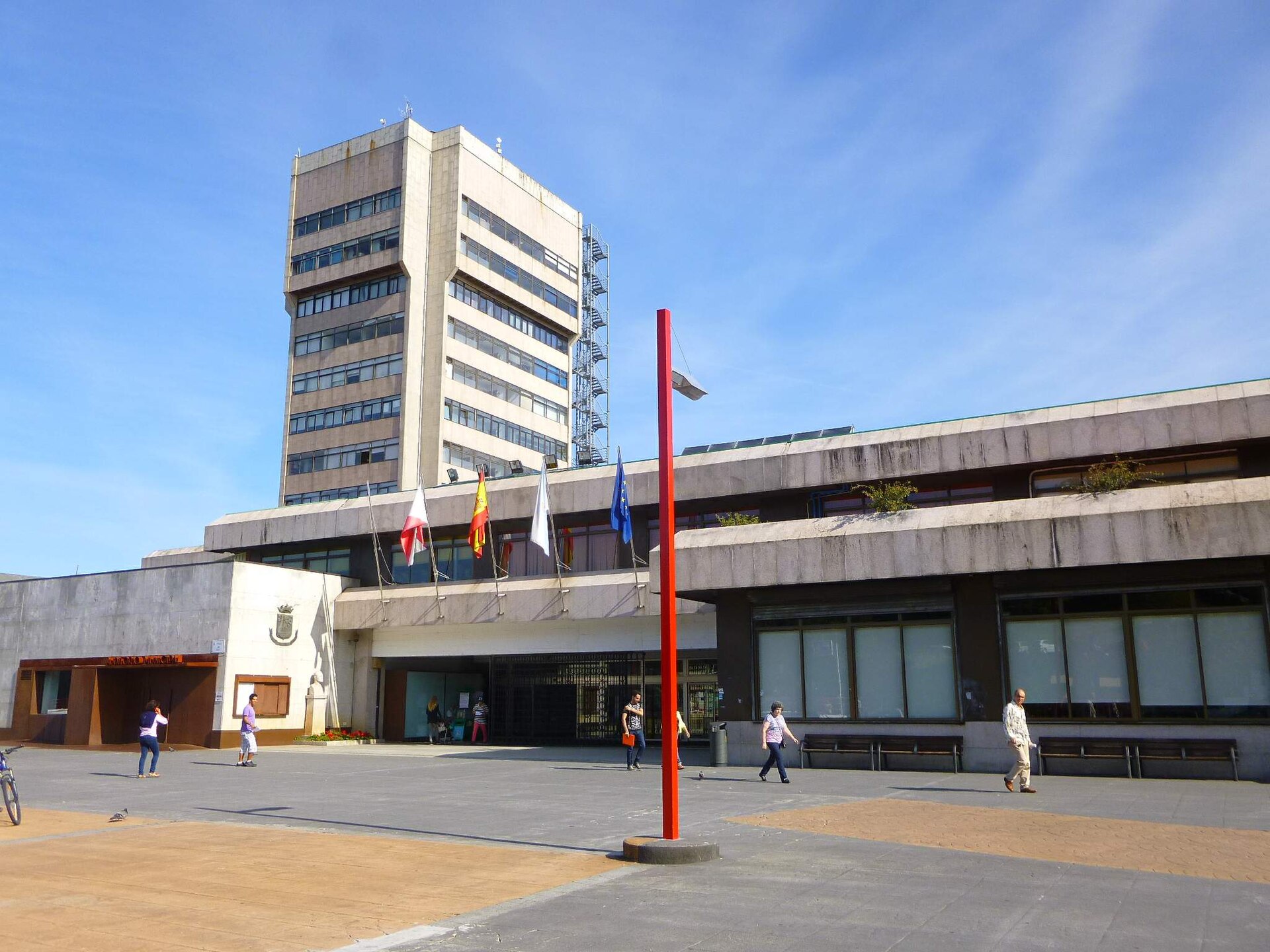
Castillo de San Sebastián stands in Vigo, on the highest ground of the city's old town, right behind today's town hall.
When was the castle built and why?
The fortress went up in 1656, during the reign of Philip IV, at the same time the town of Vigo was being enclosed by defensive walls. Its purpose was straightforward: keep English and Portuguese fleets, a recurring threat along the Galician coast, from taking the town. The engineer behind the design was Juan de Villarroel y Prado, who also planned the nearby Castro Fortress.
What shape did the original structure take?
Builders laid the castle out on a plan close to a six-pointed star, the standard geometry for bastioned fortifications of the period, designed to give defenders overlapping lines of fire along every wall. It occupied the southern edge of town, on its highest point, with views covering the bay and any approach from the sea.
What happened after the English attack?
In 1719, English forces stormed and took Vigo, leaving the Castillo de San Sebastián in ruins. From that point on, the Castro Fortress took over as the town's main line of defense, and the castle lost its military role. The abandoned site was put to a far humbler use afterward — grazing livestock.
How did its use change over the following centuries?
During the nineteenth century, the former stronghold was converted into a hospital, a change that altered much of its internal layout. It then served as a military barracks until 1964, when ownership passed to Vigo's town council, closing out a long stretch of military and institutional use.
What survives of the castle today?
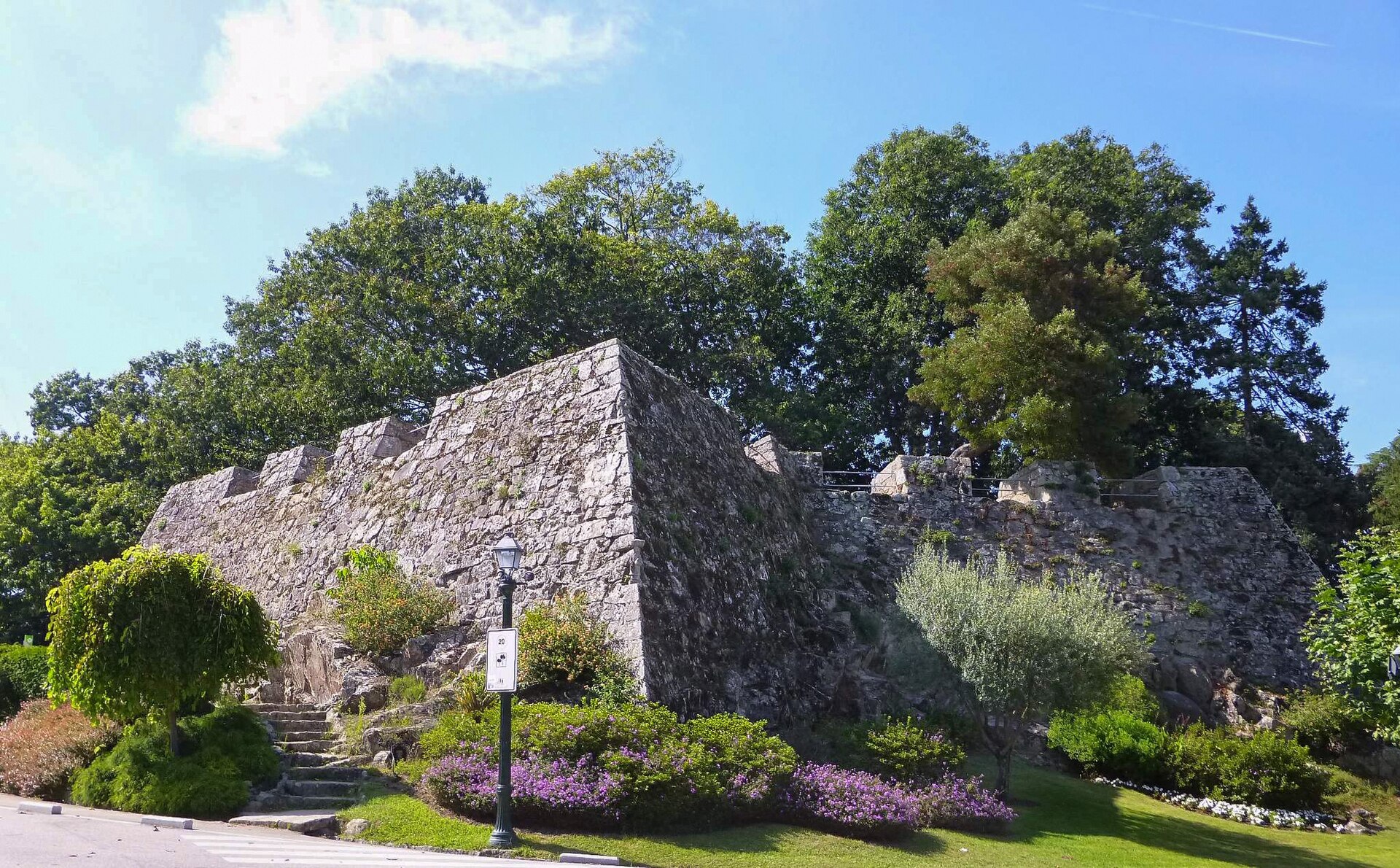
Only a modest piece of the original fortress remains: the north wall with its two sentry boxes. The rest of the layout, including one bastion and two half-bastions, was torn down to make room for Vigo's town hall building. It's in that immediate area, just behind the town hall, that the surviving stretch of defensive wall can still be seen.
Why is it worth a stop while visiting Vigo?
Little survives of the original fortification, but the site traces Vigo's defensive history across four centuries — from a stronghold built against English and Portuguese fleets, through ruin, hospital use, and military barracks, to its current role tied to the town hall. Walking around the town hall walls offers a rare, genuine glimpse of early modern Galician military architecture right in the city center.
Frequently Asked Questions
When was the Castillo de San Sebastián in Vigo built? The fortress was built in 1656, under Philip IV, alongside the walls that were enclosing Vigo at the time.
Who designed the castle? The fortification was designed by engineer Juan de Villarroel y Prado, who was also responsible for the nearby Castro Fortress.
What happened to the castle after 1719? English forces sacked Vigo that year, leaving the castle in ruins; it lost its defensive role to the Castro Fortress and was later used for grazing livestock.
Does anything remain of the castle today? Yes — a stretch of the north wall with two sentry boxes still stands just behind Vigo's town hall; the rest was demolished to build that structure.
Nearby places

Earn badges for the places you visit
Download NextOnTrip, discover new places and check off your trails.