About this place
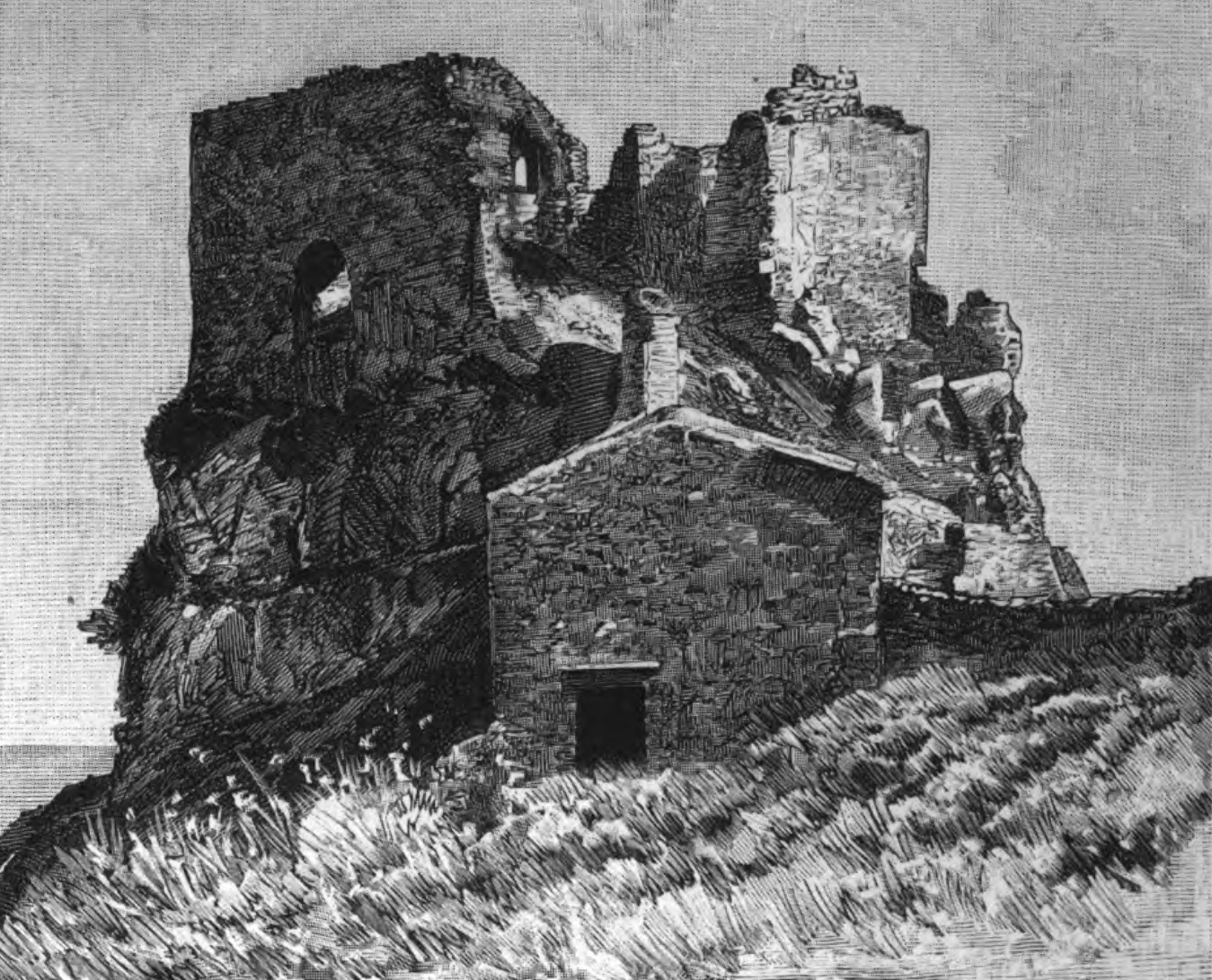
Castillo de Allendelagua (also known as Castillo de San Antón) is a medieval fortification in the village of Allendelagua, part of the municipality of Castro-Urdiales in Cantabria, Spain. Perched on a rocky hilltop above the coast, the ruins today are little more than fragments of wall foundations scattered among boulders — yet the site still draws history enthusiasts and coastal walkers alike.
What is this place?
The castle was built between the 14th and 15th centuries as a watchtower guarding the shoreline against threats from the sea. Historians believe it may also have served a devotional role, offering protection to pilgrims walking the coastal branch of the Camino de Santiago. The dedication to San Antón supports this second theory.
The Templar legend — fact or fiction?
Local legend credits the Knights Templar with building the fortress, but the timeline rules this out entirely. The Templar order was dissolved in 1312, while the castle's construction dates to the 14th and 15th centuries — well after the order had ceased to exist. Castle scholars reject the Templar connection outright, citing a complete lack of supporting documentation; the fortress is now understood as a piece of local coastal defense, unrelated to any military religious order.
What will you see on site?
The state of preservation is modest. Only faint outlines of walls survive, barely distinguishable among the large rocks covering the hilltop. This is not a restored attraction with visitor infrastructure — it is an authentic, weathered ruin left largely as time found it. For many visitors, that is precisely the appeal: a wild, uncrowded spot with sweeping views over the Bay of Biscay and no admission gates.
The site has held official Monument status since a resolution dated April 3, 2002. Despite that legal protection, the ruins have continued to deteriorate, and in 2024 Castillo de Allendelagua was added to the Red List of endangered heritage sites maintained by the Spanish association Hispania Nostra.
How do you get there?
Allendelagua sits within the municipality of Castro-Urdiales, on the eastern edge of Cantabria near the border with the Basque Country. A walking trail across the coastal hills leads to the ruins, popular with local hikers and connected to nearby paths along the Bay of Biscay. The easiest starting point is Castro-Urdiales itself: drive to Allendelagua, then cover the final stretch on foot over uneven, rocky ground.
When is the best time to visit?
Because there is no shelter and the terrain is rocky, a dry, sunny day is the best choice — spring or early autumn offer mild temperatures and the clearest coastal views. Strong wind and rain are worth avoiding, since the ground around the ruins can turn slippery.
Frequently asked questions
Is the castle open to visitors? Yes, freely and without tickets or staff — it's an open outdoor site, not a museum.
Did the Knights Templar really build it? No. Construction dates to the 14th–15th centuries, decades after the Templar order was dissolved in 1312.
How much time should you plan for a visit? Seeing the ruins themselves takes about 20–30 minutes, but allow extra time for the approach on foot and for taking in the coastal views.
Is it worth combining with a visit to Castro-Urdiales? Yes — it makes a natural add-on to a day in town, especially for visitors who enjoy pairing history with an outdoor walk.
Nearby places

Earn badges for the places you visit
Download NextOnTrip, discover new places and check off your trails.