About this place
Can Parxet is a historic farmhouse in Tiana, a small town on the Mediterranean coast roughly 20 km from Barcelona. Surrounded by vineyards, this centuries-old rural estate is one of the town's landmarks, known today mainly for its ties to sparkling wine production.
What will you see at Can Parxet?
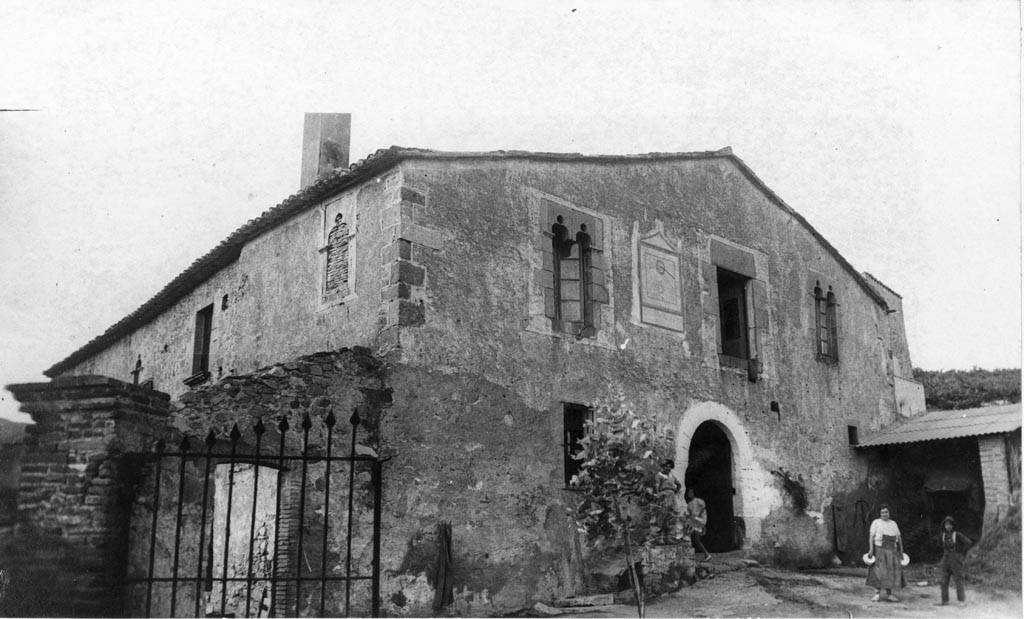
The building is a classic example of Catalan rural architecture: a two-storey masia with a gabled roof, originally built in the 15th-16th centuries. Its most distinctive feature is the rectangular tower topped with a four-sided roof, added in the 18th century on the right side of the house. The tower holds three round-arched windows, and the facade still keeps its original stone-carved window frames along with a circular doorway. The property is legally protected as part of Catalonia's cultural heritage inventory and is currently in good condition. It remains privately owned and serves a residential function, while the neighbouring structures now operate as wine cellars and storage.
The estate's documented history begins in 1814, when Antoni Sunyol purchased the property. It was the Sunyol family who, in 1920, started producing sparkling wine here using the traditional méthode champenoise, launching the Parxet brand — the first bottle sold was named Montalegre, in tribute to a nearby Carthusian monastery. The underground cellars carved beneath the house are still used today to age certain cava vintages, even though the bulk of Parxet's production moved to Avinyonet del Penedès in 2012. As a tribute to the town, Parxet also created the premium cava Titiana, which continues to age in the historic cellars beneath the masia.
How do you get to Can Parxet?
Can Parxet stands on Camí de Can Garra in Tiana, within the Maresme comarca. The easiest way to reach it is by car from Barcelona, a roughly 30-minute drive along the coastal motorway toward Maresme. Alternatively, take a train or bus to Tiana's town centre, then a short walk or taxi ride out to the estate, which sits on the edge of town among fields and vineyards. Keep in mind that Can Parxet is a private residence, so visits inside the building are not always possible — it's worth checking in advance whether the Parxet winery has any open days or tastings scheduled.
When is the best time to visit?
Spring and early autumn are the best seasons to visit, when the surrounding vineyards look their most photogenic and temperatures are comfortable for walking around the area. Summers can get warm, though the nearby coastline tempers the heat, while autumn — especially September — brings the grape harvest, an extra draw for wine tourists exploring Tiana.
Frequently Asked Questions
Can you go inside Can Parxet? It's a privately owned residence, so interior visits aren't generally available. Check with the Parxet winery for tastings or open events that might include access to the estate.
Where does the name Can Parxet come from? The name comes from the family associated with the estate, and it later lent its name to the well-known cava brand produced here since 1920.
How does Can Parxet differ from the current winery site? The historic masia and its underground cellars remain in Tiana, while the main industrial-scale production of Parxet cava has taken place in Avinyonet del Penedès since 2012.
What is the oldest part of the building? The oldest section is the original gabled farmhouse structure, dating from the 15th-16th centuries; the distinctive tower was added later, in the 18th century.
Nearby places

Earn badges for the places you visit
Download NextOnTrip, discover new places and check off your trails.