About this place
La Casa Alta is a Gothic farmhouse in Tiana, a small town in the Maresme region of the Barcelona province. Protected as a cultural asset of local interest (BCIL), the building ranks among the oldest surviving examples of civil architecture in the area, with origins dating back to the 15th century.
What can you see there?
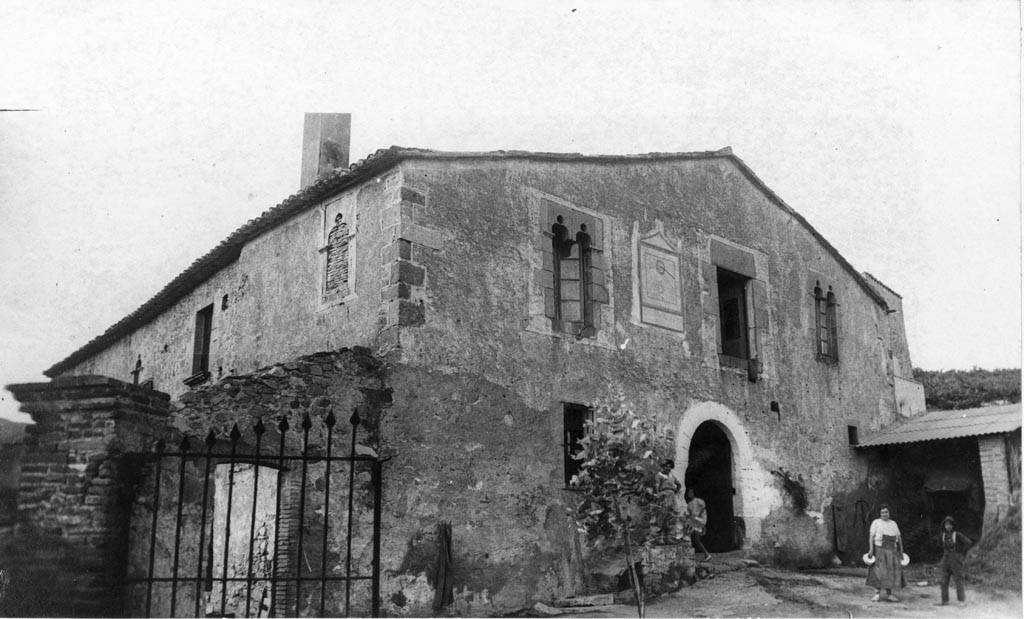
La Casa Alta is a modest yet striking example of Catalan Gothic architecture. Like many rural houses of its period, it follows a simple layout: a ground floor and a single upper storey, topped by a two-slope roof whose ridge runs perpendicular to the façade. The most eye-catching feature is the stone portal with a rounded arch, set off-centre rather than aligned with the building's central axis — a detail common in rural constructions of the time, where practicality often outweighed strict symmetry.
The façade also preserves two large Gothic-style windows, and the central one stands out for its stone lintel, threshold and jambs — craftsmanship details that reveal the quality of the original stonework. Getting close to these openings is worthwhile, since they best show the skill that went into the house's construction.
Likely in the 18th century, the building underwent a significant renovation: the rear section was added and new window openings were cut into the walls, adapting the house to the living and working needs of the time. This later phase means La Casa Alta today blends medieval elements with subsequent modifications, making it an interesting case study in the gradual evolution of rural architecture.
At present, the building is in poor condition, with the columns that once supported the window openings now missing. Despite this, it remains a meaningful piece of local heritage and continues to be protected under its cultural-asset status.
How do you get to La Casa Alta?
Tiana sits in the Maresme region, close enough to Barcelona to make it an easy day trip from the city. Driving is the most convenient option, since the town has good road connections to the Barcelona metropolitan area, and once there, the small, walkable centre is easy to explore on foot. Travellers relying on public transport can take a regional bus heading into Maresme and reach the historic core of Tiana with a short walk from the nearest stop.
When should you visit?
Because the site is quiet and doesn't draw large crowds, La Casa Alta can be visited year-round. Spring and autumn offer the most pleasant conditions for walking around Tiana, with mild temperatures and soft light that brings out the details of the stone façade. Summers in the Maresme region can get hot, so it's best to plan a visit for the morning or late afternoon.
Frequently Asked Questions
Can you go inside La Casa Alta? The building is a legally protected heritage site, and access to the interior depends on its current use and condition — it's worth checking on-site signage or asking at the local town hall for up-to-date information.
How old is the building? The oldest part of La Casa Alta dates to the 15th century, while the rear section and some of the window openings come from a renovation carried out probably in the 18th century.
What does BCIL status mean? BCIL (bé cultural d'interès local) is a Catalan heritage protection category for assets of local interest — it covers buildings significant to a municipality's heritage, even if they don't hold national-level status.
Is it worth combining the visit with other sights in Tiana? Yes — Tiana has several other historic buildings in its town centre, so a stop at La Casa Alta can easily be extended into a short walking route through the rest of the old quarter.
Nearby places

Earn badges for the places you visit
Download NextOnTrip, discover new places and check off your trails.