About this place
Can Lleonart in Alella is a historic farmhouse-turned-cultural-centre standing on Plaça de l'Ajuntament, in the heart of this small town on the Maresme coast near Barcelona.
What kind of building is it?
Can Lleonart began life as a traditional Catalan masia, a rural farmhouse. Its ground floor still preserves three original volumes of the early structure along with a central corridor that follows the building's original entrance line, letting visitors trace the earliest construction phase. At the rear, the staircase keeps a small viewing aperture, a detail common in houses of this type that let residents check who was approaching without stepping outside.
How did the architecture evolve?
The building's major transformation came in the 18th century. A new eastern corridor was added parallel to the existing ones, and a new facade went up at the front, decorated with sgraffito — a technique that creates a pattern by scratching through a top layer of plaster to reveal a different colour underneath. The result is a Baroque front noted for its exceptional compositional clarity, pairing decorative surface work with plain, evenly spaced window openings. Beneath the terrace sits an 18th-century cellar with vaulted ceilings and arches, where a wooden two-screw wine press has survived intact — a direct trace of the estate's original agricultural role before it became a public institution.
What role did the house play in local history?
Can Lleonart carries a page of local history tied to the War of the Spanish Succession: brothers Salvador and Francesc Lleonart took part in events connected to the siege of Barcelona in 1714. A commemorative plaque marking this episode was placed on the building on 11 September 1977 and remains visible today.
How did it become a cultural centre?
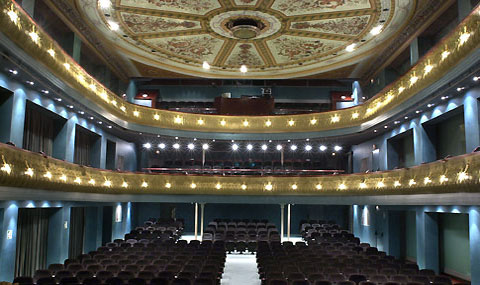
On 23 September 1985, the town council of Alella purchased Can Lleonart, closing its chapter as a private residence. An occupational restoration workshop began work on the building in 1991, followed in 1994 by the founding of an Escola Taller — a training school teaching the crafts needed for the restoration itself. The facade's sgraffito decoration was restored in 1998, bringing back its original 18th-century appearance. A further round of improvements came in 2002, when access to the building was upgraded and the attic was converted into an auditorium.
What happens at Can Lleonart today?
The building now houses Alella's municipal culture department and operates as the Centre Cultural Can Lleonart. It hosts seasonal courses and workshops, discussion groups known locally as tertúlies, concerts, and cultural outings organised by the centre — past programmes have included trips to Hostalric, the castle at Celrà, and the Sagrada Família in Barcelona. The building stands at Plaça de l'Ajuntament 1, right in the centre of Alella, next to the town hall.
Frequently Asked Questions
What was Can Lleonart originally used for? It was a traditional Catalan masia, a working farmhouse. The oldest surviving parts — three ground-floor volumes and the central corridor — still sit beneath the later Baroque facade.
When did the building become municipal property? On 23 September 1985, when the Ajuntament d'Alella bought the property and began turning it into a cultural centre.
What can visitors see in the cellar? An 18th-century cellar with vaults and arches, home to a surviving wooden wine press with a two-screw mechanism — a remnant of the house's farming past.
Is Can Lleonart still an active cultural venue? Yes. It houses Alella's culture department, includes an auditorium in the former attic, and regularly runs courses, workshops, and organised outings for residents and visitors alike.
Nearby places

Earn badges for the places you visit
Download NextOnTrip, discover new places and check off your trails.