About this place
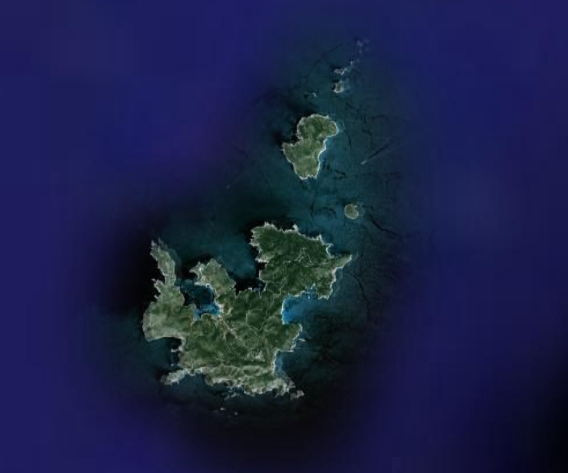
Cabrera National Park, officially the Cabrera Archipelago Maritime-Terrestrial National Park, protects the entire Cabrera Archipelago in the Balearic Islands, an autonomous community of Spain. It is the largest national park in the whole of Spain, covering 908 square kilometres, of which 895 square kilometres are sea area. That ratio makes Cabrera fundamentally a marine park, where the protection of surrounding waters and seabed ecosystems is at least as important as the protection of the islands themselves.
Where is Cabrera located?
The archipelago sits within the Balearic Islands, in the Mediterranean Sea, and lies at approximately 39.158 degrees north latitude and 2.967 degrees east longitude. Its position, away from the main tourist routes of the Balearics, is one of the key reasons the archipelago has retained such a wild and largely untouched character.
Does anyone live in the park?
There is no permanent population on the islands of the Cabrera Archipelago. That means visitors won't find villages, settlements, or year-round residents in the usual sense. The islands are not entirely empty, however — at any given time there might be just under 100 people present, made up of National Park staff and other personnel responsible for managing the protected area, monitoring wildlife, and handling logistics. Their presence is temporary and tied directly to running the park rather than to civilian settlement.
Why does the park attract relatively few visitors?
Compared with other Balearic destinations, Cabrera receives a relatively small number of visitors. The main reason is remoteness: the archipelago's distance from major population centres and tourist hubs makes it considerably harder to reach than the beaches and towns of Mallorca or Menorca. While that remoteness might look like a drawback from a mass-tourism perspective, it is actually one of the park's greatest strengths — it keeps human pressure low and allows the archipelago to remain close to its natural state.
What sets this park apart from other Spanish national parks?
Scale, above all. As the largest national park in Spain, Cabrera exceeds the area of every other protected site in the country, and the overwhelming share of sea within its boundaries makes it a distinctive example of maritime-terrestrial conservation. The park isn't a single site to visit but an entire system of islands and surrounding waters that together form one continuous protected ecosystem.
Frequently asked questions
Does anyone live permanently on Cabrera? No. The archipelago has no permanent population — only National Park staff and support personnel are present, numbering under 100 at any given time.
How large is Cabrera National Park? It covers 908 square kilometres, making it the largest national park in Spain. The vast majority of that area, 895 square kilometres, is sea.
Why do relatively few tourists visit the park? Its remoteness is the main factor — reaching the archipelago takes more effort than visiting the more accessible, popular spots elsewhere in the Balearic Islands.
Where exactly is the archipelago located? In the Balearic Islands, an autonomous community of Spain, at approximately 39.158°N, 2.967°E.
Nearby places

Earn badges for the places you visit
Download NextOnTrip, discover new places and check off your trails.