- Botanical Gardens
- Recreation and entertainment
Botanical Garden of Brussels
About this place
Botanical Garden of Brussels was a botanical garden that once stood in the heart of the Belgian capital, though today it survives only as a memory in the city's history rather than as a living green space. Anyone tracing the roots of Brussels' relationship with botany and public gardens sooner or later comes across this vanished institution, whose story is tied to the neighbourhood of Saint-Josse-ten-Noode.
Where did it stand?
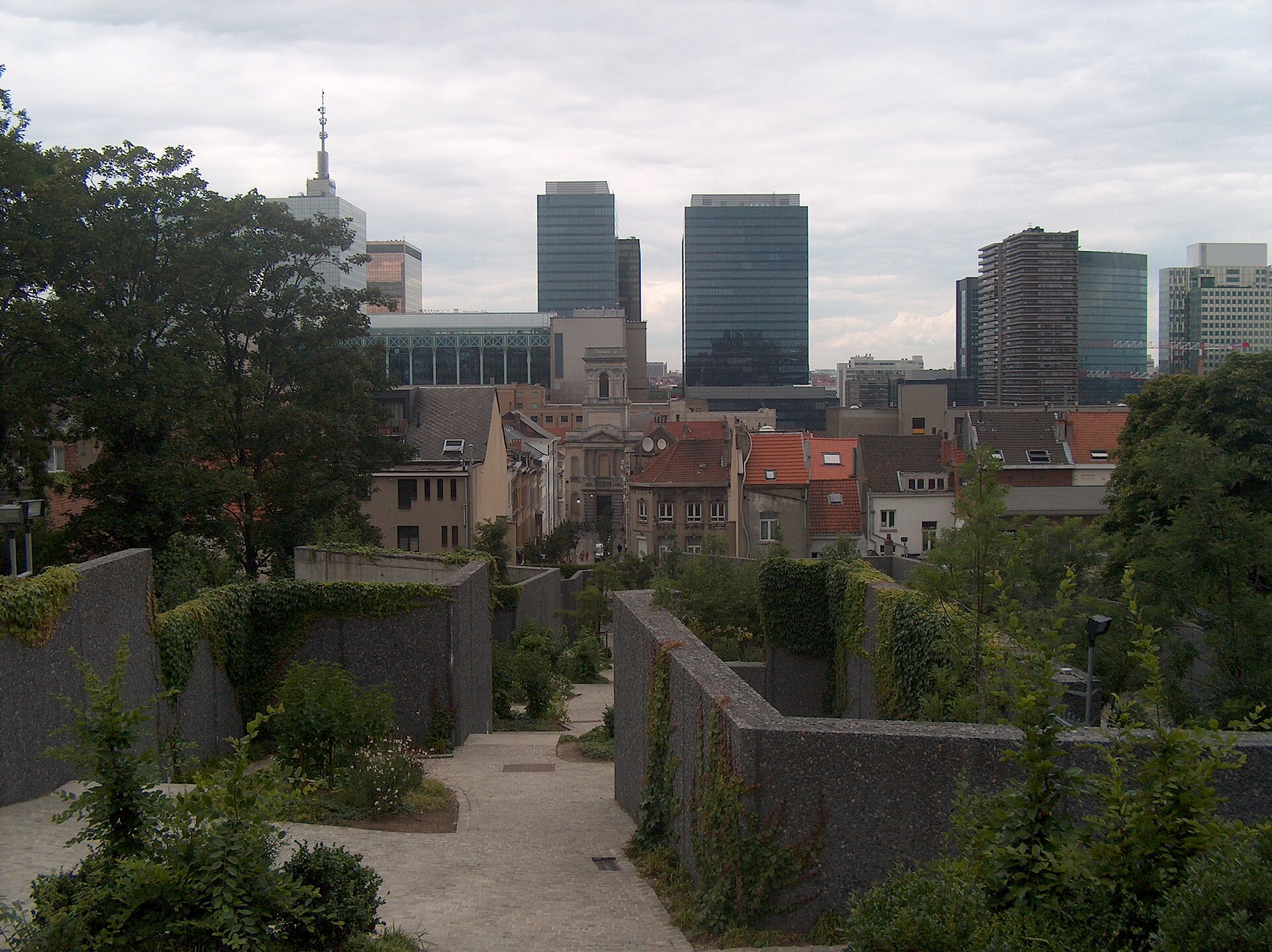
The garden was located on Rue Royale, one of the grand avenues that structure the northern part of central Brussels, running through Saint-Josse-ten-Noode (in Dutch, Sint-Joost-ten-Node). This placed it close to what would later become Brussels' Northern Quarter, the district that today is known as the city's financial and business centre, filled with office towers and banking headquarters. It is a striking contrast to imagine that a botanical garden, with its greenhouses, flowerbeds and quiet walking paths, once occupied ground so near to an area now defined by glass-and-steel skyscrapers.
When was it founded?
The garden traces its origins to 1826, placing its creation firmly in the years before Belgium became an independent state in 1830. At that time, Brussels was a growing European city, and the establishment of a botanical garden reflected a broader nineteenth-century enthusiasm across Europe for organised collections of plants, used for scientific study, education and public leisure alike. A garden of this kind in the early nineteenth century would have served as both a scientific institution and a fashionable public destination for residents of the city.
Why did it stop existing on Rue Royale?
The garden's presence on Rue Royale was not permanent. In 1938, it was relocated away from Saint-Josse-ten-Noode to a new home: the National Botanic Garden of Belgium in Meise, a municipality in Flemish Brabant, north of Brussels. This move took the institution out of the dense urban core and into a more spacious setting better suited to the needs of a growing botanical collection. The National Botanic Garden of Belgium in Meise continues to exist today, carrying forward the legacy of the earlier Brussels garden in a different location.
What does the site mean today?
Because the garden was moved rather than simply closed, its story is really one of transformation rather than disappearance. The institution's living collections, and the scientific and educational work behind them, did not vanish in 1938 — they continued, just relocated to Meise. What remained on Rue Royale was the memory of the site and its place in the urban fabric of Saint-Josse-ten-Noode, a municipality that forms one of the nineteen communes of the Brussels-Capital Region.
Najczęstsze pytania — Frequently Asked Questions
Where exactly was the Botanical Garden of Brussels located? It stood on Rue Royale/Koningsstraat, within the municipality of Saint-Josse-ten-Noode, near what later developed into Brussels' Northern Quarter financial district.
When was the garden created? It was created in 1826, several years before Belgian independence.
What happened to the garden? In 1938 it was relocated to the National Botanic Garden of Belgium in Meise, in Flemish Brabant, where its legacy continues today.
Can visitors still see the original botanical garden in Saint-Josse-ten-Noode? No — the garden itself no longer exists at its original Rue Royale location, since its collections and function were transferred to Meise in 1938.
Is the current National Botanic Garden of Belgium connected to this site? Yes, it is the direct successor institution that received the garden's role after the 1938 relocation from Brussels to Meise.
Nearby places

Earn badges for the places you visit
Download NextOnTrip, discover new places and check off your trails.