About this place
Bažantnice v Satalicích is a small but ecologically remarkable woodland at the northeastern edge of Prague, right next to the district of Satalice. Covering roughly 15 hectares, it holds the distinction of being the oldest protected natural area within the city limits, having received protected status back in April 1951.
Where does the name come from?
The name "Bažantnice" translates roughly as "pheasantry," and it points directly to the site's origins. The grounds were laid out around 1780 on the Vinoř estate belonging to Count Czernin, designed in the French landscaping style of the era. It served two purposes: as a game enclosure for deer and fallow deer, and as a breeding ground for pheasants kept for aristocratic hunts. Traces of that deliberate, ornamental planting scheme can still be read in the landscape today.
What can visitors see here now?
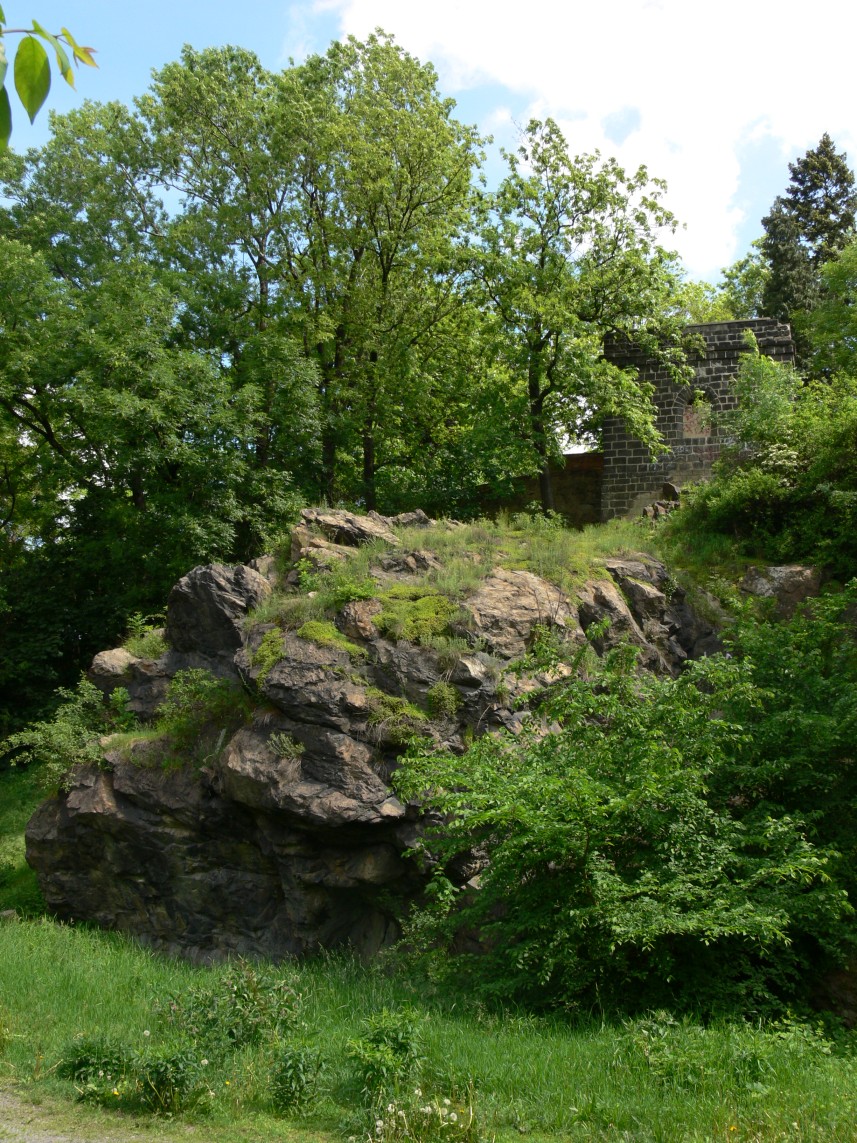
Today the area represents a drier type of floodplain forest, a habitat typical of river valleys in this part of Bohemia. Its standout feature is a collection of massive old oak trees, some with trunk circumferences exceeding 4 meters — very likely survivors from the original 18th-century plantings. Trees of this age, riddled with hollows and dead wood, create a habitat that is genuinely rare to find inside the boundaries of a major European capital.
Why was this specific site protected?
The main reason behind the protected status is the presence of rare forest beetle species tied specifically to old oaks and decaying wood. These insects, together with the veteran trees themselves, were the decisive factor in designating the area a natural monument. The abundance of cavity-bearing trees and deadwood also gives the site real ornithological importance: it hosts 9 specially protected bird species and 5 species currently listed on the Czech Republic's Red List.
How has the surrounding area changed over time?
Satalice, the settlement next to which the pheasantry lies, was an independent municipality until 1974. From that year onward it became part of Prague, and it now forms its own self-governing municipal district, Praha-Satalice, on the northeastern fringe of the capital. Being so close to a large city gives the reserve a dual role today — it protects a genuinely unique forest habitat while also functioning as a quiet green retreat for residents of the surrounding neighborhoods.
Frequently asked questions
Can you walk through Bažantnice v Satalicích? Yes, the area is open to visitors, though as a protected natural monument it calls for respecting conservation rules — staying on marked paths and avoiding disturbance to wildlife.
What is the site's biggest natural attraction? The most distinctive feature is its collection of centuries-old oaks, some with trunks over 4 meters in circumference, remnants of plantings made more than 200 years ago, along with the rich community of beetles and birds that depend on this old-growth timber.
Why is the place called a "pheasantry"? The name reflects its original 18th-century purpose: it was established as a hunting and breeding ground for pheasants and deer on the estate of the aristocratic Czernin family.
How do you get to Bažantnice v Satalicích? The reserve lies within the Praha-Satalice district, at the northeastern edge of Prague, directly adjoining the built-up area of this small Prague district.
Nearby places

Earn badges for the places you visit
Download NextOnTrip, discover new places and check off your trails.