Save this place and discover nearby attractions with NextOnTrip
In the app you can add it to your favorites, see what else is worth visiting nearby on the map, and earn a badge for your visit.
The app is available for iPhone and Android.
About this place
Bath Abbey Cemetery is a Victorian burial ground on a steep hillside in Widcombe, overlooking the city of Bath in Somerset, England. Officially it is the Cemetery of St Peter and St Paul, and it belongs to the Anglican tradition. It was laid out in 1843–44 by John Claudius Loudon, one of the best-known cemetery designers and landscape architects of his day.
Who designed Bath Abbey Cemetery?
The designer was John Claudius Loudon (1783–1843), a Scottish-born landscape architect and writer on gardening and public cemeteries. He planned the site on sloping ground, and he used it in his 1843 book on cemetery design as an example of how to treat hilly terrain. Loudon died only weeks before the cemetery was consecrated, so this is among his last completed works. Listing descriptions treat it as one of his three cemetery designs and as a fine illustration of his ideas, with a formal layout combined with informal, picturesque planting.
What is there to see?
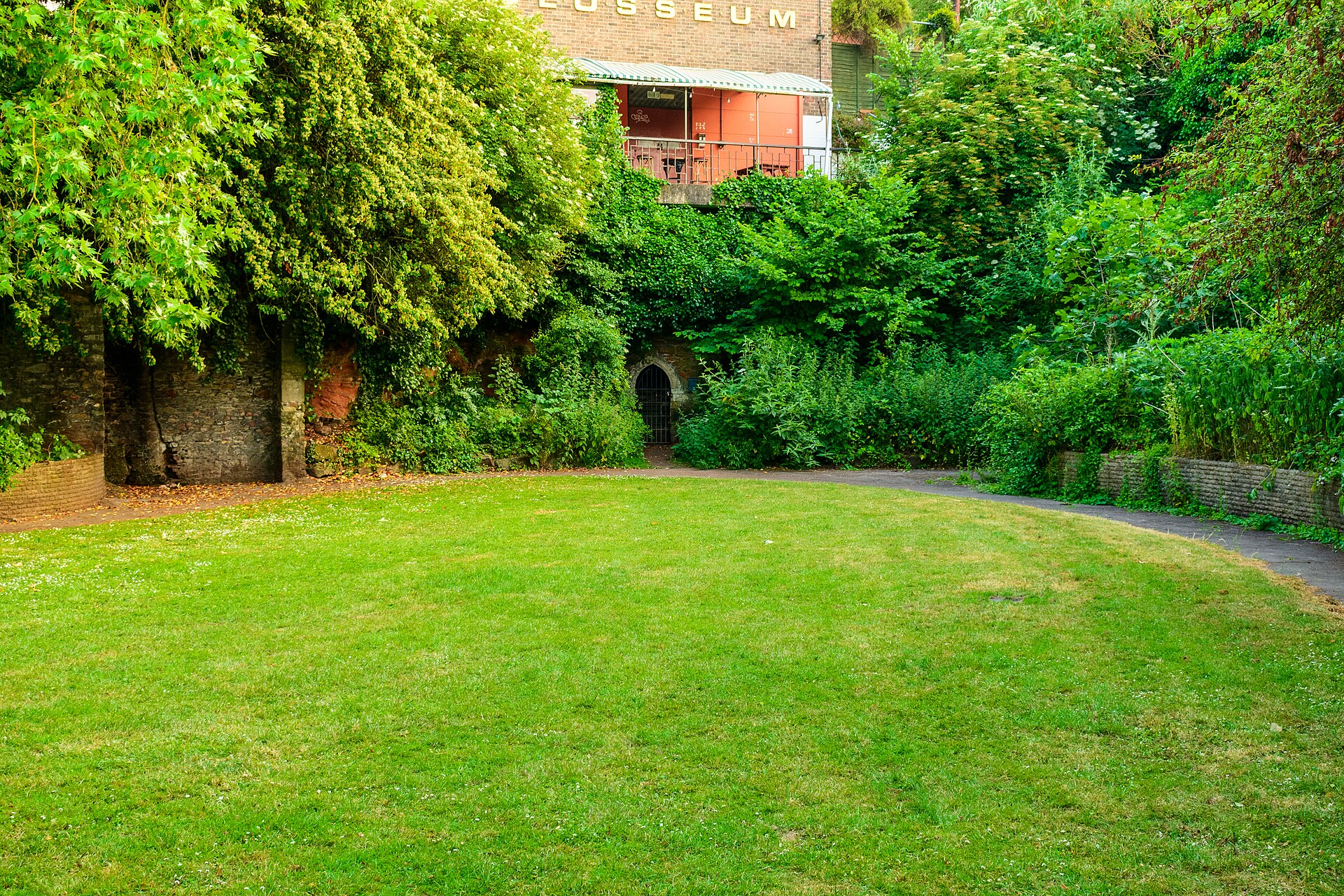
The main interest is the setting itself. Paths climb the slope between trees, shrubs and Victorian monuments, and the hillside gives views across the valley towards the city. The result is closer to a wooded garden than to a tidy churchyard, which was exactly what Loudon intended: a place where the dead were remembered in a landscape that was pleasant to walk through.
At the heart of the site stands the mortuary chapel, designed by George Phillips Manners, the city architect of Bath. The chapel is a Grade II listed building. The cemetery as a whole is also recognised on the national heritage list for its historic and landscape value.
Who is buried here?
The cemetery contains the tombs of many people from Georgian and Victorian Bath, a city that attracted retired officers, diplomats, clergy and artists. Parks and gardens records mention diplomats, military men, bishops, musicians, actors and poets among those buried here.
The most famous burial is probably William Beckford, the novelist and art collector, who was laid to rest in 1844 in a large granite tomb in front of the chapel. Another name often mentioned is John Bythesea, a Victoria Cross holder; sources describe him as the only recipient of that medal buried in this cemetery.
Is the cemetery open to visitors?
Practical details are worth checking before a visit. The cemetery stopped taking new burials in the mid-1990s, apart from existing family plots, and sources give slightly different closing years. Over the decades parts of the site became overgrown, and the chapel needed repairs. Access arrangements and ownership have been described differently in different records, so look for current information from the city council or local heritage groups before you go.
Frequently asked questions
When was Bath Abbey Cemetery created? It was laid out between 1843 and 1844 and consecrated in early 1844.
Is it connected to Bath Abbey? The name refers to the Abbey parish. The cemetery lies in Widcombe, on a hillside, and not next to the Abbey in the city centre.
Why is it important? It is a rare surviving example of Loudon's cemetery design, with a Grade II listed chapel and the tomb of William Beckford.
What is the best time to visit? Spring and autumn show the trees and the hillside views to best effect, but the site is atmospheric in any season.
Nearby places


Earn badges for the places you visit
Download NextOnTrip, discover new places and check off your trails.