About this place
Arantzazuko udala is the town hall of Arantzazu, a small municipality in the province of Biscay (Bizkaia), Basque Country, located in the Arratia-Nervión region in the southern part of this historic territory.
Where is Arantzazu and how big is the municipality?
Arantzazu covers just 3.80 km², making it one of the smallest municipalities in Biscay. The Arratia River runs through the area, and the surrounding landscape is defined by gentle hills typical of the Basque interior. As of 2024, the municipality had 394 registered residents, up from 305 in 2007 — a steady, if modest, population increase over the past two decades. The village sits at an elevation of roughly 144 meters above sea level.
Where does the name Arantzazu come from?
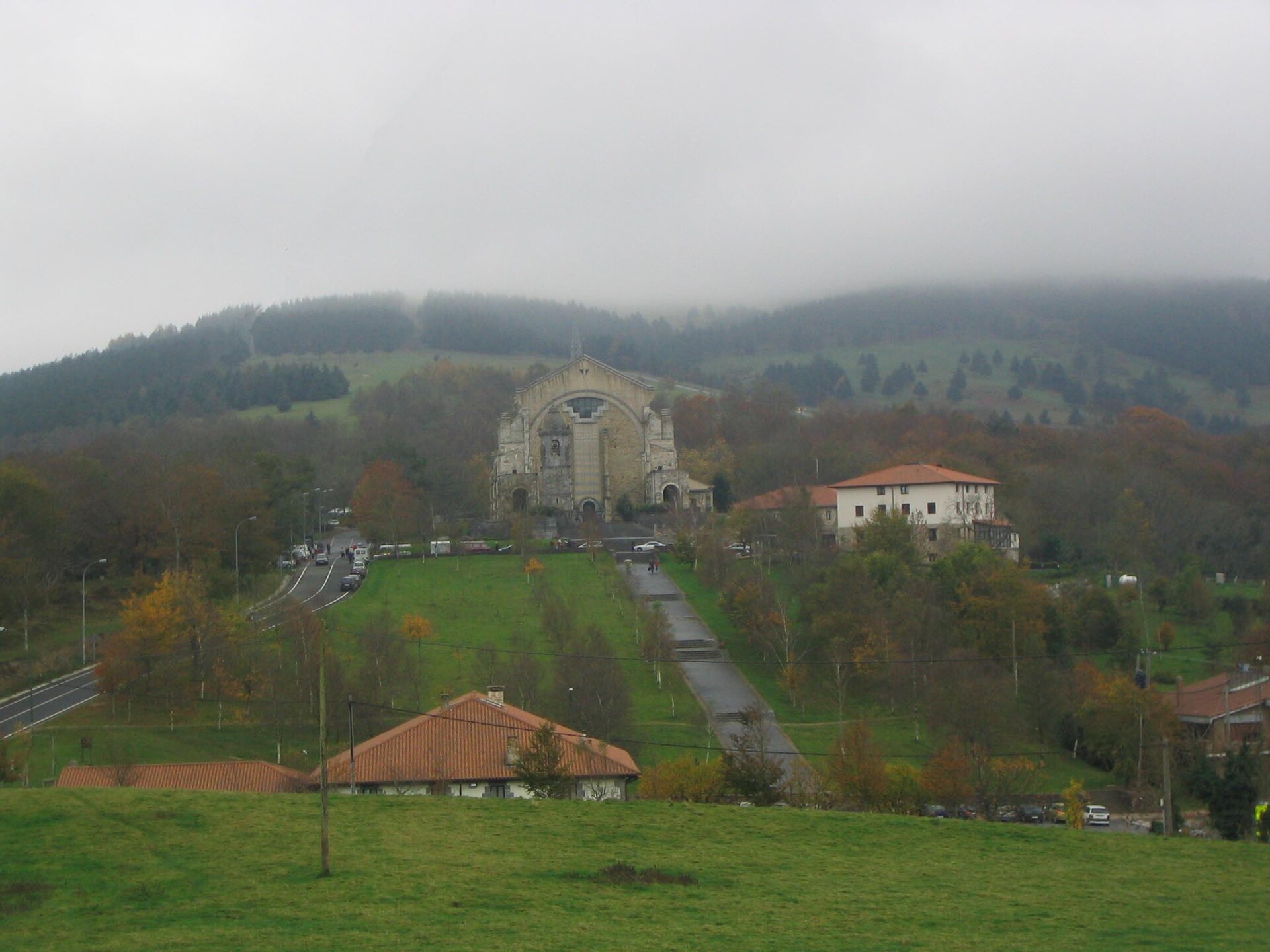
The name comes from Basque, derived from "arantza" (thorn, hawthorn bush) combined with the locative suffix "-tzu," together meaning something like "place of thorns" or "place where hawthorn grows." This is the same root that gives its name to the famous Marian Sanctuary of Arantzazu — but that is a different site altogether, located dozens of kilometers away in the province of Gipuzkoa, within the municipality of Oñati. The Arantzazu municipality in Biscay and the sanctuary in Gipuzkoa share only their name's origin, not their location.
What can visitors see in the municipality of Arantzazu?
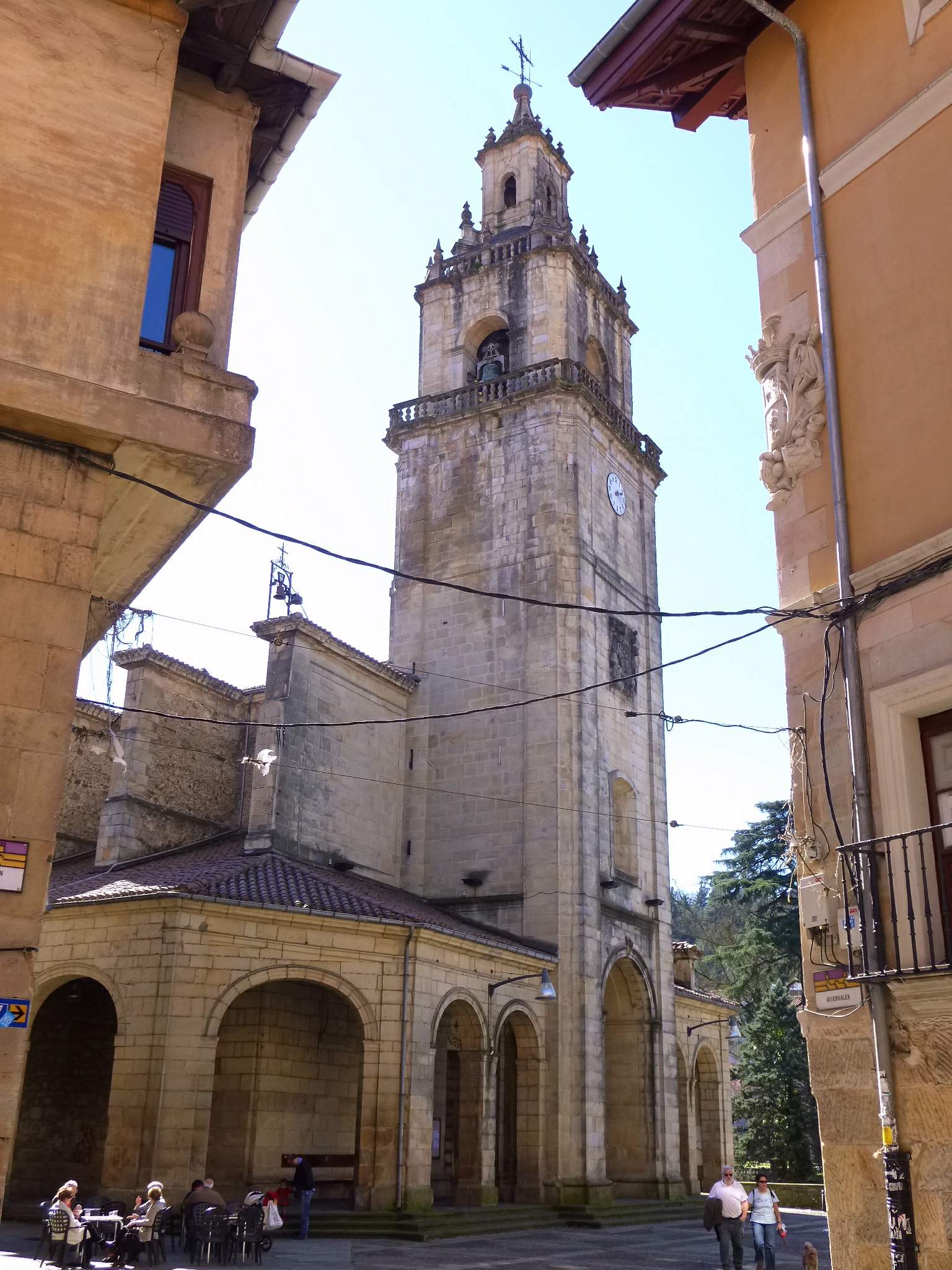
The village centers on the parish church of San Pedro Apóstol, whose history dates back to the 12th century and which houses an impressive Baroque altarpiece as its main interior feature. Beyond the church, several smaller but distinctive pieces of local heritage are worth a look: the Zelaia bridge, the Errotalde mill, and the coat of arms of the Atutxa family displayed on one of the local houses. In the hamlet of Arantzazugoiti, part of the municipality, stands the Vildolosa bridge.
What is the local architecture like?
The municipality of Arantzazu offers a good look at traditional Basque rural architecture. The landscape is dotted with caseríos — the freestanding stone-and-timber farmhouses typical of inland Biscay — along with small ermitas (rural chapels) scattered across the surrounding hillsides. This is functional, agrarian architecture shaped over centuries by the pastoral and farming economy of the Arratia-Nervión region.
Frequently Asked Questions
Is Arantzazu the same place as the famous Marian sanctuary? No. The municipality of Arantzazu in Biscay and the Sanctuary of Arantzazu in Gipuzkoa (municipality of Oñati) are two separate places — they share a name and an etymological root, but not an administrative location.
How big is the municipality of Arantzazu? It covers 3.80 km² and has around 394 residents, according to 2024 figures.
What is the town's main landmark? The 12th-century parish church of San Pedro Apóstol, notable for its Baroque interior altarpiece.
What kind of landscape surrounds Arantzazu? The gentle hills of the Arratia-Nervión region, crossed by the Arratia River, dotted with traditional Basque farmhouses (caseríos) and small chapels.
Nearby places

Earn badges for the places you visit
Download NextOnTrip, discover new places and check off your trails.