About this place
The Abbey of Montigny-lès-Vesoul is a former convent in the village of Montigny-lès-Vesoul, in the Haute-Saône department of the Bourgogne-Franche-Comté region in eastern France. Standing right next to Vesoul, the departmental capital, it is one of the more revealing traces of monastic life to survive in this part of the country.
Who founded the abbey, and why?
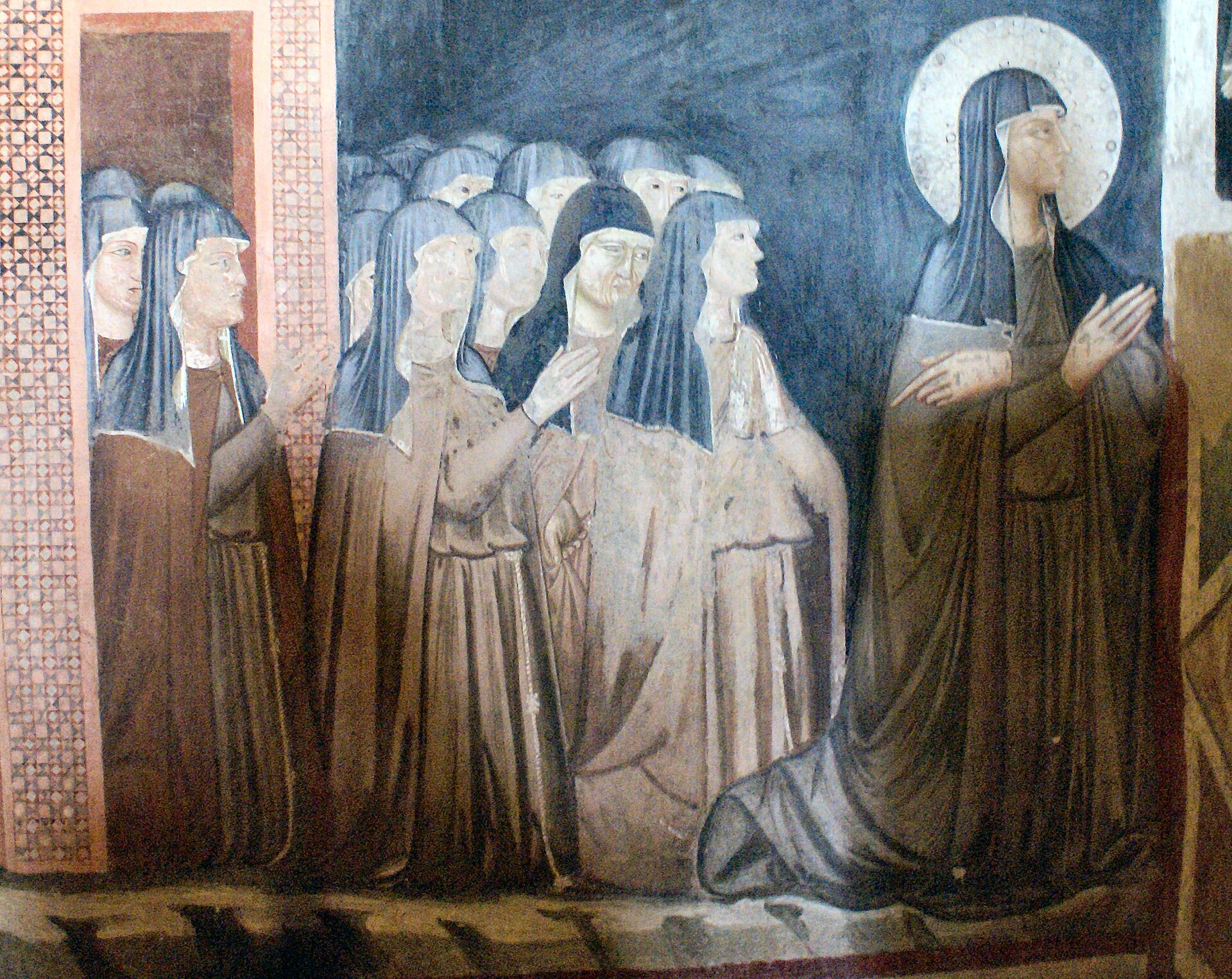
The idea of establishing a women's convent at Montigny goes back to around 1265, when Héloïse de Joinville began planning it. She was the sister of the celebrated chronicler and seneschal of Champagne, Jean de Joinville, a close companion of King Louis IX, and the widow of Jean de Faucogney, viscountess of Vesoul. The plan only became reality in 1286, when the abbey was formally founded for Urbanist Poor Clares, a branch of the Franciscan order. Because the community mostly took in daughters of noble and wealthy families, locals came to know it as the "abbey of noble ladies."
What did the community go through over the centuries?
Life at the abbey was rarely settled. In 1356, during the Hundred Years' War, mercenary companies known as Routiers ransacked the buildings, and in 1437 marauding Écorcheurs troops struck again. In 1595, amid the wider conflict between France and imperial forces over Franche-Comté, a force under Tremblecourt set the abbey on fire. Matters shifted after 1678, when Franche-Comté was absorbed into the Kingdom of France. Attempts were made to impose stricter monastic enclosure on the nuns, and around 1710 a dispute broke out over turning such communities into secular chapters of canonesses. It was only in 1732 that letters patent from the King's Council formally recognized the particular status of the Montigny community. Most of the buildings visible today date from this later period, rebuilt in two campaigns, roughly around 1730 and again in 1769. During the French Revolution, the abbey's property was confiscated and sold as national land, forcing the remaining canonesses to buy back their own houses. The site kept changing hands afterward: the diocese allowed Discalced Carmelites to settle there between 1844 and 1864, and in 1874 a community of Benedictine nuns took their place.
What is there to see today?
What remains is essentially an 18th-century monastic complex. The grounds and the old outbuildings of the abbatial quarter have been protected as a monument historique since 9 November 1994, and the surviving canonesses' houses and other buildings received the same protection on 25 April 1997. Walking through this quarter of Montigny-lès-Vesoul traces the site's long transformation — from a 13th-century Franciscan convent, to a chapter of noblewomen, to national property, and finally to a home for several different religious communities.
How do you get there?
Montigny-lès-Vesoul sits right next to Vesoul, the Haute-Saône prefecture, which makes the abbey an easy day-trip destination from the town or a stop on a wider tour of Franche-Comté.
Frequently Asked Questions
When was the Abbey of Montigny-lès-Vesoul founded? It was formally established in 1286, though the plan for it dates back to around 1265, when Héloïse de Joinville first proposed it.
Which religious order lived there? Urbanist Poor Clares, a Franciscan order that admitted mostly daughters of noble families — hence its nickname, the "abbey of noble ladies." In the 19th century the site later housed Discalced Carmelites, then Benedictine nuns.
Is the abbey a protected historic site? Yes. The grounds of the old abbatial quarter were listed as a monument historique in 1994, and the remaining canonesses' buildings were added to the protection in 1997.
Why was the abbey destroyed and rebuilt so many times? It repeatedly suffered from military conflict — mercenary raids during the Hundred Years' War in 1356 and 1437, and a fire set by troops in 1595 amid the struggle between France and the Empire over Franche-Comté.
Nearby places

Earn badges for the places you visit
Download NextOnTrip, discover new places and check off your trails.