About this place
Sixt Abbey (Abbaye de Sixt) is a former abbey of Augustinian canons regular in Sixt-Fer-à-Cheval, Haute-Savoie, standing at the entrance to the celebrated Cirque du Fer à Cheval in the Savoy Alps. Coordinates: 46.055748, 6.776691.
When was the abbey founded?
A community of canons settled here during the 1130s, and the site was formally raised to abbey status in 1144. The founding canons came from the abbey of Saint-Maurice d'Agaune in Valais, in present-day Switzerland, which acted as the mother house. Until the early 17th century, Sixt belonged to the congregation centred on the abbey of Abondance, which grouped Augustinian houses across the region.
What kind of community lived here?
Canons regular differed from contemplative monks: they combined communal prayer with pastoral work among the surrounding population. The Augustinian rule spread mainly through the former diocese of Geneva, as well as into the Jura and upper Valais, and Sixt became one of its notable outposts in this part of the Alps. Between the 12th and 16th centuries the abbey prospered, holding land and influence extending across the Giffre valley.
Which buildings survive today?
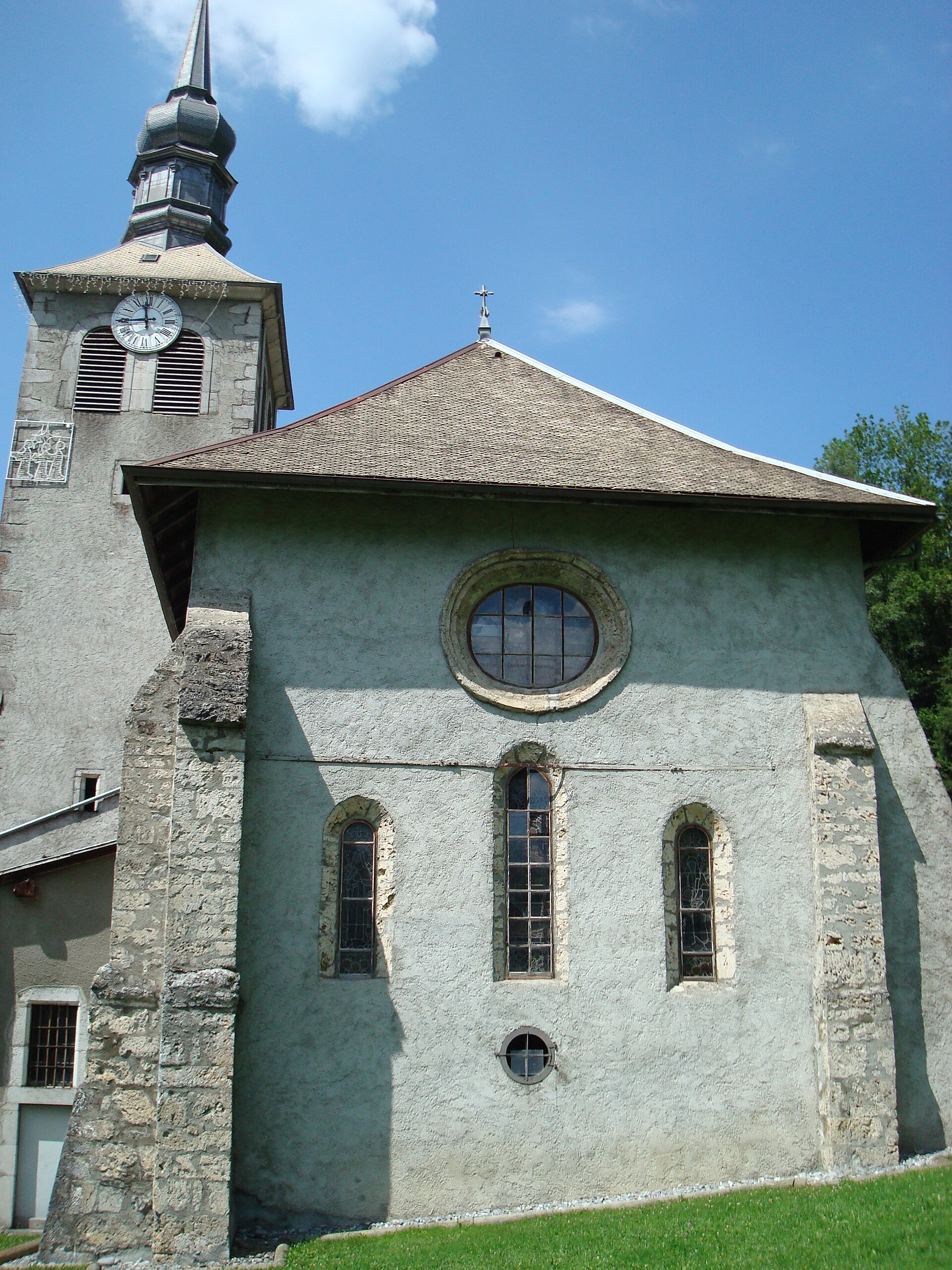
Construction began in 1144 around a Romanesque cloister. Within this layout stood the church and a south wing housing the refectory, kitchen and dormitory. The church, positioned on the north side of the complex, is a composite structure built in phases between the 13th and 18th centuries, which explains its mix of architectural styles. The remaining conventual buildings were likewise raised gradually, from the 12th through the 18th century, as the community's needs evolved.
What happened after the French Revolution?
The French Revolution reached Savoy in 1792, bringing the abbey's monastic life to an end. The canons were dispersed and the abbey's property was sold off. From that point the buildings passed through different owners and uses, losing their original monastic character.
What is the abbey used for today?
The church and the former presbytery belong to the commune of Sixt-Fer-à-Cheval, while the plot of the former convent was purchased by the Haute-Savoie department in 2000. The site now serves as the department's centre for art and culture and is currently undergoing restoration work. Every summer the former abbot's residence (logis abbatial) hosts a themed exhibition with free admission, a different subject each year — the main opportunity to see the interiors.
Why visit the abbey in Sixt-Fer-à-Cheval?
The site combines historical depth with an exceptional setting: it stands at the heart of a village ranked among the most beautiful in France, right by the entrance to the Cirque du Fer à Cheval, one of the most recognisable natural rock amphitheatres in the Alps. Walking through the former cloister and catching the summer exhibition makes a natural complement to a day in the mountains.
Frequently asked questions
Who founded Sixt Abbey? Augustinian canons regular, brought from the abbey of Saint-Maurice d'Agaune in Valais, during the 1130s-1140s.
Can the abbey be visited? Yes, although parts of the site are under renovation. The interiors are easiest to see in summer, during the annual free themed exhibition in the former abbot's residence.
Until when did the monastic community exist? Until the French Revolution — in 1792, when the Revolution reached Savoy, the canons were dispersed and the property sold.
Who owns the site today? The church and presbytery belong to the commune of Sixt-Fer-à-Cheval, while the former convent grounds belong to the Haute-Savoie department, which purchased them in 2000.
Nearby places

Earn badges for the places you visit
Download NextOnTrip, discover new places and check off your trails.