Museums in Norway
A guide to 53 Museums in Norway — with descriptions, photos and traveler visits from the NextOnTrip community. Locations spread across 32 cities and towns. Most visited by the community: Ringve Museum, Kystmuseet Hvaler, Hordamuseet.
-
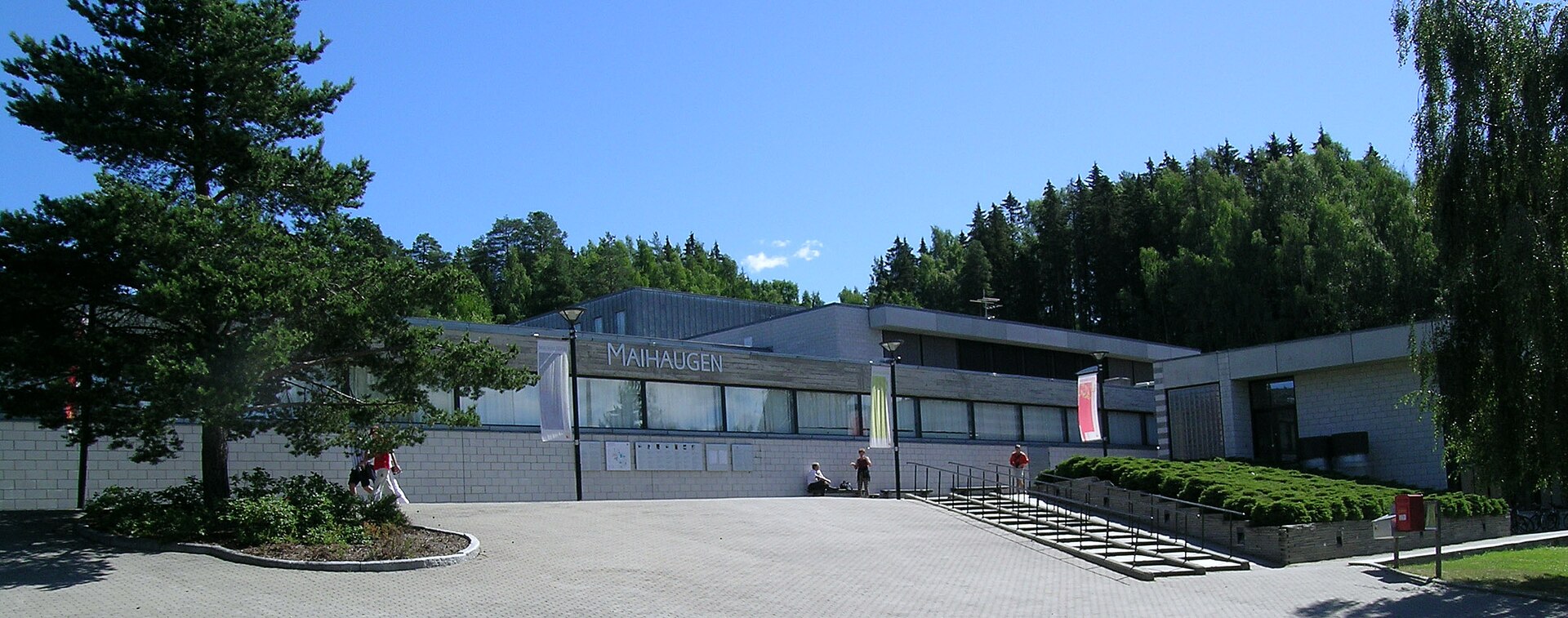
Maihaugen
Lillehammer
Maihaugen is an open-air museum of Norwegian culture in Lillehammer, Norway, and one of the town's most visited attractions. With close to 200 buildings, it ranks among the largest open-air museums in Northern Europe and is one of the largest cultural institutions in the country. What is Maihaugen? Maihaugen shows how Norwegians lived over the centuries, from rural farmsteads and outbuildings to urban townscapes. The buildings were not constructed for the museum. They were moved from different parts of the country and re-erected on the grounds. The site is divided into three main areas, and a visit feels like a walk through Norway's past on a national scale. How did the museum begin? The story goes back to 1887. Anders Sandvig, a dentist who had moved to Lillehammer in 1885, began collecting old objects and buildings, setting up the first of them in his own garden. The town council offered him a permanent site in 1901, and on 2 July 1904 the open-air museum opened under the name Maihaugen – De Sandvigske Samlinger. Sandvig led it until 1946. Since 2011, Maihaugen has been part of the Lillehammer Museum foundation. What should you see? One of the highlights is the wooden Garmo stave church. It was dismantled in 1882 and sold to Sandvig, who brought it to Lillehammer. It was re-erected at Maihaugen in 1920–1921. The church is still in use, including for weddings. Beyond it, the collection includes dozens of farms and houses from various regions, plus urban buildings that let you compare rural and town life. Who is it for? The museum suits anyone interested in history, timber architecture and Norwegian traditions. Because of the size of the site and the number of buildings, plan plenty of time and wear comfortable shoes. Much of the visit is outdoors, so check the weather forecast first. Frequently asked questions Where is Maihaugen? In Lillehammer, Norway, at roughly 61.113 N, 10.478 E. How many buildings are there? Close to 200. Who founded Maihaugen? Dentist Anders Sandvig, who began collecting in 1887 and opened the museum in 1904. Is there a stave church at Maihaugen? Yes, the Garmo stave church, re-erected here in 1920–1921. Is Maihaugen connected to Sigrid Undset? Maihaugen belongs to the Lillehammer Museum foundation, which also includes Bjerkebæk, the former home of the writer Sigrid Undset in Lillehammer. Can I combine the visit with other sights in town? Yes. Several museum sites in Lillehammer sit under one foundation, which makes it easy to plan a day around the history of the region.
-
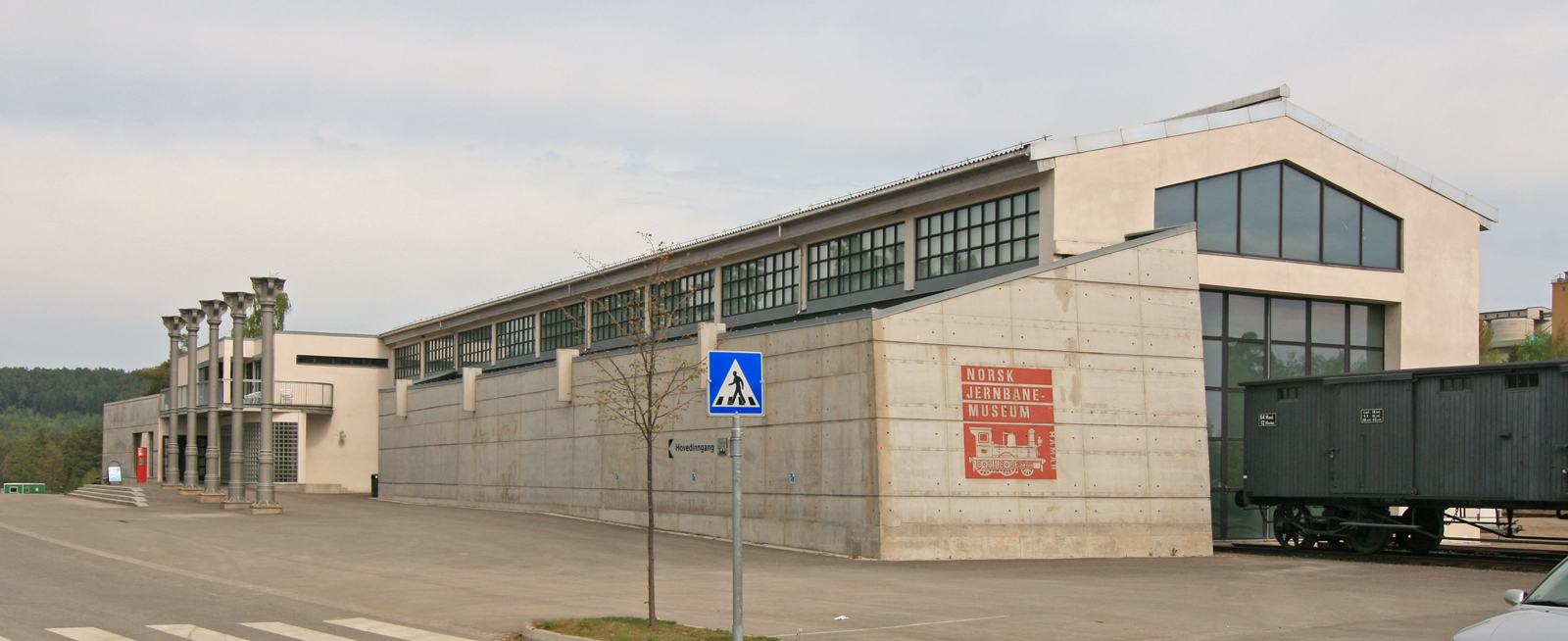
Norwegian Railway Museum
Hamar
The Norwegian Railway Museum (Norsk jernbanemuseum) in Hamar is Norway's national railway museum and, according to Wikidata, the oldest of its kind in the world. It stands on the shore of Lake Mjøsa at a spot called Martodden, close to the town centre. It is a good stop for families, technology enthusiasts and anyone curious about how Norway's railways developed. How did the museum begin? The museum was founded in 1896 by former railway workers as a private initiative. The first collection was displayed on the upper floor of Hamar railway station until 1912. After that, the exhibits spent years in storage, closed to visitors. In 1930 the museum was rebuilt as an open-air site, but it lay far from a working railway line, and moving heavy vehicles there proved expensive and difficult. The museum has occupied its current lakeside location since the mid-1950s. Today it is owned by the Norwegian Railway Directorate and has carried its present name since 1996. What can you see? The main hall, reopened in 2003, holds two locomotives built by Robert Stephenson in 1861, along with main-line locomotives built in Oslo and in Essen. The newer hall houses an extensive hands-on exhibition on railway history, both global and Norwegian. The main exhibition is titled "Tracking the Journey". The park contains several of Norway's oldest station buildings. A highlight is one of the country's largest steam locomotives, known as Dovregubben. The collection also includes carriages from the Norwegian royal train, offering a glimpse of how monarchs once travelled. Can you ride a train? Yes. In summer two trains run on the museum grounds: Tertitten, a narrow-gauge train, and Knertitten, a miniature train that children particularly enjoy. It is a pleasant change after the halls and the outdoor displays. Frequently asked questions Where is the museum? In Hamar, on Lake Mjøsa, in the Martodden area. It is a short trip from the town centre, and the waterside setting makes a walk along the shore a natural addition to the visit. Is it suitable for children? Yes. The interactive exhibition in the new hall and the summer train rides give younger visitors plenty to do. When is the best time to visit? Summer, when both trains operate and exploring the park with its historic stations is most enjoyable. Check the official website (jernbanemuseet.no) for current opening hours and ticket prices. How much time should I allow? Several hours is a sensible allowance for the halls, the park and a train ride. Railway fans can easily fill a whole day. What makes this museum special? Its age and its status as a national institution. The collection reaches back to the late nineteenth century and includes mid-nineteenth-century locomotives as well as vehicles from the royal train. Hamar also lies conveniently on the route from Oslo towards Lillehammer, so the museum fits well into a longer trip through southern Norway. In short The Norwegian Railway Museum combines history, engineering and family fun in one place. Historic steam locomotives, old stations, royal carriages and summer trains make for a varied visit, and the setting beside Lake Mjøsa adds to the charm. If you are passing through Hamar, it deserves a place on your itinerary.
-
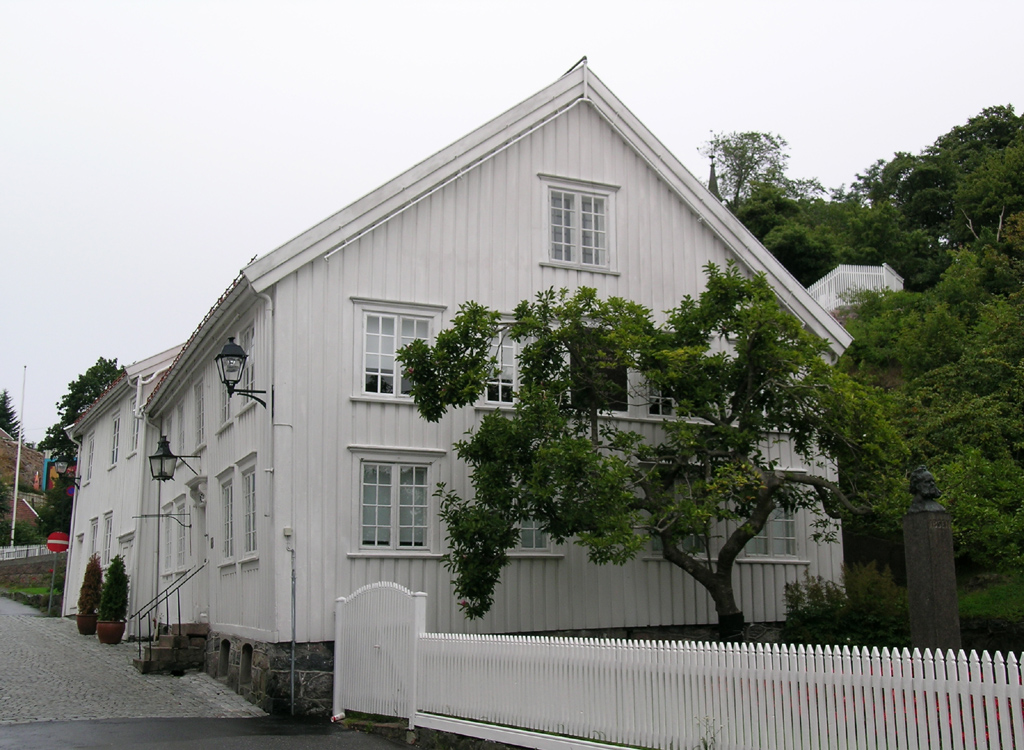
Ibsen Museum
Grimstad
The Ibsen Museum in Grimstad occupies the old pharmacy where young Henrik Ibsen worked as an apprentice, and where he lived in a small room and wrote his first play. It is one of the few places in Norway that shows the playwright not as an established classic, but as a fifteen-year-old starting out in adult life. What is it and where is it? The museum stands at Henrik Ibsens gate 14 in Grimstad, a small town on Norway's southern coast in the Sørlandet region. It is run by the Grimstad town museum, which looks after several visitor sites in and around the town, including a maritime museum. Do not confuse it with the Ibsen Museum in Oslo, which occupies the writer's last home close to the Royal Palace. Grimstad shows a very different chapter of his life: the beginning. Why was Ibsen in Grimstad? Ibsen arrived in Grimstad in 1843, aged 15, to work as an apothecary's assistant. Sources differ on the employer's name, giving both Reimann and Reiman. He lived at the back of the pharmacy in a small duty room, and it was there that he wrote his first drama, "Catilina", published in 1850 under a pseudonym. Soon afterwards he left for Christiania (today's Oslo), where his path to literary fame began. What will I see inside? Visitors can see the original pharmacy where the young Ibsen worked, and the room where he lived and wrote. The interiors are furnished to recall the time of his stay. It is a good way to picture the daily life of a nineteenth-century apprentice in Norway: cramped rooms, glass vessels and long working days, followed by nights spent on his own writing. How did the museum come about? The idea took shape in 1909, when a committee was formed to create a museum devoted to Ibsen. After roughly five years of effort the building was bought and furnished as it had looked when the young writer worked there. As a result the house survives as a record of the early years of one of Europe's most important dramatists. Frequently asked questions Is the visit guided? Yes, entry to the museum is by guided tour. Is the museum open all year? Opening hours vary by season. Summer brings longer visiting hours, while the rest of the year may be more limited, so check the museum's current information before you go. Is this the same museum as the one in Oslo? No. The Oslo museum is in Ibsen's last home, while the Grimstad museum tells the story of his youth and his time in the pharmacy. How long should I plan for? A guided visit makes a short stop on a stroll through town, and it combines well with the other museum sites in Grimstad. Who is it for? Lovers of literature and theatre, people interested in Norwegian history, and anyone who wants to see where the career of the author of "A Doll's House" and "Peer Gynt" began.
-
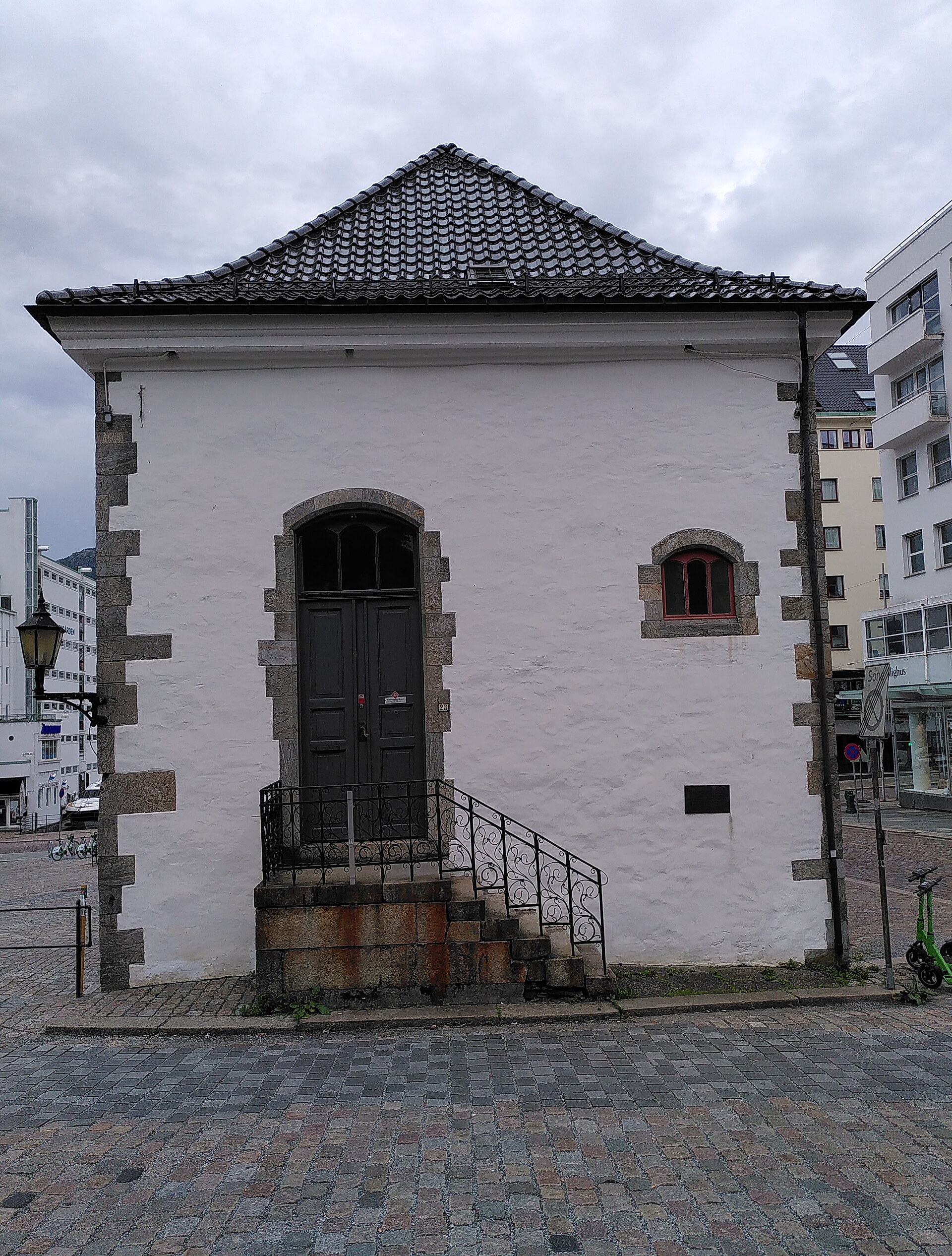
Buekorps Museum
Bergen
Buekorps Museum (Buekorpsmuseet) is a small museum in Bergen, Norway, devoted entirely to buekorps, the city's traditional neighborhood youth marching groups. It offers a look into a local custom that most visitors have never heard of. What is buekorps? Buekorps is a Bergen tradition in which groups of young people march through the streets in uniform, with drums and flags. Each corps comes from a particular part of the city. Bergen currently has 14 active buekorps with about 1,000 members in total. The museum explains where the tradition comes from and what it looks like today. What can you see inside? The collection covers both active corps and some that have disbanded. Exhibits include flags, medals, sabers and drums, the props that make up any parade. The museum also hosts a rotating display run by the active corps themselves, so the exhibition changes and shows the tradition through its participants' eyes. Space is limited, so only part of the collection is on display. A visit is short, and reviewers praise the knowledgeable staff. Where is it, and what is the building? The museum is in Murhvelvingen, at the entrance to Gågaten, the pedestrian street in central Bergen. The building has 16th-century roots: Murhvelvingen was built as a private residence after the great fire of 1561. The current pavilion was built after the fire of 1702. The museum has been open since 1977. Address: Murhvelvingen, 5012 Bergen. Frequently asked questions Is admission free? According to available information, yes, admission is free. When is it open? Published hours are Saturday 12:00–15:00 and Sunday 14:00–17:00, closed on weekdays. These come from a seasonal listing, so check buekorpsmuseet.no before you go. How long does a visit take? The exhibition is small, so a short stop is usually enough. It pairs well with a walk through central Bergen. Who is it for? Anyone curious about local traditions, city history and youth culture in Norway. It complements the main sights of Bergen well.
-
Edvard Munchs house
Åsgårdstrand
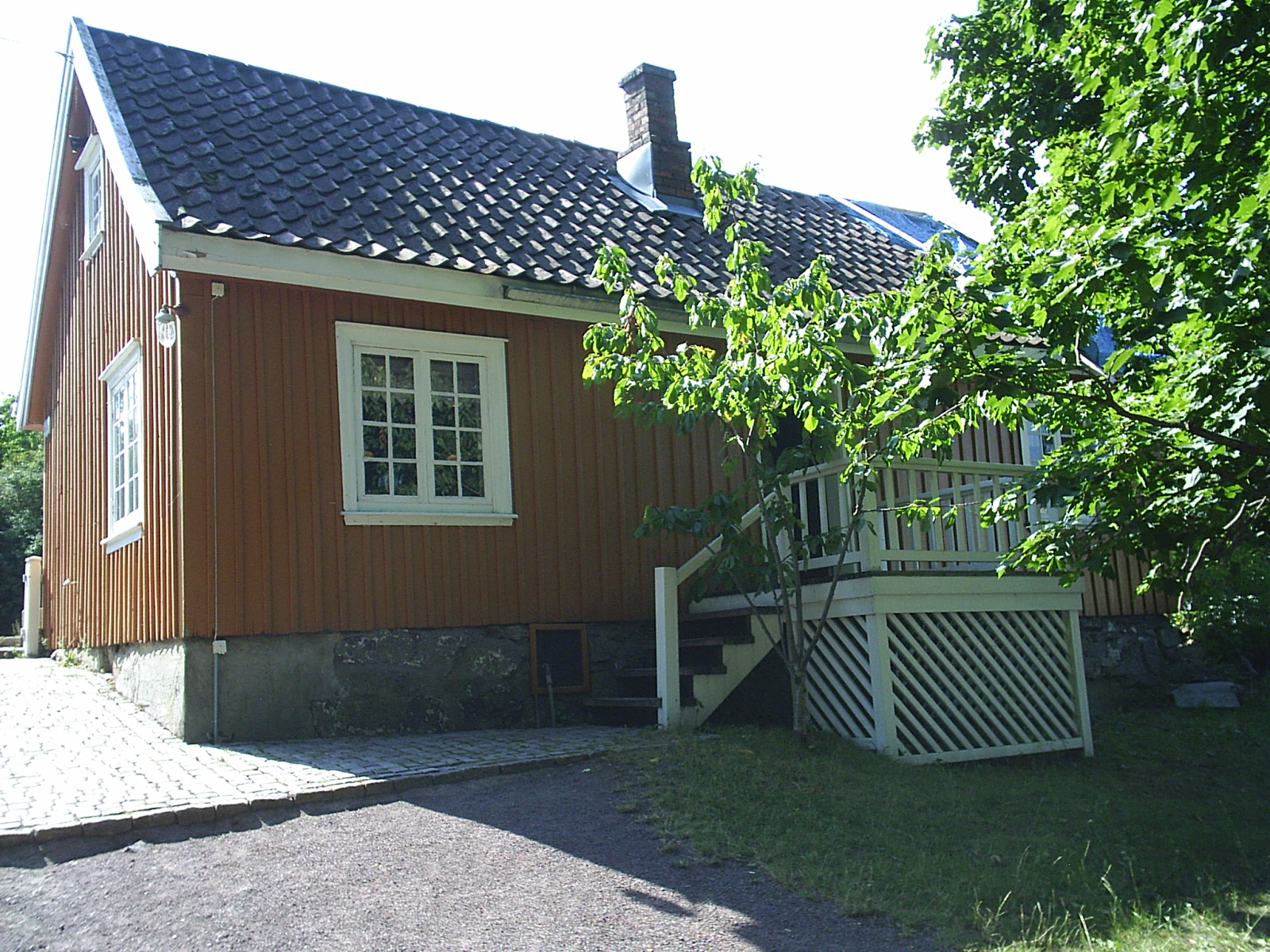
Edvard Munch's House in Åsgårdstrand is a small wooden house by the Oslofjord and the only preserved home of the great Norwegian painter. Munch bought it in 1898 and named it "Lykkehuset", the Happy House. Today it is a small museum run by Vestfoldmuseene (Vestfold Museums). Where is Munch's house? The house stands in Åsgårdstrand, a coastal village in Horten municipality in Vestfold, roughly an hour's drive south of Oslo. The address is Edvard Munchsgate 25. Narrow lanes, low timber houses and the nearby water form a setting that inspired the painter for years. Why is this house special? Munch changed addresses often during his life, and many of his homes have not survived. The house in Åsgårdstrand is the one that has. Its interiors have been kept as they were when the artist lived here, and a number of his personal belongings can still be seen inside. Visitors therefore see not only art but also the everyday surroundings in which it was made. The name "Happy House" shows how much the place meant to him. Åsgårdstrand returned again and again in his work: summer light, coastal scenery and the mood of the small town run through paintings from this period. Is the studio original? No. Munch's original studio was demolished, and the building you see today is a replica. It is worth knowing when you walk around the garden and outbuildings, yet the rebuilt studio still helps you picture how the artist worked. How to visit The house is a small museum open to the public. A visit is short, so it pairs well with a stroll around Åsgårdstrand and the surrounding coast. Opening hours depend on the season and change, so check the current details on the Vestfoldmuseene website before you travel. The house is generally open more often in summer than in the off-season. In town you can also look in at the town hall, which hosts a digital Munch exhibition and a museum shop. Frequently asked questions Is this the only Munch home you can visit? It is the only preserved home where the artist lived. Other Munch sites, such as the museums in Oslo, are different in nature and mainly hold his artworks. When did Munch buy the house? In 1898. Some sources give the year before, but 1898 is the date most often cited. What does Lykkehuset mean? It is Norwegian for "the Happy House", the name the painter gave his summer home in Åsgårdstrand. Is the studio authentic? No, it is a replica. The original studio was pulled down and later recreated on the same grounds. Is it worth the trip from Oslo? Yes, if Munch's life and work interest you. The house is modest, but it offers a rare chance to see where the artist really lived, in the coastal scenery that inspired him. Who is it for? Art lovers, anyone curious about Norwegian history, and travellers who enjoy quiet, intimate places away from the main tourist routes. The visit takes little time, so it fits easily into a day trip along the fjord coast.
-
Vigeland Hus
Mandal
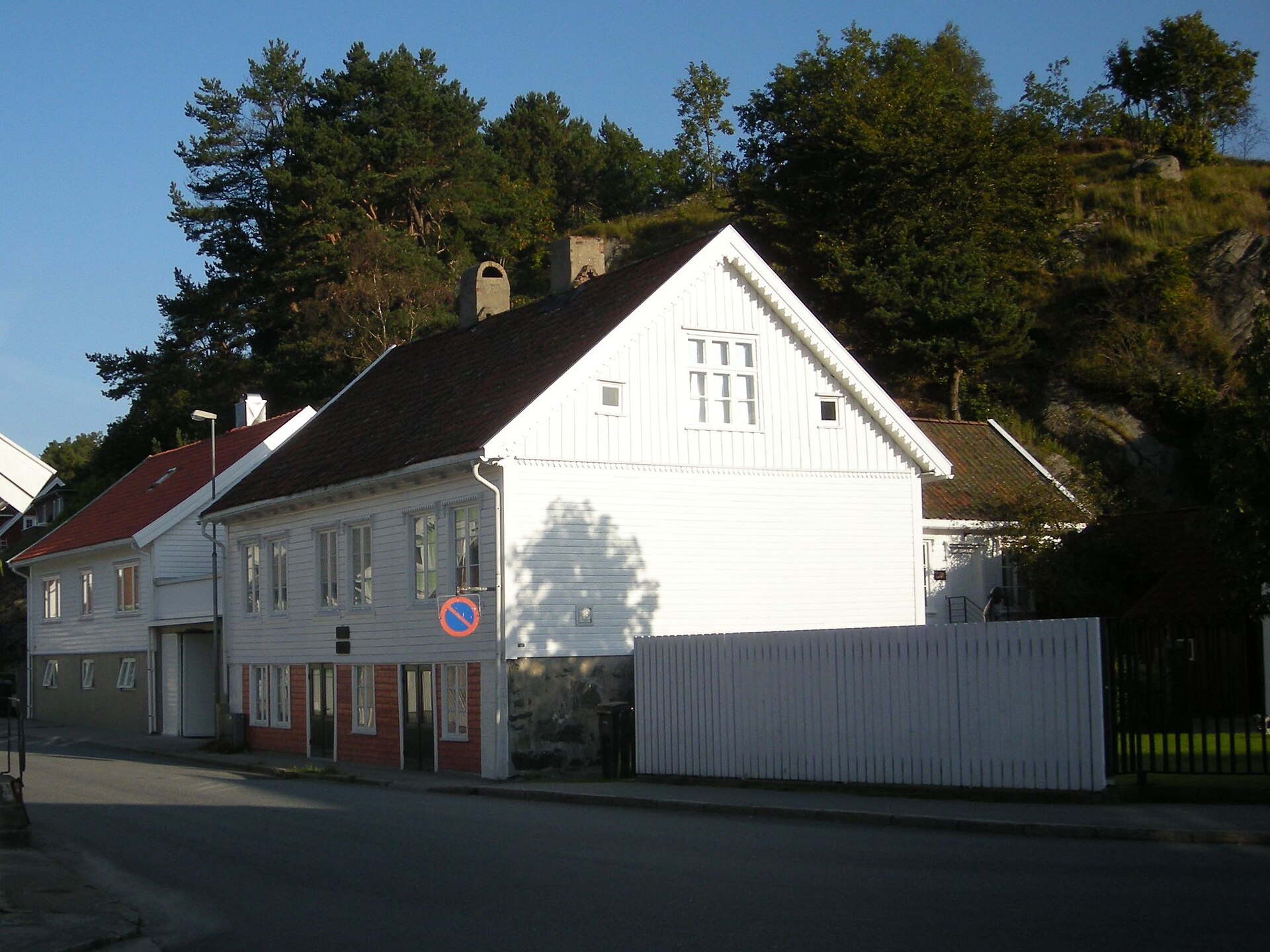
Vigeland Hus in Mandal is the childhood home of Gustav Vigeland, one of Norway's most important sculptors. The wooden house stands in the Støkkan area, among the older buildings of the town centre in southern Norway, and is run as part of the Mandal museum. What is Vigeland Hus? This is the house where the brothers Gustav and Emanuel Vigeland grew up, two artists whose reputations reach far beyond Norway. Gustav was born in Mandal and lived here until he was about fifteen. Today the house lets visitors see the surroundings that shaped a future sculptor known for symbolic and Art Nouveau works. Why visit? The brothers' father ran a cabinetmaker's business with a workshop at the back of the house. It was here that young Gustav learned the craft of woodcarving. That detail matters because it marks the start of the artist's path, from hands-on work in a family workshop to the monumental compositions he is famous for. He later became a pupil of Rodin, and his name is tied to the Vigeland installation (Vigelandsanlegget) in Frogner Park in Oslo, one of the most visited attractions in Norway. He also designed the medal given to Nobel Peace Prize laureates. The house also hosts an exhibition of Gustav Vigeland's woodcuts, which complements the story of his workshop training and working methods. What is the visit like? Visits are usually guided, with a focus on the artist's upbringing and life. Group tours can be booked at both Vigeland Hus and the nearby Andorsengården, a merchant house built between 1801 and 1805 that holds the Mandal Museum. In summer the museum and the house have been open daily, but hours change from year to year, so check the Vest-Agder museum website for current details. Frequently asked questions Was Gustav Vigeland really born in Mandal? Yes. Both the Vigeland Museum in Oslo and the Norwegian encyclopedia name Mandal as his birthplace, though they describe the exact part of the area differently. Is this the same as the Vigeland park in Oslo? No. Frogner Park in Oslo holds the large sculpture installation, while Vigeland Hus in Mandal is the modest home where the artist spent his childhood. What else is nearby? Combine the visit with the Mandal Museum at Andorsengården and a walk through the wooden houses of the old town centre, where much of the historic small-town atmosphere has survived. Who is it for? People interested in art history, craftsmanship and artist biographies, as well as families looking for a calm, small-scale attraction in Mandal. The visit is short, so it fits easily into a longer stroll around town. Do I need to book? Individual visitors usually just turn up during opening hours, while groups can arrange a guided tour in advance.
-
Sporveismuseet Vognhall 5
Oslo
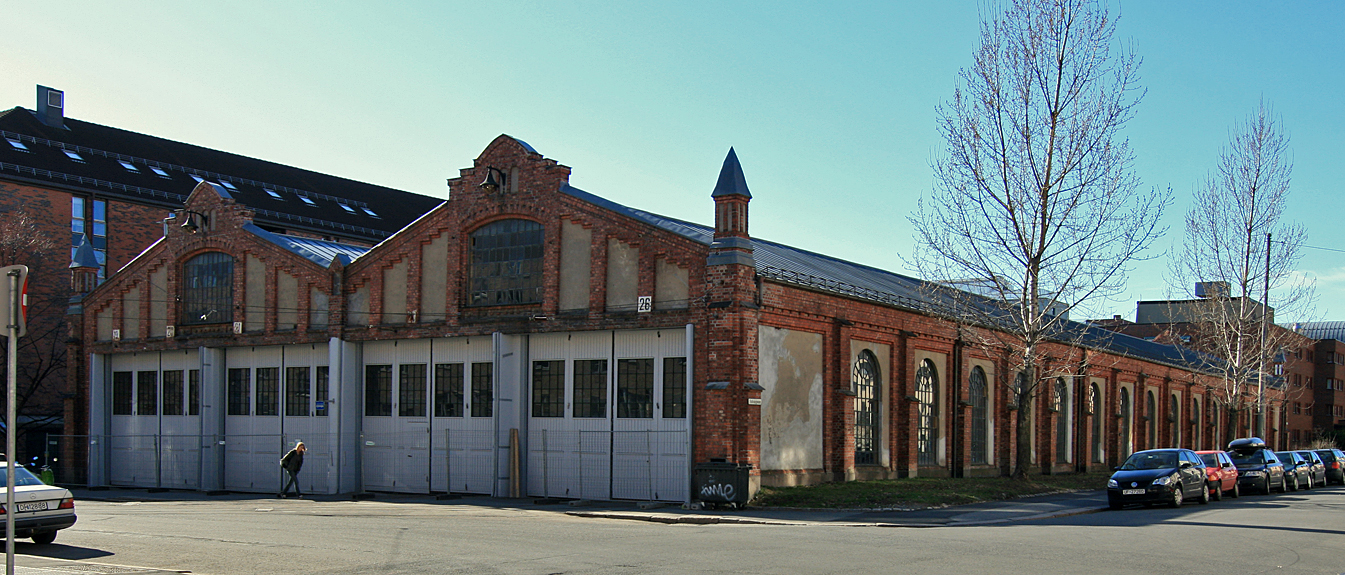
Sporveismuseet Vognhall 5 is the tram museum of Oslo, housed in a former tram depot in the Majorstuen district. It holds one of Norway's largest collections of vintage trams and buses, and it is run by public transport history enthusiasts together with the city operator Ruter. What is Sporveismuseet Vognhall 5? The name translates roughly as "Tramway Museum, Vehicle Hall 5". The depot building dates from 1913, when it was put up for Kristiania Elektriske Sporvei, the company that ran electric trams in what was then Kristiania, today's Oslo. The museum opened in 1985. Visitors therefore see the vehicles inside a hall that is itself a piece of industrial heritage, dating from the years when trams were the backbone of the capital's transport. What can you see? The collection includes about 25 tramcars, several trolleybuses and around ten motor buses. The vehicles come from different eras, so walking between them shows how designs, interiors and passenger comfort changed over time. Some of the older cars have wooden interior details, while newer models reflect the periods when the network was expanded and modernised. Trolleybuses are a rarity, because this kind of transport never became widespread in Norway, so many visitors find them a pleasant surprise. Do the trams still run? Yes, and this is one of the biggest draws. The museum's tracks connect to the city tram network near Majorstuen, which lets historic cars leave the hall and run on the streets. Vintage trams operate on the first Sunday of each month. The museum also maintains a short heritage line of roughly 300 metres at Vinerbro, where you can get a feel for rides of the past. Who is it for? Railway, tram and engineering fans who want to see the vehicles up close. Families with children who will enjoy climbing into the interiors of old cars. Anyone curious about Oslo's history and how the city grew alongside its public transport. Photographers who like industrial spaces and period colour schemes. Getting there The museum is in Majorstuen, in the north-western part of central Oslo, right by a tram route. You can arrive by tram, for example line 11 to the Majorstuen stop, or by metro. It is a short trip from the centre, so a visit combines easily with a walk around the neighbourhood and its cafes. Frequently asked questions How long does a visit take? An hour to an hour and a half is enough to see the hall at a relaxed pace. Allow longer if you like reading about the vehicles and taking photos. When is the museum open? Opening hours are limited and change with the season, usually covering a few afternoons a week. Check the current calendar on the museum's official website before you go. Is it a large museum? It is a compact place set in a single depot hall. The strength of the exhibition is the variety of vehicles rather than the size of the building. Who runs the museum? The Lokaltrafikkhistorisk Forening society operates it together with Ruter, and volunteers do much of the work. Can I combine it with other sights? Yes. Majorstuen is close to Frogner Park with its Vigeland sculptures and to other districts full of cafes and shops, so the museum fits well into a walking day in Oslo. Summary Sporveismuseet Vognhall 5 is a friendly, authentic stop for anyone who wants to see how public transport in Oslo looked over past decades. A historic depot, a collection of trams, trolleybuses and buses, and the chance of a ride on selected Sundays make it worth a visit during a stay in the Norwegian capital.
-

Eiktunet
Gjøvik
Eiktunet is an open-air local history museum on a hill above Lake Mjøsa in Gjøvik, Norway. Part of Mjøsmuseet since 2006, its buildings show how people lived and farmed in this area in past centuries. What is Eiktunet? It is a museum without exhibition halls. Visitors walk between historic buildings that were moved here and set on a slope with a wide view over Mjøsa, Norway's largest lake, and the surrounding countryside. A visit is a stroll from farmstead to farmstead at whatever pace you choose. Where does it come from, and why that name? The museum was founded in 1954 to preserve buildings from the former municipalities of Vardal and Snertingdal. Over time, objects from Biri were added to the collection. The name comes from the former farm Eik, on whose land the museum stands. What can you see? The collection holds around 35 buildings from the region, dating from 1650 to 1850. Some sources give a slightly lower count of 33, so the exact figure depends on how buildings are counted. These are rural structures relocated from their original sites and gathered in one place to keep them from being lost. If you are interested in traditional timber building in the Mjøsa region, this is a chance to see it up close. A café in a historic building The café is housed in the Sevald building, which dates from the 1750s. It is a spot to rest after a walk, inside a structure that is itself part of the collection. Events through the year Eiktunet is more than a set of buildings. Seasonal events include midsummer celebrations, a Christmas market and a Halloween event. If you want to see the museum in a livelier mood, plan your visit around one of these dates. Frequently asked questions Where is Eiktunet? At Øverbyveien 108, 2825 Gjøvik, on a hill overlooking Mjøsa. Is the site open all year? The outdoor area is open at all times. Fixed opening hours for the museum itself apply only in summer. Can groups visit outside the season? Yes, groups can book a visit year-round. How long does a visit take? Because everything is outdoors, it is up to you. A walk among the buildings with a coffee break is a sensible plan for part of a day. Is it part of a larger institution? Yes, since 2006 Eiktunet has been part of Mjøsmuseet. Who is it for? People who enjoy everyday history, traditional timber architecture and quiet walks with a lake view. It makes a good stop during a stay in Gjøvik, especially in the warmer months, when the museum keeps set opening hours and you can sit down in a historic interior at the café.
-
Brekkeparken
Skien
Brekkeparken is a hillside park above central Skien in Telemark, Norway, and also an open-air museum belonging to the Telemark Museum. Entry to the grounds is free, and you can stay as long or as briefly as you like. What is Brekkeparken? The grounds cover roughly 14.5 hectares and are laid out as an English-style landscape garden, with winding paths, mature trees, lawns and quiet corners. The park doubles as an outdoor museum. Its buildings show how life in the region used to look, and the greenery means history and everyday city recreation blend together naturally. What can you see here? The centrepiece is the Søndre Brekke manor. Before the museum opened in 1909 it served as a farm and a grand home for several prominent Skien families. Nearby stand traditional Telemark farmhouses, and the park also has a playhouse, a pavilion and a duck pond that makes a pleasant place to pause. When should you go? The park is best known for its tulips. In May around 27,000 of them bloom, a striking sight against fresh spring greenery. In summer, seasonal flower beds take over, so the garden keeps changing through the warm months. The grounds are open all year, while the museum and cafés keep their own opening hours, which are worth checking on the park's website before you go. Views and walking Because the park sits on a rise, its upper parts look out over the town and the Telemark Canal. It is a good spot for a short, relaxed stroll while exploring Skien, with no need to leave the centre. Visiting with children There is a playground and a café, so a visit fits easily into a family outing. Children can run around while adults rest among the greenery. History and Ibsen Guided tours cover the manor and the connection between Henrik Ibsen and Skien, the town where he was born. If literature and Norwegian history interest you, that is one more reason to stop by. Exhibitions and tour schedules change, so check the museum for current details. Frequently asked questions Is entry to Brekkeparken free? Yes, the park itself is free to enter. The museum and services such as cafés or guided tours may have separate rules. How much time should I plan? About an hour is enough for a relaxed walk. If you want to see the manor and farmhouses and stop at the café, set aside half a day. When is the best time to visit? May is the most spectacular month, when the tulips bloom. In summer the park is filled with seasonal flowers, and the grounds are open year-round. Is it a good place for families? Yes. There is a playground, a duck pond and a café, and the grounds are spacious and easy to walk. Where is the park? On a hill above central Skien in Telemark, southern Norway, with views over the town and the canal.
-
Skøytemuseet
Oslo
Skøytemuseet (the Skating Museum) is a small museum in Oslo devoted to the history of speed skating, one of Norway's most beloved winter sports. It sits next to Frogner Stadium, close to Frogner Park. Where is Skøytemuseet? The museum occupies the building adjacent to Frogner Stadium in western Oslo, not the stadium itself. The same building houses an ice skate shop, locker rooms and a café, so a visit combines easily with skating or a walk around the area. Norwegian tourist pages place it near Middelthuns gate. Listings give the address slightly differently, so check it before you go. What can you see inside? The exhibition focuses on the history of Norwegian speed skating. You will find historic photographs, equipment and medals won by the country's champions. The names featured include Axel Paulsen, Oscar Mathisen, Ivar Ballangrud and Hjalmar Andersen. The collections of prizes from Paulsen and Mathisen, two of Norway's most famous skaters, are especially extensive. If you only know skating from Olympic broadcasts, this is a good chance to see how equipment changed and what competition looked like when Norway set the standard in the sport. What is the history of the museum? The first skating museum was founded in 1914, and it has existed in its current form since 1985. Its story is tied to the skating tradition of the neighbourhood: Frogner Stadium opened in 1901 and was moved to its present site in 1914. It was built by the Oslo Skøiteklub, and the City of Oslo took it over in 1928. Before the Second World War it was the centre of Norwegian speed skating, and in 1927 Sonja Henie won her first world championship here. Should you combine the visit with Frogner Stadium? Yes. The stadium is a municipal sports facility used year-round for football, athletics, bandy and skating. The winter rink is usually open from November to March, depending on the weather. If you visit Oslo in winter, you can see the exhibits and then step onto the ice yourself. When can you visit? The museum closes over Christmas and New Year, on public holidays and in summer. Opening hours differ between sources, so check the current times on the official website or Visit Oslo before you go. Frequently asked questions Is the museum open in summer? According to available information, no, it is closed during the summer. Always verify current hours. Is there a café nearby? Yes, the same building has a café, along with a skate shop and locker rooms. Is it a good place for families? The museum is intimate, and the stadium and Frogner Park offer plenty of space for a stroll. In winter you can also use the ice rink. Do you need to know about skating? No. The collections present the sport's history in an accessible way, and the champions' names are a good starting point for learning about Norwegian winter culture. Practical tips Plan about an hour if you want to see the collections without rushing. Frogner Park and Vigeland's famous sculptures are a short walk away, making the museum a natural stop on a stroll through western Oslo. In winter, bring warm clothes and, if you like, rent skates on site. For fans of sports history, Skøytemuseet is one of the more interesting, little-known stops in the Norwegian capital.
-
Nobel Peace Center
Oslo
The Nobel Peace Center in Oslo is a museum devoted to the Nobel Peace Prize and the ideals it stands for. It sits in the heart of the Norwegian capital on City Hall Square (Rådhusplassen), directly across from the City Hall where the prize ceremony takes place every year. What is the Nobel Peace Center? It is more than an exhibition about laureates. The institution presents itself as an arena where culture and politics meet, encouraging visitors to engage, debate and reflect on war, peace and conflict resolution. A visit feels less like a stroll through a traditional history museum and more like a conversation about the issues shaping the world today. Where is it and how do you get there? The center stands on Rådhusplassen, beside the waters of the Oslo fjord, in the city centre (coordinates 59.91161, 10.73023). The City Hall is right there, so it is easy to combine both in a single walk. Most downtown sights are a short walk away. Which building houses the museum? The museum occupies the historic Vestbanen building, dating from 1872. The former railway station stands opposite the City Hall, so the place where the prize is awarded and the place that tells its story are separated only by the width of the square. What can you see inside? The permanent exhibition follows the history of the Nobel Peace Prize from 1901 to the present day. One element is a light installation in which every laureate has a place of their own. Alongside it, temporary exhibitions explore the laureates, Alfred Nobel and the history of the prize, as well as wider themes of peace and conflict. Who is it for? readers interested in 20th and 21st century history and international affairs, families and school groups looking for an exhibition that sparks conversation, anyone exploring central Oslo who wants to learn more about a prize they know from the news. Frequently asked questions Is the Nobel Peace Center the same as Oslo City Hall? No. The City Hall is a separate building where the ceremony is held. The center is across the square, in the Vestbanen building. Does the museum only cover laureates? No. Besides the history of the prize and its laureates, it addresses war, peace and conflict resolution. Are opening hours and ticket prices fixed? They vary by season and event, and sources disagree. Check the official website, nobelpeacecenter.org, before your visit. How much time should I plan? Usually from several dozen minutes to two hours, depending on how closely you read the exhibits and whether a temporary exhibition is on.
-
Norsk klippfiskmuseum
Kristiansund
Norsk klippfiskmuseum (the Norwegian Klippfish Museum) in Kristiansund is dedicated to klippfish, salted and dried cod that was for centuries one of the most important export goods of this part of Norway. The museum is housed in the historic warehouse Milnbrygga on the island of Gomalandet and is part of Nordmøre Museum. What is klippfish and why does this museum exist? Klippfish is cod that is salted and then dried in the open air and sun, traditionally on rocks and in dedicated drying yards. Fish treated this way could survive long voyages, which is why it reached markets in southern Europe for generations. Kristiansund has been tied to this product for more than three centuries, and the museum tells the story in a place where the fish was actually stored and traded. Cod-drying techniques reached this area in 1691, and production has been continuous since 1730. Many of the early entrepreneurs in the trade were Scots. What is the Milnbrygga building like? Milnbrygga is a log-built warehouse with long galleries, standing so close to the water that boats can tie up directly alongside. The oldest section of the pier was built in 1749 by the Scottish merchant William Gordon. It takes its name from a later owner, Walter Miln, who according to Norwegian sources bought it in 1772. The building is a fine example of merchant harbour architecture and is worth seeing even apart from the exhibition. What will you see inside? The displays rely mainly on photographs. Many were taken by Ernst Schwitter, who documented life and work in Kristiansund in 1950. The pictures show how the fish was prepared and how many people the industry involved. They make it easy to see that klippfish was not just food but the economic backbone of the town and its growth. The museum is not only about looking. Visitors can taste fish prepared in the traditional way, and the programme also includes festivals and activities for children. It is a good choice for families and for anyone who wants to meet local cuisine together with its history. Does the tradition still exist? Yes, though on a much smaller scale than before. Klippfish production continues in the region, and the museum helps preserve knowledge of the craft and the people behind it. It also offers a counterpoint to a town's typical attractions: instead of art or church architecture, it shows the everyday work and trade on which Kristiansund built its position. Frequently asked questions Where is the museum? In Kristiansund on the west coast of Norway, on the island of Gomalandet, in the Milnbrygga building (coordinates about 63.115 N, 7.739 E). Who runs it? It is part of Nordmøre Museum. What does klippfish mean? It is salted, dried cod, a traditional Norwegian export product. Who built the oldest part of the pier? The Scottish merchant William Gordon, in 1749. Can I try local fish? Yes, the museum lets visitors taste fish prepared in the traditional way. Check opening hours and current visiting rules before you go, as the museum may open seasonally. Who is it for? Fans of maritime history, documentary photography, regional food, and families with children who will enjoy the activities on site. Summary Norsk klippfiskmuseum is a small but substantial lesson in the history of Norway's fish trade. A historic timber warehouse on the water, archive photographs and a tasting add up to a coherent story of how dried cod shaped Kristiansund. If you are visiting the town, it is worth an hour of your time.
-
Nordic Bible Museum
Oslo
Nordic Bible Museum (Nobimu) is a Bible museum in central Oslo and the first of its kind in the Nordic countries. It stands at Nedre Slottsgate 4C and shows books that were translated, copied and printed over many centuries. It suits anyone interested in the history of the book, language and religion. What is the Nordic Bible Museum? It is run as a foundation with its own board. Its purpose is to make the content of the Bible accessible and known to a wide audience. The museum is financed through charity work, private funds and gifts. It was started by Bible collector Rune Arnhoff, and his collection formed the core of the exhibition. The museum opened on 31 May 2018 (the museum's own press release gives 1 June). What can you see? The main collection holds over 4,500 Bibles, while a 2022 museum press release speaks of more than 6,000. Highlights include: an edition of Gustav Vasa's Bible from 1541, an original page from a Gutenberg Bible, a Latin Bible from 1487, handwritten pages from around 1250. Together these items trace the road from manuscript to print. You can see how script, page layout and craftsmanship changed over time. Visiting The museum is open six days a week. A guided tour is included in the admission price, so you can hear the story of the collection at no extra cost. Check nobimu.no for current hours and prices. The virtual museum Since 2022 Nobimu has also offered an online version. It has 12 uniquely modeled virtual rooms and more than 100 selected Bibles. It is a good way to prepare for a visit or to explore the collection from home. Frequently asked questions Where is the Nordic Bible Museum? In central Oslo, at Nedre Slottsgate 4C. When did it open? In 2018, as the first Bible museum in the Nordic countries. Does the guided tour cost extra? No, it is included in admission. Can I visit online? Yes, a virtual museum with 12 rooms and over 100 Bibles has been available since 2022. Who created the collection? Collector Rune Arnhoff started it. Who is it for? The museum will appeal to lovers of old books, printing history and Scandinavian culture. It also fits easily into a walk through central Oslo, and a guided visit does not take much time.
-
Jernaldergarden Stavanger
Stavanger
Jernaldergarden Stavanger (Jernaldergården, the Iron Age Farm) is a reconstructed farmstead built on the very site where archaeologists uncovered the remains of a real settlement. It lies about 3 km from central Stavanger, near the Ullandhaug hill, and is regarded as the only attraction of its kind in Norway. The site sits at roughly 58.9414 N, 5.6939 E. What is Jernaldergarden? It is an archaeological site combined with an open-air museum. The farm dates to the Migration Period, roughly 350–550 AD. Rather than looking only at drawings and display cases, visitors can walk among reconstructed buildings and get a sense of what daily life for a farming family might have looked like before the Viking Age. How was the site discovered? The remains of the farmstead were excavated in 1967–1968. Based on those findings, the buildings were reconstructed in 1972–1973 on the original site. That means the reconstruction does not stand in an arbitrary spot but exactly where people lived more than a thousand years ago. What can you see there? The farm consists of timber longhouses with turf roofs. Sources differ on some structural details, so it is worth paying attention to the information boards and the guide's explanations. A visitor centre with an exhibition and a café is on site, making it easy to combine the visit with a break. Are there guided tours? Yes. Tours are given in Norwegian and English. On certain days, especially Sundays, there are often demonstrations of old skills and food cooked over an open fire. It is a good chance to see how people managed cooking, crafts and everyday life in the demanding Norwegian climate without modern conveniences. When is the best time to visit? The farm is closed in winter, although booked groups can visit all year round. Opening hours and season dates change, so check current information on the official website before you go. The same goes for the address: sources list two different street names, so confirm the right one before you start navigating. Frequently asked questions Are these the original buildings? No. The buildings were reconstructed in 1972–1973, but they stand on the original archaeological site that was excavated beforehand. What period does the farm come from? The Migration Period, roughly 350–550 AD, the era before the Viking Age. How far is it from central Stavanger? About 3 km, so getting there from the city does not take long. Are tours available in English? Yes, tours run in both Norwegian and English. Can I get food or coffee there? There is a café at the visitor centre. Is it open all year? Not for everyone. It is closed to regular visitors in winter, while groups can visit with a booking. Check the current schedule before your trip. Who is it for? Jernaldergarden suits anyone interested in history and archaeology, families with children looking for a living history lesson, and travellers who want to see a side of Stavanger beyond the harbour and old town. Combined with a walk around the Ullandhaug area, a visit makes for a few relaxed hours among greenery, and it helps you understand how life on Norway's south-western coast looked long before the city took its present form. Take your time, listen to the guide and look closely at how the houses are built, because those details best show how resourceful the region's early inhabitants were.
-
Astruptunet
Sunnfjord
Astruptunet is the former farmstead of painter Nikolai Astrup, set on the shore of Lake Jølstravatnet in Vassenden, in Sunnfjord municipality (Vestland, Norway). Today it is a museum where you can see the place where one of Norway's notable artists lived and worked. What is Astruptunet? It is a cluster of buildings and land on the hilly lakeshore, surrounded by lush greenery. In 1912 Nikolai Astrup bought Sandalstrand, an old cotter's farm now known as Astruptunet. Over about fifteen years he reshaped the buildings and the surrounding land into his own project, where house, garden and landscape became part of his creative work. What will you see? The homestead offers a journey through Astrup's life and work. His works shown here are on deposit from Sunnfjord municipality. The collection passed by descent to Engel Astrup (1892-1966), and Jølster municipality acquired it between 1965 and 2020. Since 2020 the museum has been run by Sunnfjord municipality. A separate thread is the textile art of Engel Astrup, which has received renewed attention in recent years. It is a good complement to the painting, because it shows the creative output of a whole family rather than a single artist. When can you visit? The museum is open from mid-May to mid-September. There is a café and a gift shop on site. Check opening hours and ticket prices on the museum's website before you go, as they can change. Getting there and accessibility The access road from the parking lot is a steep, narrow gravel path without guard rails, built by Nikolai Astrup himself. It is not recommended for wheelchair users. Wear sturdy shoes and allow some extra time for the walk up. Frequently asked questions Where is Astruptunet? On Lake Jølstravatnet, in Vassenden, Sunnfjord municipality, Vestland county in western Norway. Is it suitable for families? Yes. The homestead tells the story of the artist's life and work and appeals to art lovers and families alike. Just keep the steep path from the parking lot in mind. Is there a café? Yes, there is a café and a gift shop on site. What else is nearby? About 20 km from Astruptunet is the Eikaas Gallery, which hosted an exhibition on Jølster weaving. When is the best time to visit? During the season, from mid-May to mid-September, when the museum is open.
-
Norwegian Fishing Industry Museum
Melbu
The Norwegian Fishing Industry Museum is a national museum in Melbu, on the island of Hadseløya in the Vesterålen archipelago of northern Norway. It occupies the former Neptun herring oil factory and tells the story of how fish shaped the economy of the coast. Why visit this museum? Many museums show objects behind glass. Here the building itself is the biggest exhibit. You walk through a real industrial plant where, for decades, herring and other fish were turned into oil and meal. It is a rare chance to see what Northern Norway's industrial fishing economy actually looked like on the inside. What was the Neptun factory? The plant was founded in 1910 by Christian Frederiksen, a businessman nicknamed the "king of Melbu". When it opened, it counted among the most modern herring oil factories in Norway. It produced herring oil and fish meal. The oil went into products such as margarine and industrial lubricants, and during the war it was also used in making nitroglycerine. The factory ran under several owners until 1987. Its end was tied to the collapse of capelin stocks in the mid-1980s, which hit fish meal and oil plants all along the coast. Neptun was no exception. How did the museum come about? The museum has operated since the early 1990s (one account gives spring 1991). It holds some technical equipment and other cultural-history material from the fishing industry, but the emphasis is on experiencing the site and presenting information rather than on collecting objects for their own sake. It is part of Museum Nord, and the factory complex has been protected as a representative example of Northern Norway's industrial fishing heritage. What you can see and do The story of a fish, from sea to table. The exhibition follows the raw material from the catch to the plate. Industrial interiors. Halls, tanks and machinery give a sense of the scale and hard labour of the work. Guided visits. In summer, guided tours are offered and included in the ticket price. A concert hall in a tank. One of the disused oil tanks, called the "Royal Neptune Hall", hosts concerts thanks to its reverberation, which lasts several seconds. Frequently asked questions Where is Melbu? Melbu lies in Hadsel municipality in Vesterålen, just north of the Lofoten islands, at roughly 68.50° N, 14.81° E. How much time should I plan? Allow at least an hour and a half for an unhurried guided visit. If a cultural event is on, stay longer. Is it good for families? Yes, provided the children enjoy industrial spaces and stories of the sea. Ask on site about the current tour programme and opening hours, as they vary by season. Does the site have historical significance? Yes. Neptun is one of the few well-preserved witnesses to the era of industrial herring processing, and it shows how a single species of fish could shape whole communities in northern Norway. Practical tips Melbu is easiest to reach by car from Lofoten or from elsewhere in Vesterålen. Check opening hours and tour times before you go, especially outside the summer season. Bring warm clothing, because the interiors of the old factory can be chilly even in midsummer. The museum pairs well with a day exploring nearby villages and landscapes in Vesterålen. It suits anyone who wants to understand where Norway's bond with the sea and its fish comes from, and to see it within authentic industrial walls rather than a sterile gallery.
-
Troms Forsvarsmuseum
Setermoen
Troms Forsvarsmuseum is a military museum in Setermoen, in the municipality of Bardu in Troms, northern Norway. It tells the story of the armed forces in this part of the country and belongs to the Midt-Troms Museum network. For anyone interested in military history and hardware, it is one of the more rewarding stops in inland Troms. What is Troms Forsvarsmuseum? It is a thematic museum devoted to the Norwegian armed forces. The collection centres on military vehicles and equipment, and the displays cover roughly three hundred years of army presence in the area. The museum is part of Midt-Troms Museum, a consolidated institution spanning nine municipalities in the Midt-Troms region, and is one of the five year-round thematic museums in that network. What can you see? The exhibition follows military history through several themes: equipment in use since Troms Landforsvar was founded in 1897, material from the 1940 campaign, including the battles for Narvik, gear from the occupation years of 1940-1945, Cold War equipment, an exhibition on international operations involving Norwegian soldiers. Together these show how weapons and the role of the army changed, from local defence, through the Second World War, to modern missions abroad. Vehicles outdoors A signature feature is the collection of vehicles displayed outside. A geocaching description mentions around forty historic military vehicles, from jeeps to modern main battle tanks. That figure comes from a user-generated source, so treat it as approximate. For vehicle enthusiasts and photographers, this is the most striking part of a visit. Where is Setermoen? Setermoen is the administrative centre of Bardu and lies in the Bardu valley beside the E6, the main road of northern Norway. That makes the museum easy to add to a drive through Troms, for example between Narvik and Tromso. The area has long been associated with the military, which explains why a defence museum stands here. Practical tips Opening hours are listed differently by different sources and may vary by season, so check with the operator, Midt-Troms Museum (mtmu.no), before you go. Part of the display is outdoors, so dress for the weather, which can change quickly in northern Norway. Allow one to two hours for a visit. Frequently asked questions Is the museum open all year? Yes, it is one of Midt-Troms Museum's year-round thematic museums, but confirm hours before travelling. What are the main exhibits? Mostly vehicles and equipment used by the Norwegian armed forces. What period does the collection cover? From the founding of Troms Landforsvar in 1897, through 1940 and the occupation, to the Cold War and international operations. Where exactly is the museum? In Setermoen, in Bardu municipality, in the Troms region of northern Norway.
-
Småflaskemuseet
Oslo
Småflaskemuseet, known in English as the Mini Bottle Gallery, is a museum of miniature bottles in central Oslo, at Kirkegata 10. According to the available sources, it is the only museum of its kind in the world. It opened in 2003 on the initiative of Christian Ringnes, a Norwegian businessman and collector nicknamed the "Mini Bottle King". What kind of museum is it? The collection holds tens of thousands of small liquor bottles from around the world. Sources give different totals: Store norske leksikon mentions about 50,000 items, while Atlas Obscura cites more than 53,000. A large share is on display, and the rest is kept in what the museum calls its bottle vault. The exhibits are not lined up on plain shelves. They are arranged in more than 50 themed installations across three floors, covering roughly 1,000 square metres. A visit feels like walking through a series of stage sets rather than looking at an ordinary display case. What will you see inside? a pub built entirely from miniature bottles, a "horror cave" that you can reach by sliding down, a sports room, a model railway, a tongue-in-cheek installation themed around a brothel. The mix of humour, unusual scale and collector's passion puts the museum on lists of Norway's quirky museums. It is often recommended to travellers who want something beyond the standard capital sightseeing route. Getting there and when to visit The museum sits in the city centre on Kirkegata, close to the main sights of central Oslo, so it fits easily into a walking route. According to VisitNorway, regular public opening is on Saturdays and Sundays from 12:00 to 16:00. On Thursday and Friday evenings an afterwork programme runs from 16:00 to 22:00. At other times guided tours can be booked, and the space can be hired for private events. It is worth checking the official website for current hours before you go. Who is it for? It suits couples, groups of friends, families with teenagers and anyone who enjoys offbeat collections. Because some installations have a humorous, adult theme, it is not a typical exhibition for small children. A visit usually takes about an hour, though the amount of detail makes it easy to stay longer. Frequently asked questions Who founded Småflaskemuseet? Christian Ringnes, a Norwegian businessman and collector, in 2003. Where is the museum? In central Oslo, at Kirkegata 10. How many bottles are in the collection? Sources range from about 50,000 to more than 53,000 miniature bottles, arranged in over 50 installations. Is it really the only museum of its kind? According to the available descriptions, yes, it is the world's only miniature bottle museum. Can I get a guided tour? Yes, guided tours can be booked outside the regular opening hours.
-
Oslo skolemuseum
Oslo
Oslo Skolemuseum (Oslo School Museum) is a museum of school history housed in Møllergata skole, a primary school in central Oslo. Instead of display cases alone, it offers full classrooms from different eras, so you can get a feel for what school used to be like. Where is Oslo Skolemuseum? The museum sits in a historic building on Møllergata, about a 10-minute walk from Oslo Central Station. The school opened in 1861 as Nordre Skole, designed by architect Jacob Wilhelm Nordan, and it is the city's oldest primary school. In 2017 the Norwegian Directorate for Cultural Heritage (Riksantikvaren) protected the rehabilitated exterior, the courtyard and the interiors of some rooms and stairwells. What can you see? The main draw is the permanent exhibitions on the history of education in Oslo. They cover town schools from their beginnings and schooling in the capital from around 1890 to the late 1970s. The museum recreates authentic classrooms from three periods: 1900, 1958, Comparing the three rooms shows how desks, teaching aids and lesson styles changed. Other displays cover school meals, wood workshops, needlework, school kitchens, health education and physical education. How did the museum begin? The story starts in 1900. Kristiania's public schools won the Grand Prix at the Paris World Exhibition, and objects from the display were placed at Møllergata school. This led to the founding of Kristiania Folkeskolers Museum. In 1921 the teachers' union Norges Lærerlag, together with the municipality and the state, set up the Norwegian School Museum, which was housed in the school's attic. Because the school lacked space, part of the collections was deposited at the Norwegian Museum of Cultural History in 1970, and most of the rest was discarded. The library went to the University Library in 1964. The present Oslo Skolemuseum opened on 23 May 2000 in the former headmaster's residence, after renovation in 1998-1999. Since 2014 the museum has occupied the whole building. Frequently asked questions Is admission free? According to tourist listings, entry is free. When is it open? Hours have been limited: Thursdays from 12:00 to 18:00 and the last Sunday of the month from 12:00 to 16:00 were listed. One listing, however, says the museum is temporarily closed, so check its current status on the museum's website before you go. Who is it for? Anyone interested in the history of Oslo, education and everyday life. It also works as a short stop on a walk through the centre, near the Central Station. Is the building protected? Yes, parts of the exterior, the courtyard and selected interiors have been under heritage protection since 2017. Good to know The museum is small and focused on one theme, so a visit does not take long. Its greatest value lies in the recreated classrooms, which let you set three eras of Norwegian schooling side by side. If you are curious how the lives of children and teachers in Norway's capital changed over the twentieth century, this place shows it in a simple, tangible way. Because opening hours are limited and may change, plan ahead and confirm your date before setting out.
-
Holmenkollen Ski Museum
Oslo
The Ski Museum in Oslo (Skimuseet) is the oldest ski museum in the world. It was founded in 1923 and sits at the foot of the Holmenkollbakken ski jump, on the hills above the Norwegian capital. It is a natural stop for anyone who wants to understand why skis mean more in Norway than just a sport. What will I see at the museum? The exhibition covers thousands of years of skiing history. It starts with prehistoric rock carvings, which show that people travelled on skis long before the sport as we know it existed. From there the story follows the development of equipment, from simple wooden boards to modern designs, and on to the gear used on polar expeditions. In one place you get everyday life in the old North, sport and exploration side by side. The museum marked its 100th anniversary in 2023, and the whole building has been renovated. The visit is comfortable and the displays feel contemporary. Why combine the visit with the ski jump? The museum stands at the base of Holmenkollbakken, one of the most recognisable ski venues anywhere. The jump tower follows the same opening schedule as the museum, so it is easy to plan a single visit. After the exhibition you can go up the tower and see the city and the Oslo fjord from the athletes' point of view. For many visitors, pairing the history with the place where that history is still being made is the best part of the trip. How do I get there? The simplest way is by metro: take line 1 to Holmenkollen station, then walk about 10 minutes uphill. The museum also has its own car park, where you can leave a car for 48 hours free of charge. Opening hours and tickets Hours depend on the season. From October to April the museum is open 10:00 to 16:00, and from May to September 10:00 to 17:00. On some days, such as 17 May, Christmas Eve and New Year's Eve, hours can be shorter. You can buy tickets online or on site, and a ticket bought in advance only needs to be scanned at the entrance. Prices change, so check the current price list on the official website. Frequently asked questions Is this really the oldest ski museum in the world? Yes, the museum, founded in 1923, is regarded as the oldest of its kind. Where exactly is it? At the base of the Holmenkollbakken ski jump, in the northern part of Oslo. Does the jump tower have different hours from the museum? No, both follow the same schedule. How much time should I plan? A few hours is usually enough for a relaxed visit to the exhibition, more if you add the tower and the walk from the metro station. Arrive early in winter, when daylight is short. Can I buy a ticket on site? Yes, tickets are sold both online and at the museum.
-
Stein skole
Neskollen
Stein skole is a former primary school in the municipality of Nes, in the Romerike region of Akershus, Norway. Today it is a museum nicknamed "Eventyrskolen", the "Fairytale School". The building stands by the E16 road, west of the village of Vormsund, and forms part of Nes samlinger (Nes Collections), run by Museene i Akershus (MiA). What is Stein skole? The school was in regular use from 1912 to 1972, although one source gives 1971/72 as the final school year. An ordinary village schoolhouse became something special because of what happened inside it in the 1930s, when well-known Norwegian artists decorated its walls and interiors. Who created the decorations? The artists named include Reidar Aulie, Dagfinn Werenskiold, Birgit Abrahamsen and Henrik Sørensen. The project was driven by the teacher Erling Elverhøy and the writer Ingeborg Refling Hagen. According to tourism listings, the interiors still look fresh and well preserved, so visitors can see them much as pupils did in past decades. What else is there to see? Next door stands an older schoolhouse dating from 1852. It was moved about 500 metres in the 1970s and protected by Nes municipality in 1978. On a single site you can therefore compare two eras of Norwegian rural education: a nineteenth-century classroom and an early twentieth-century school with artist-made interiors. Tourism information also mentions a café in the former barn and a shop. Guided tours are offered in the summer season. How to plan your visit Getting there: the school lies by the E16 in Nes municipality, in Romerike near Vormsund. A car is the most convenient way to arrive. Opening times: these vary by season. One listing says the school is open only in summer, so check current details with MiA (mia.no/nes) before you travel. Who it suits: lovers of twentieth-century Norwegian art, the history of education, and quiet, unusual museums away from the main tourist routes. Frequently asked questions Why is it called the Fairytale School? The nickname "Eventyrskolen" refers to the remarkable interior decoration that sets it apart from ordinary village schools. When did it operate as a school? From 1912 to 1972. Who runs the site? Nes samlinger, part of Museene i Akershus (MiA). Is there a café? Yes, according to tourism listings it is in the former barn. Days and hours change, so check before visiting. How far is it from Oslo? Nes is in Romerike, east of Oslo, but travel time depends on the route and road conditions, so check it in your navigation app.
-
Henrik Ibsen Museum
Skien
Henrik Ibsen Museum in Skien is a museum devoted to Norway's most famous playwright, set in the town where he was born. It is part of Telemark Museum, a regional museum in south-eastern Norway, and tells the story of Henrik Ibsen's childhood in Telemark. Who was Henrik Ibsen, and why Skien? Henrik Ibsen was born in Skien in 1828 and spent his first years here. His plays became a permanent part of world theatre, making him one of the central figures of European literature. The museum shows the surroundings in which he grew up and how his home town may have shaped the work that followed. The childhood home at Venstøp farm The heart of the story is Venstøp, a summer farm in Gjerpen a few kilometres north of the town centre. When Henrik was seven, the whole Ibsen family moved there. It remained their home until he left for Grimstad at the age of 15. Venstøp is the only one of Ibsen's homes in Skien that still stands, which gives it special value for anyone interested in history and literature. A new look at the writer's childhood For a long time it was assumed that Ibsen grew up in poverty and shame. Research by Telemark Museum conservator Jørgen Haave suggests the family was better off than believed: they had servants and a spacious house with room for guests. This changes the picture of the writer's early years and is one of the themes the museum wants to share with visitors. Is the museum open at Venstøp right now? Not fully. From 2025 to 2028 the Henrik Ibsen Museum is temporarily housed in Brekkeparken in Skien, while Venstøp is a major construction site. The barn is being converted into a year-round museum and the main house restored to the period when Ibsen and his family lived there. The new museum is due in 2028, the 200th anniversary of the writer's birth. Frequently asked questions Where is the museum? In Skien, in the Telemark region of Norway. Its temporary home is currently in Brekkeparken. Can I see Ibsen's childhood home? Venstøp is the only surviving Ibsen family home in Skien, but there is no permanent exhibition there during the rebuilding. Check Telemark Museum's current information before you visit. Who is it for? Theatre and literature lovers, anyone interested in Norwegian history, and travellers in Telemark who want to find the roots of one of the great playwrights. When will the new museum open? The planned opening is 2028, the 200th anniversary of Henrik Ibsen's birth. How much time should I allow? A few hours is usually enough for the temporary exhibition and a stroll through Brekkeparken, but opening hours and ticket prices should be confirmed with the museum.
-
Lillesand Town- and Maritime Museum
Lillesand
Lillesand Town- and Maritime Museum (Lillesand By- og Sjøfartsmuseum) is the local history museum of Lillesand, a small coastal town in Agder county on Norway's southern coast. It tells the story of the town through its ships, its merchant houses and the everyday life of the people who lived here. What is the museum about? The museum is devoted to the cultural history of Lillesand, with a strong focus on the sea. Shipbuilding, seafaring and the way the town developed from the 1800s onwards are the main themes. The collections include ship models, paintings and displays of crafts and daily work. Where is it and who runs it? The museum stands in the centre of Lillesand, in the municipality of the same name. It was established in 1970. For a period it belonged to a wider regional museum organisation, but since 2012 it has again been run by Lillesand Municipality. Anne Sophie Hoegh-Omdal has served as museum director since 1 May 2010. What will I see in the main building? The museum is housed in Carl Knudsen-gården, an old merchant's property. The main house dates from 1827 and is built in the Empire style. Inside, rooms are furnished as a middle-class home of the late 1800s, the period Norwegians call "klunketiden". You will find a large collection of tools, kitchen utensils and furniture from the nineteenth century. What is in the courtyard? The outbuildings, dating from 1833, contain workshops, a smithy, a stable and a cowshed. A rope-driven carpentry workshop, moved here from another part of town, still works. In the cowshed there is a small, original cinema, an unusual find in a museum courtyard. Is there anything beside the harbour? Yes. The old customs house by the harbour holds a customs museum, along with a studio and space for art exhibitions. It is worth combining with a stroll along the waterfront. Exhibitions and events Exhibitions change during the summer season. One season, for example, focused on notable men of Lillesand, including Hans Jacob Grøgaard and the rebel Kristian Lofthus. The museum also organises lectures and other events, and part of its collection can be browsed online through DigitaltMuseum. Practical information The museum lies at coordinates 58.2496, 8.3792, in the centre of Lillesand. Opening hours vary by season and the main season is summer, so check the museum's current schedule before you go. Frequently asked questions When was the museum founded? In 1970. What style is the main building? Empire, dating from 1827. Is there more than one building to visit? Yes: the main house, the courtyard outbuildings from 1833 and the former customs house by the harbour. What is the museum's main theme? The cultural and maritime history of Lillesand, including shipbuilding and seafaring. Who owns the museum today? Lillesand Municipality, since 2012.
-
Kunstmuseet Kube
Ålesund
Kunstmuseet KUBE is the county art museum of Møre og Romsdal, located in the heart of Ålesund at Apotekergata 16. Its coordinates are roughly 62.47 N, 6.15 E, a short walk from the waterfront and the town's Art Nouveau streets. What is this place? KUBE is the regional art museum for the whole of Møre og Romsdal county. It builds, looks after and presents a collection with a strong focus on Norwegian and Nordic Art Nouveau, along with art connected to the region. Several exhibitions are held each year, so the programme changes with the season and it is worth checking what is on before you go. What building does the museum occupy? The museum is housed in a former Norges Bank branch office built in 1906. In 2005 the building was remodelled so it could serve as an art museum. An early twentieth-century building now hosts contemporary and historical art, and it fits naturally into the character of the neighbourhood. Why so much Art Nouveau in Ålesund? In 1904 a huge fire devastated Ålesund. The rebuilding in the years that followed gave the town its distinctive look, and it is now one of the most characteristic Art Nouveau environments in Europe (Jugendstil in Norwegian). The museum therefore sits in a place that is itself a showcase of the style, which fits well with its collection. How does KUBE relate to the Art Nouveau Centre? KUBE is a neighbour of the Art Nouveau Centre (Jugendstilsenteret). The Centre occupies the Apotekergården, a building completed in 1907 that originally combined a pharmacy and a residence. Together the two institutions form the Kulturkvartalet foundation. According to the regional tourism organisation Fjord Norway, the museum also holds a national responsibility for Art Nouveau. In practice, one area lets you take in both the architecture and interiors of the era and the art of the region. Frequently asked questions Where is Kunstmuseet KUBE? In central Ålesund at Apotekergata 16, next to the Art Nouveau Centre. What is KUBE? The county art museum of Møre og Romsdal, with a collection focused on Norwegian and Nordic Art Nouveau and art connected to the region. What building is the museum in? A former Norges Bank branch from 1906, remodelled in 2005 for the museum. Do the exhibitions change? Yes, several exhibitions are staged each year. Is the museum linked to the Art Nouveau Centre? Yes, the two together form the Kulturkvartalet foundation. What are the opening hours? Hours vary by season, so check the museum's official information or tourism listings before visiting.
Earn badges for the places you visit
Download NextOnTrip, discover new places and check off your trails.