About this place
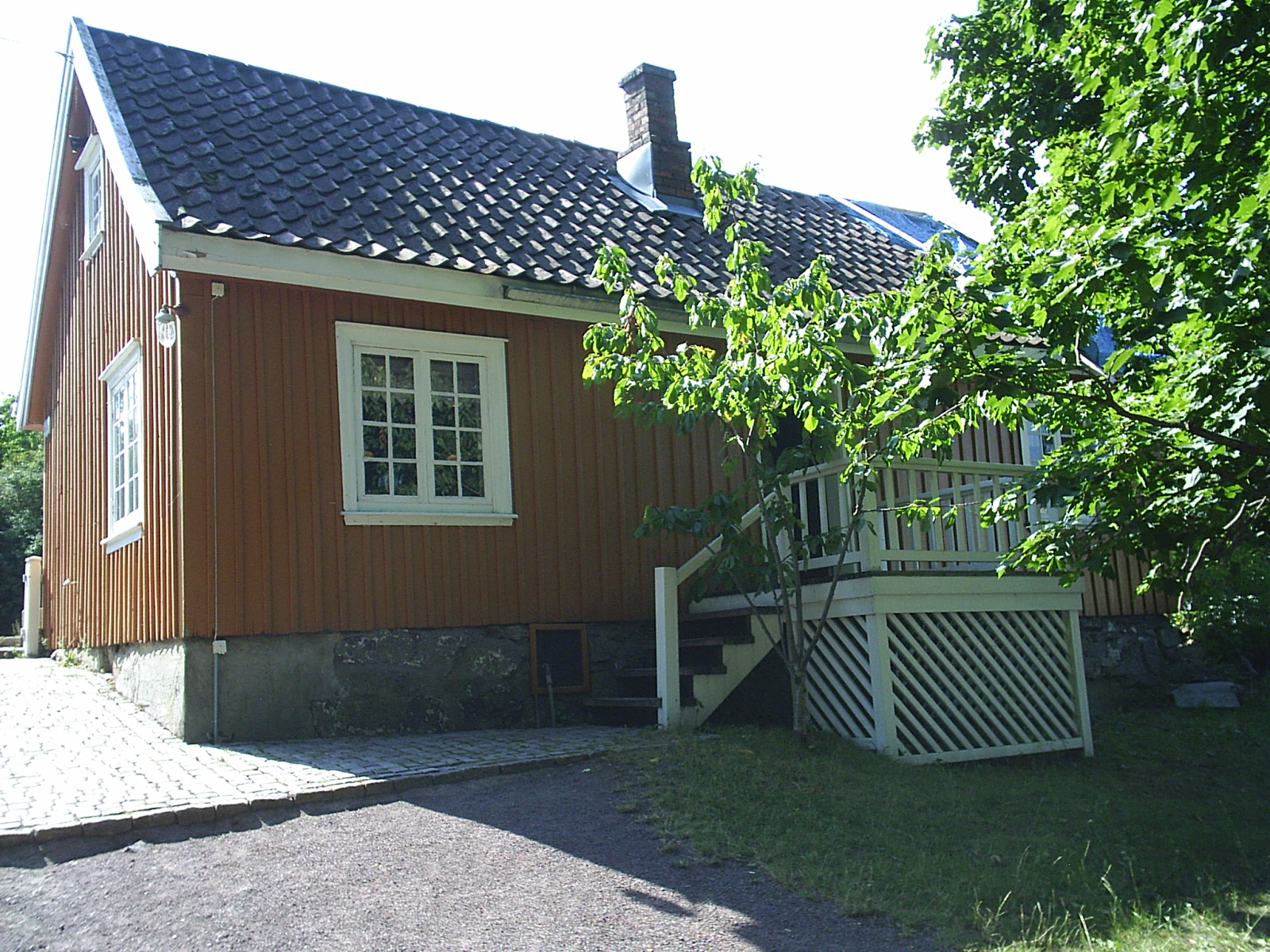
Edvard Munch's House in Åsgårdstrand is a small wooden house by the Oslofjord and the only preserved home of the great Norwegian painter. Munch bought it in 1898 and named it "Lykkehuset", the Happy House. Today it is a small museum run by Vestfoldmuseene (Vestfold Museums).
Where is Munch's house?
The house stands in Åsgårdstrand, a coastal village in Horten municipality in Vestfold, roughly an hour's drive south of Oslo. The address is Edvard Munchsgate 25. Narrow lanes, low timber houses and the nearby water form a setting that inspired the painter for years.
Why is this house special?
Munch changed addresses often during his life, and many of his homes have not survived. The house in Åsgårdstrand is the one that has. Its interiors have been kept as they were when the artist lived here, and a number of his personal belongings can still be seen inside. Visitors therefore see not only art but also the everyday surroundings in which it was made.
The name "Happy House" shows how much the place meant to him. Åsgårdstrand returned again and again in his work: summer light, coastal scenery and the mood of the small town run through paintings from this period.
Is the studio original?
No. Munch's original studio was demolished, and the building you see today is a replica. It is worth knowing when you walk around the garden and outbuildings, yet the rebuilt studio still helps you picture how the artist worked.
How to visit
The house is a small museum open to the public. A visit is short, so it pairs well with a stroll around Åsgårdstrand and the surrounding coast. Opening hours depend on the season and change, so check the current details on the Vestfoldmuseene website before you travel. The house is generally open more often in summer than in the off-season. In town you can also look in at the town hall, which hosts a digital Munch exhibition and a museum shop.
Frequently asked questions
Is this the only Munch home you can visit?
It is the only preserved home where the artist lived. Other Munch sites, such as the museums in Oslo, are different in nature and mainly hold his artworks.
When did Munch buy the house?
In 1898. Some sources give the year before, but 1898 is the date most often cited.
What does Lykkehuset mean?
It is Norwegian for "the Happy House", the name the painter gave his summer home in Åsgårdstrand.
Is the studio authentic?
No, it is a replica. The original studio was pulled down and later recreated on the same grounds.
Is it worth the trip from Oslo?
Yes, if Munch's life and work interest you. The house is modest, but it offers a rare chance to see where the artist really lived, in the coastal scenery that inspired him.
Who is it for?
Art lovers, anyone curious about Norwegian history, and travellers who enjoy quiet, intimate places away from the main tourist routes. The visit takes little time, so it fits easily into a day trip along the fjord coast.
Nearby places

Earn badges for the places you visit
Download NextOnTrip, discover new places and check off your trails.