About this place
Žumberk Castle is a striking medieval ruin perched on a rocky outcrop above the Ležák stream (also known locally as the Holetínka), right beside the market town of Žumberk in the Pardubice Region, near Częstkov in eastern Bohemia. Free and open year-round, it rewards visitors with a genuinely eventful history stretching back more than seven centuries, packed into what is now a fairly compact hilltop ruin.
Where does the name come from?
The castle was built around the turn of the 13th and 14th centuries and was originally known by its German name, Sunenberg (Sonnenberg) — "sun mountain." Over time the name drifted into the form Sommerberg, or "summer mountain," before the Czech name Žumberk eventually took hold. Its very first recorded owner was, fittingly for the period, a robber knight who used the stronghold to control the surrounding countryside on the edge of the Iron Mountains.
How many owners did the castle have?
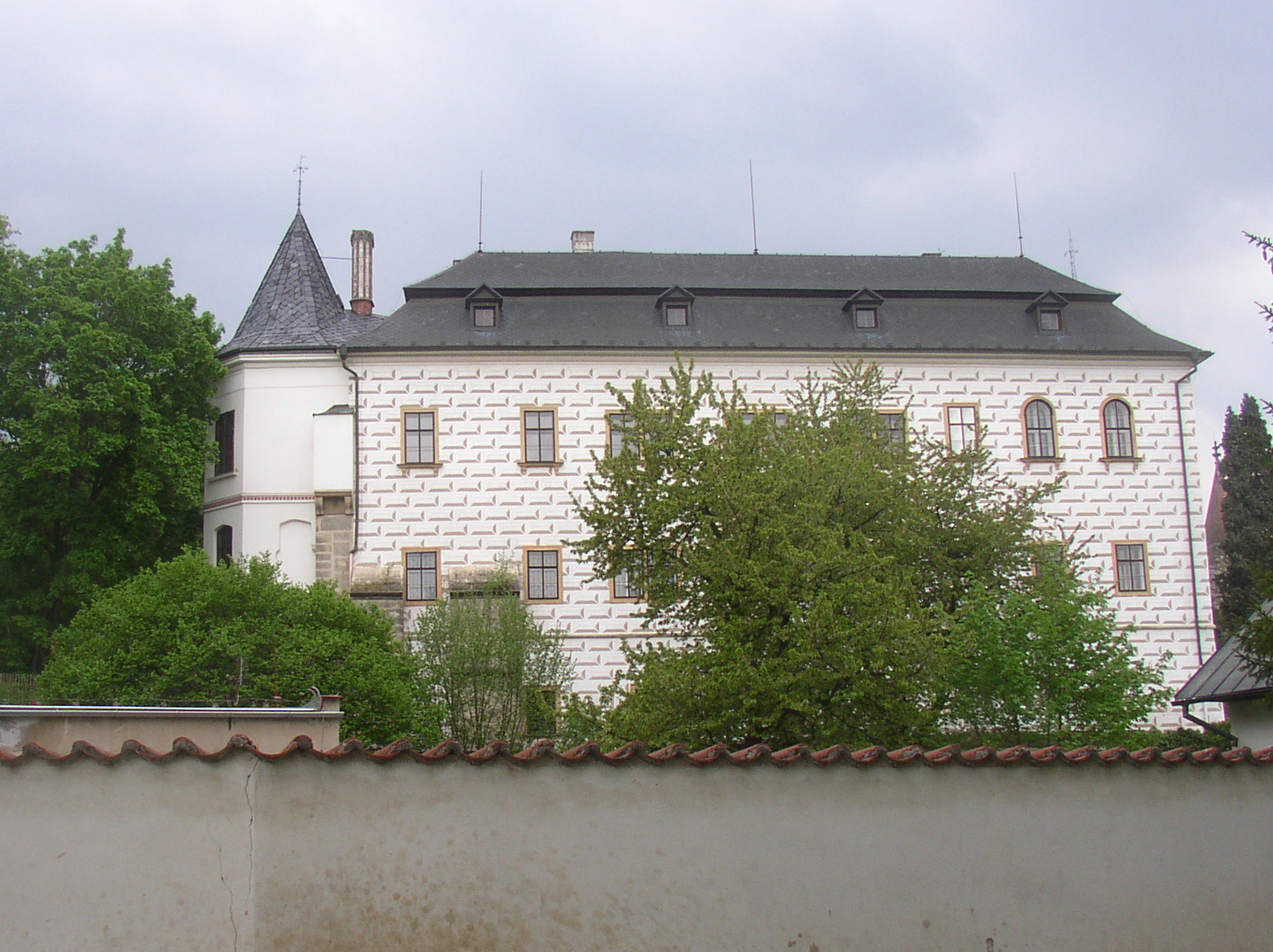
Ownership passed through many hands over the centuries. In the 14th century it belonged to a branch of the noble Lords of Boskovice. By the early 17th century the estate had been split between two separate owners, and it took until 1623 for Lidmila Zárubová of Lobkovice to reunite both halves under a single title. Toward the end of the 16th century, while the castle belonged to Václav Záruba of Hustiřany, it underwent a Renaissance-style reconstruction — traces of that work, including sgraffito decoration and vaulted ceilings, still survive on site today.
What brought the castle down?
Bandits set the castle on fire in 1509, though it was subsequently rebuilt and modernized in the Renaissance style that still defines its surviving fragments. Its real decline came later and was gradual rather than sudden. In 1700 the property was bought by František Josef Schönfeld of Nasavrky, who showed little interest in maintaining it; by 1757 records already describe it as abandoned. A physician is known to have lived among its walls between 1760 and 1770, but by the close of the 18th century the structure was being dismantled piece by piece, its stone repurposed for buildings in the town of Žumberk itself.
Who saved the ruins in the 20th century?
The castle's fortunes changed only in the 20th century. After 1920 it passed into the care of the Club of Czech Tourists, which carried out the first stabilization work on the surviving walls and fortifications, formally overseeing the site from 1926 to 1948. That intervention is the main reason the ruin has survived in a condition safe enough to explore today.
What is left to see on site?
The original fortress followed a pentagon-shaped layout, ringed by a deep moat, with a service courtyard adjoining the main structure. What remains now are sections of the perimeter walls, remnants of the moat, vaulted chambers, and the Renaissance sgraffito applied during the 16th-century rebuild. The market town of Žumberk currently maintains the site, and access to the ruins is free and unrestricted.
Frequently asked questions
Where exactly is Žumberk Castle located? The ruins stand on a hill above the Ležák stream, next to the market town of Žumberk and Częstkov, in the Pardubice Region of eastern Bohemia.
Is there an entrance fee? No — the site is freely and permanently accessible, with no admission charge.
When was the castle built? Construction dates to the turn of the 13th and 14th centuries, when the site was known under its German name, Sunenberg.
What original features can still be seen? Fragments of the pentagon-shaped perimeter walls, remains of the moat, vaulted rooms, and Renaissance sgraffito from the 16th-century reconstruction.
Nearby places

Earn badges for the places you visit
Download NextOnTrip, discover new places and check off your trails.