About this place
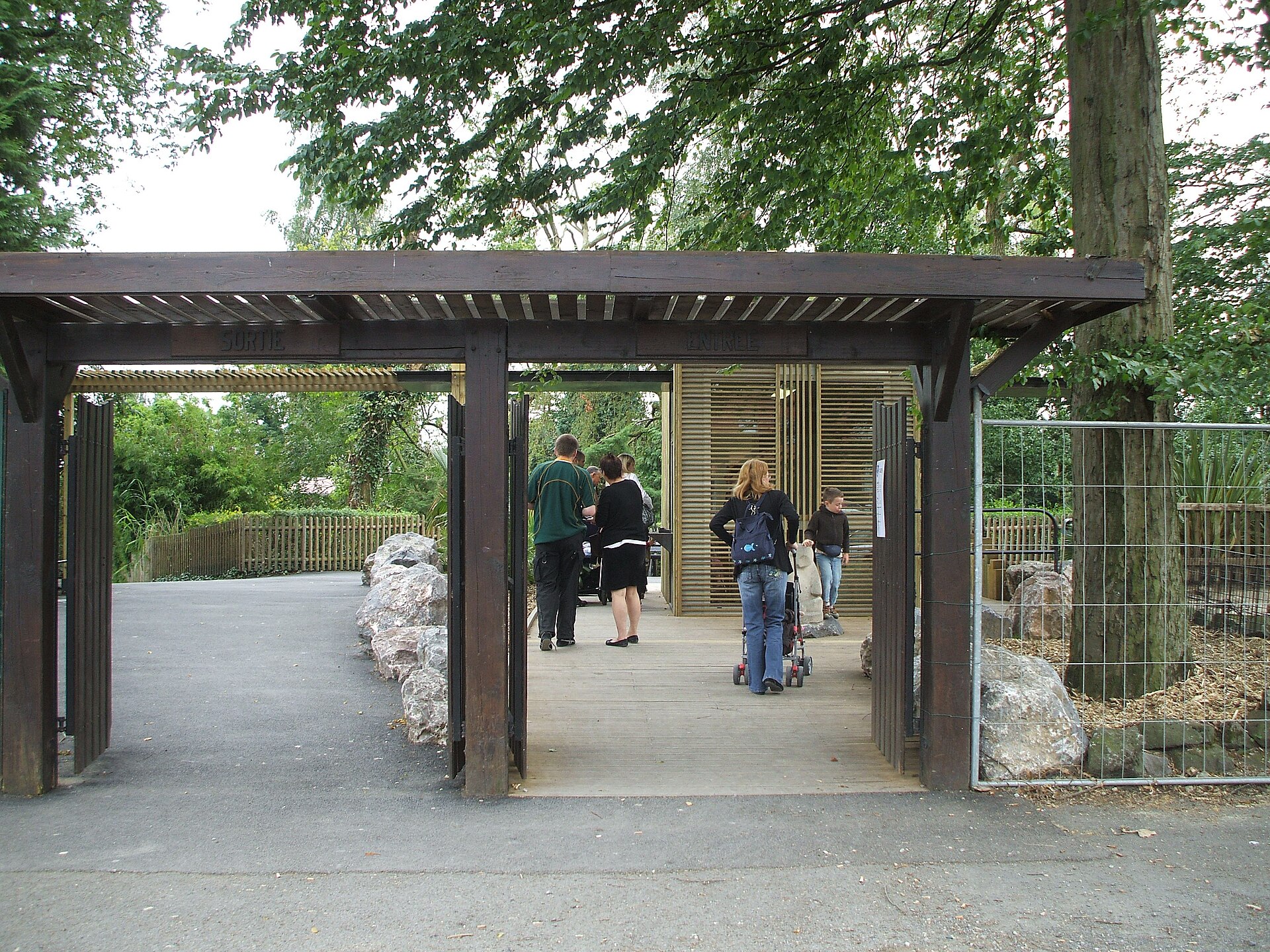
Zoo de Maubeuge sits in the heart of Maubeuge, a town in the Nord department of the Hauts-de-France region in northern France. Covering 7 hectares, the park is built right at the foot of the town's historic 17th-century Vauban ramparts, giving it a striking historic backdrop rarely found at a European zoo. It ranks among the leading tourist attractions of the Avesnois area, drawing tens of thousands of visitors every year.
How did the zoo come to be?
The park's story began in 1955, when Dr. Pierre Forest, then deputy mayor of Maubeuge, established a rose garden known as the "Jardin de la Roseraie" on the site. Over time this garden evolved into the zoological park that stands today, still occupying its original position within the town's old fortified walls. The Vauban ramparts, structures that earned UNESCO recognition elsewhere in France, provide a distinctive, scenic setting for the animal enclosures.
Which animals live at the zoo?
More than 300 animals from around 70 species and all five continents call the park home. Among its most notable residents are the Asiatic lion, the Sri Lankan leopard, and the Sumatran tiger — species considered rare not only in the wild but also in captivity worldwide. Visitors can also spot servals, hippopotamuses, spectacled bears, Arctic wolves, southern cassowaries, several species of macaw, and fennec foxes, the small desert-dwelling foxes known for their oversized ears. This mix of rare and charismatic species makes the zoo appealing both to families and to dedicated wildlife enthusiasts.
What can visitors do during a visit?
During school holidays (Zone B and Belgian school breaks), as well as on Wednesdays and weekends, the zoo runs commentated feeding sessions for selected species, giving visitors a chance to learn about animal diets and behaviour directly from the keepers. For those wanting a deeper experience, the park offers "behind the scenes" tours, where guests accompany an education officer to help prepare food rations, enrichment activities, and feedings. Exclusive VIP visits are also available for anyone seeking closer, more personal contact with particular animals.
The grounds include picnic areas, a children's playground, and a small refreshment stand, making it easy to spend a full day at the zoo without ever leaving the grounds.
Does the zoo support conservation?
Yes — 20 cents from every individual and group ticket goes directly into a conservation fund, which is then redistributed to organisations working to protect endangered species around the world. As a result, a visit to the park carries an educational and charitable dimension that goes beyond simply viewing the animals.
When is the zoo open?
The park operates seasonally, with opening hours that change throughout the year. During the spring and early autumn months — March, April, May, June, and September — the zoo is open daily from 10 a.m. to 6 p.m. It's worth checking the current schedule before visiting, since hours can differ during other parts of the year.
Frequently Asked Questions
How many animals can you see at Zoo de Maubeuge? The park is home to more than 300 animals from about 70 species representing all five continents, including species that are rare both in the wild and in captivity, such as the Asiatic lion and the Sri Lankan leopard.
Does the zoo hold feeding demonstrations? Yes, commentated feeding sessions for selected animals take place during school holidays and on Wednesdays and weekends, led by the park's keepers.
Is the zoo suitable for children? Very much so — the grounds include a playground, picnic areas, and a refreshment stand, and the wide variety of species keeps younger visitors engaged throughout the visit.
Where exactly is the zoo located? The park is located in the centre of Maubeuge, at the foot of the town's historic 17th-century Vauban ramparts, in the Nord department of the Hauts-de-France region.
Earn badges for the places you visit
Download NextOnTrip, discover new places and check off your trails.