About this place
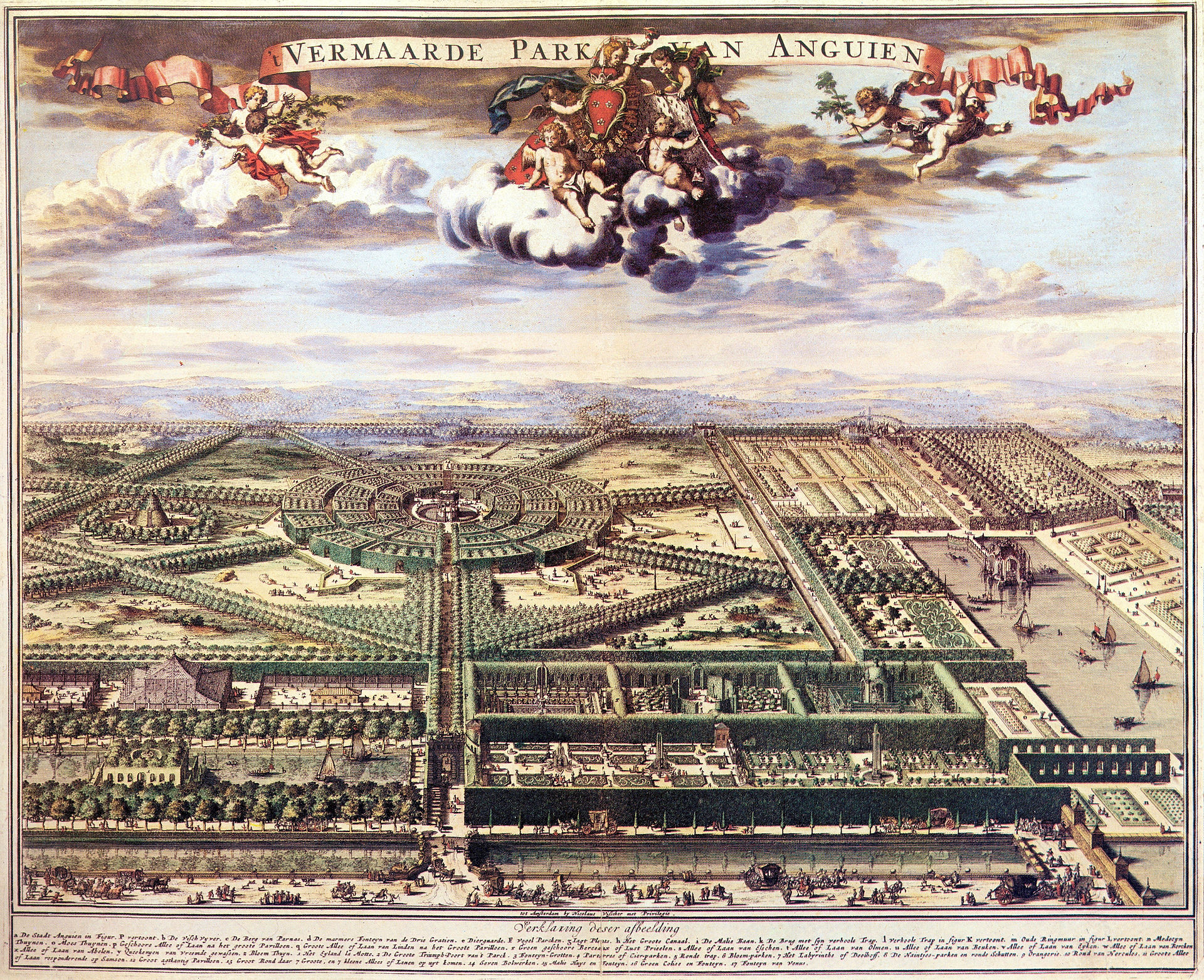
Parc d'Enghien is one of the oldest and most notable landscape parks in Belgium, covering roughly 182 hectares in the town of Enghien (Edingen in Dutch), in Wallonia near the border with Flanders. Its history stretches back to the 17th century and is closely tied to two aristocratic families who shaped its present appearance over the following centuries.
Who founded the park?
The park was laid out between 1630 and 1665 on the initiative of the House of Arenberg. Already in the 17th century it was regarded as one of the finest gardens on the European continent, admired for the scale of its design and the way its layout stood apart from other aristocratic estates of the period. The Arenberg family retained ownership of the land until the 20th century, gradually reshaping and expanding the original garden as tastes and fashions changed.
What role did the Empain family play?
At the start of the 20th century the estate passed to François Empain, brother of the well-known Belgian industrialist Baron Édouard Louis Joseph Empain. The purchase came with a condition: a new residence had to be built on the grounds. That obligation was fulfilled in 1913 with the construction of a distinctive Louis XV-style château, designed by architect Alexandre Marcel. Under the Empain family, the park was also enriched with numerous statues and decorative features, many of which have survived to the present day.
Where do the Egyptian sphinxes come from?
Among the park's most recognisable features are the stone sphinxes standing on the lawns in front of the château. They are no random addition — they refer directly to the Empain brothers' Egyptian venture. Édouard and François Empain, together with architect Alexandre Marcel, were involved in building Heliopolis, a modern garden city constructed from scratch in Egypt in the early 20th century. The sphinxes at Enghien are, in effect, a physical trace of that architectural and colonial expansion carried across continents and set into a Belgian park landscape.
What is the park like today?
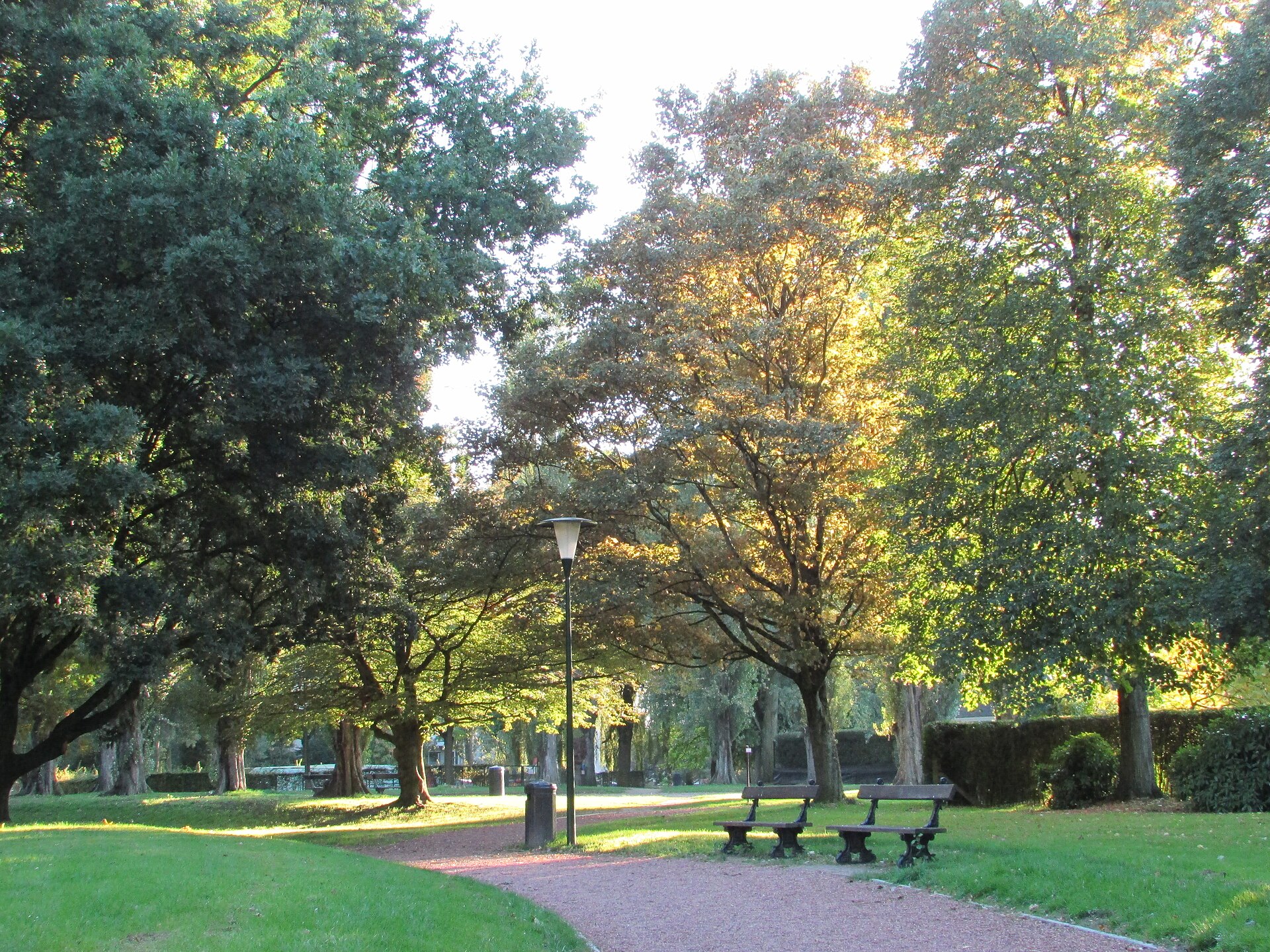
In 1986, the town of Enghien purchased the entire former family estate and opened it to the public. Since then, Parc d'Enghien has functioned as a public green space that combines the role of a historic monument with that of a recreational area for local residents and visitors alike. Its extensive avenues, historic garden compositions, and surviving architectural and sculptural elements allow visitors to trace more than three and a half centuries of the estate's evolution — from its Baroque origins, through the modernisation under the Empain family, to its current public function.
Frequently asked questions
How large is Parc d'Enghien? The park covers approximately 182 hectares, making it one of the larger historic park estates in Belgium.
Who built the château in the park? The Louis XV-style château was built in 1913 for François Empain, designed by architect Alexandre Marcel.
Is the park open to visitors today? Yes — since 1986, when it became the property of the town of Enghien, the park has been an accessible public space.
Why are there Egyptian sphinxes in the park? The sphinxes reference the Empain family's involvement in building the city of Heliopolis in Egypt in the early 20th century.
Nearby places

Earn badges for the places you visit
Download NextOnTrip, discover new places and check off your trails.