About this place
Žehuňsko – Báň is a small but ecologically remarkable nature reserve near the village of Hradčany in the Nymburk district of the eastern Czech Republic. Covering only 10.58 hectares, it is regarded as the largest preserved "white slope" in the central Elbe lowlands (Polabí) — a hillside where the underlying rock is exposed rather than covered by soil.
Why was this site protected?
The area was first declared a protected natural monument on 29 December 1972, established to safeguard xerothermic plant communities growing on marlstone (opuka) bedrock. In 2016 the reserve was enlarged and renamed Žehuňsko – Báň, tying the older "Báň" site into the broader Žehuňsko landscape known for its neighboring fishpond complex and other protected areas.
What makes the exposed rock here so unusual?
The defining feature of the reserve is its bare limestone marl bedrock, part of the Bohemian Cretaceous Basin. Erosion and geological processes have exposed rock layers here to a degree rarely seen elsewhere in the Elbe lowlands, creating the pale, sun-bleached slopes that give the site its name. This exposed rock also shapes the reserve's dry, sun-exposed microclimate, ideal for plants adapted to harsh, nutrient-poor conditions.
What plant life grows on the reserve's slopes?
Botanical surveys have recorded nearly 200 species of vascular plants within the reserve — an impressive count for such a small area. The most valuable element of the flora is a substantial population of the lady orchid (Orchis purpurea), a species that depends on precisely the kind of warm, calcareous grassland found here. The strength of this population makes Žehuňsko – Báň one of the more important sites for the species in the region.
The vegetation cover is typical of xerothermic chalk grasslands found across the Polabí lowlands — heat-tolerant, drought-resistant plant communities adapted to shallow soils over limestone bedrock, characteristic of the Bohemian Cretaceous Table.
Where exactly is the reserve located, and how high does it sit?
The site lies between 240 and 270 meters above sea level, directly adjoining the village of Hradčany. Its approximate coordinates are 50.158° N, 15.282° E. This modest elevation range makes the slope comparatively steep for the otherwise flat Elbe lowlands, a factor that helps keep the bedrock exposed and preserves the dry, xerothermic conditions the site's flora depends on.
Why is it worth a visit?
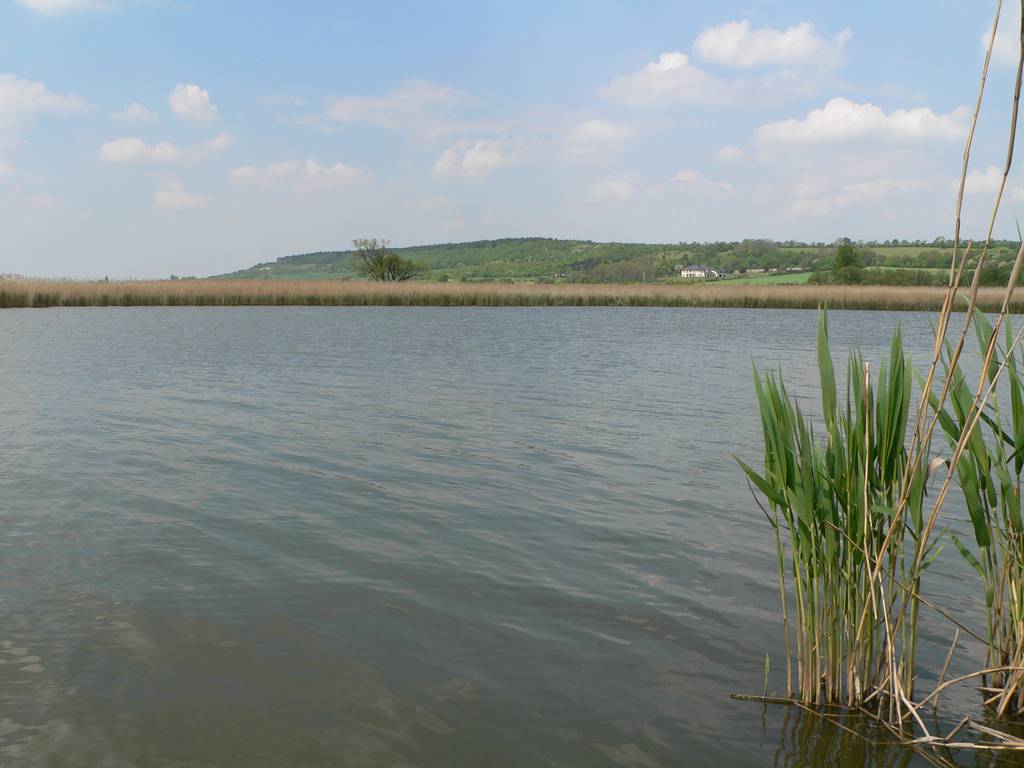
Žehuňsko – Báň appeals more to visitors interested in geology and botany than to those seeking conventional scenic tourism — the reserve has little in the way of visitor infrastructure, but it offers a rare combination of exposed Cretaceous rock and specialized xerothermic flora in the middle of the agricultural Polabí landscape. It also makes a worthwhile stop for anyone exploring the nearby Žehuň fishpond complex and the wider network of protected areas in the region.
Frequently asked questions
How large is the Žehuňsko – Báň reserve? The protected area covers 10.58 hectares.
When was it protected? It was originally protected on 29 December 1972 and was enlarged and renamed in 2016.
What is the reserve's main natural attraction? Its exposed white rock slope and a rich population of the lady orchid among nearly 200 recorded vascular plant species.
At what elevation does the reserve lie? Between 240 and 270 meters above sea level.
Nearby places

Earn badges for the places you visit
Download NextOnTrip, discover new places and check off your trails.