About this place
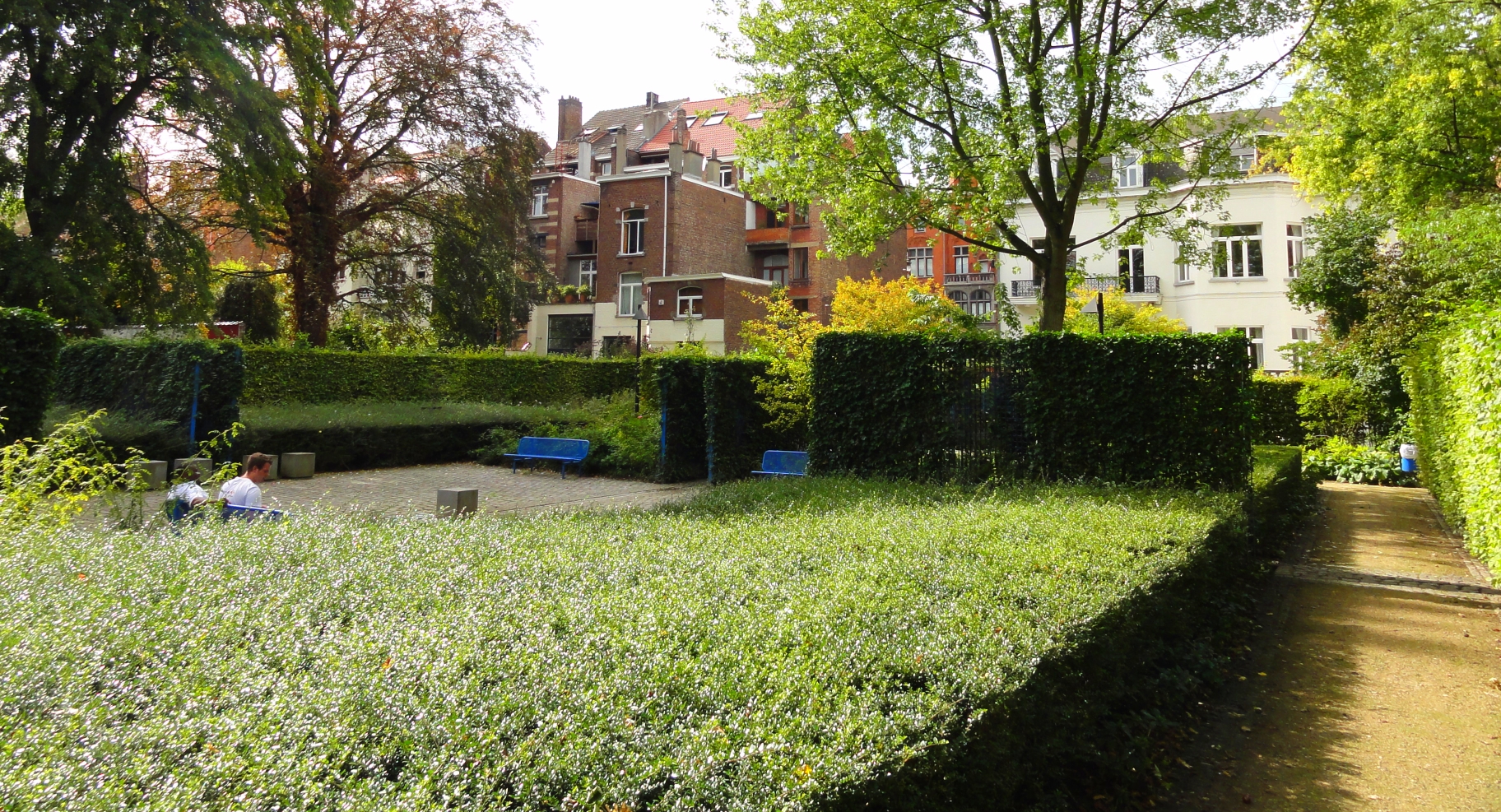
Zeecrabbe Park is a small yet remarkably picturesque landscape park in the municipality of Uccle (Ukkel), in the southern part of Brussels, laid out on the grounds of a former estate whose roots go back to the 16th century. It covers roughly 2.5 hectares and sits in the valley of the Ukkelbeek stream, whose natural relief shaped the design of the entire park.
Where does the park's name come from?
The name derives from the former Hof te Zeecrabbe estate, first mentioned in 1533. The property originally belonged to the Iturieta family before passing into the hands of the barons Thysebaert. The park inherited its historical name from this estate and its associated farmstead, even though the old farm buildings themselves have long since vanished from the landscape.
How was the park designed in the 19th century?
In the 19th century the grounds were transformed into a park laid out "in the English manner" — a landscape style that spread across Europe as a reaction against the rigid, geometric layouts of French formal gardens. The designers treated the space as a sequence of scenographies: vegetation was arranged in alternating wooded masses and open clearings, punctuated by small garden structures known as "fabriques," decorative architectural features typical of English-style gardens. The result is a park that never reveals itself all at once, but unfolds gradually to visitors following its winding paths.
What is the park's main attraction?
At the heart of the park lies a pond shaped like a double ellipse, fed by springs and groundwater seepage characteristic of the Ukkelbeek valley. On an island in the middle of the pond, artificial ruins were built — a classic feature of romantic English gardens, meant to lend the landscape an air of mystery and historical depth, even though these "ruins" were never part of a real building.
Winding paths, artificial ruins, and the alternation of neatly kept lawns, shrub plantings and mature, striking trees all reinforce the park's picturesque, almost painterly character. To this day, Zeecrabbe has preserved a layout typical of English landscape gardens, making it a valuable example of the style within Brussels.
Who is this park for?
Zeecrabbe is an ideal spot for a quiet walk away from the bustle of the city — its modest size means it can be explored in under an hour, while its varied terrain and water features make it appealing both to nature lovers and to anyone interested in garden history. It's a fitting addition to a visit to Uccle's other green spaces, especially for travelers seeking an intimate, scenic place off the main tourist routes of Brussels.
Frequently asked questions
How big is Zeecrabbe Park? The park covers approximately 2.5 hectares.
Where does the park's name come from? From the former Hof te Zeecrabbe estate, first documented in 1533, which belonged successively to the Iturieta family and the barons Thysebaert.
What is on the island in the middle of the pond? Artificial ruins, a typical feature of romantic 19th-century English gardens.
In what style was the park designed? In the English landscape style, with winding paths, alternating open and wooded areas, and ornamental "fabriques."
Where exactly is the park located? In the municipality of Uccle (Ukkel) in southern Brussels, in the valley of the Ukkelbeek stream.
Nearby places

Earn badges for the places you visit
Download NextOnTrip, discover new places and check off your trails.