About this place
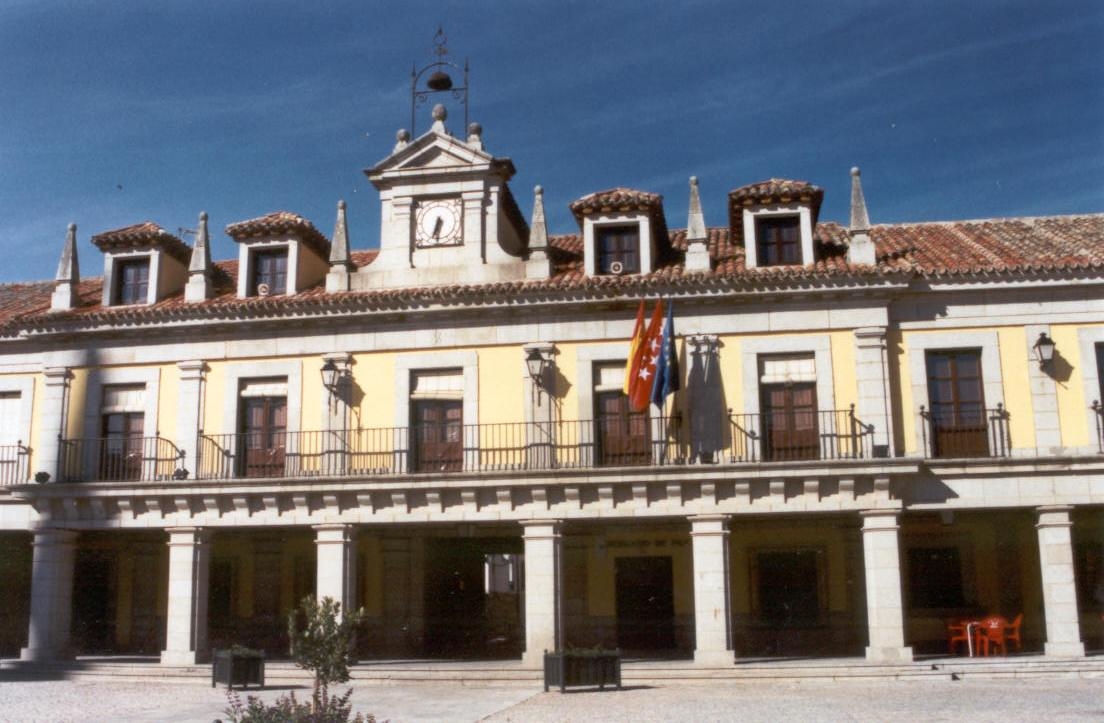
Villamanta Town Hall sits on Plaza de España in the heart of Villamanta, a small municipality in the Community of Madrid, roughly 45 km southwest of the Spanish capital.
What's the story behind the building?
The current town hall was built in 1853 and has served as the seat of local government ever since. Records from 1921 already describe the building as elegant and distinctive compared to the rest of the town — a sign that locals regarded it as a landmark even a century ago. Villamanta itself has a far longer history than its town hall: the settlement dates back to Roman times, when it was known as Mantua Carpetanorum, one of five main administrative centers the Romans established in what is now the Madrid region. The town gained formal "villa" status — a legal category granting greater self-government — in 1629, under a charter from King Philip IV, laying the groundwork for the local administration that the town hall still represents today.
How do you get there?
The town hall stands on Villamanta's main square, Plaza de España, making it easy to find no matter which road brings you into town. Driving is the most practical option — the trip from Madrid usually takes under an hour, depending on the route through the Sierra Oeste region. Regional buses also serve the towns in this part of Madrid, though schedules can be infrequent, so it's worth checking timetables in advance. Once in the town center, the square is within a short walk of the main streets.
What will you see there?
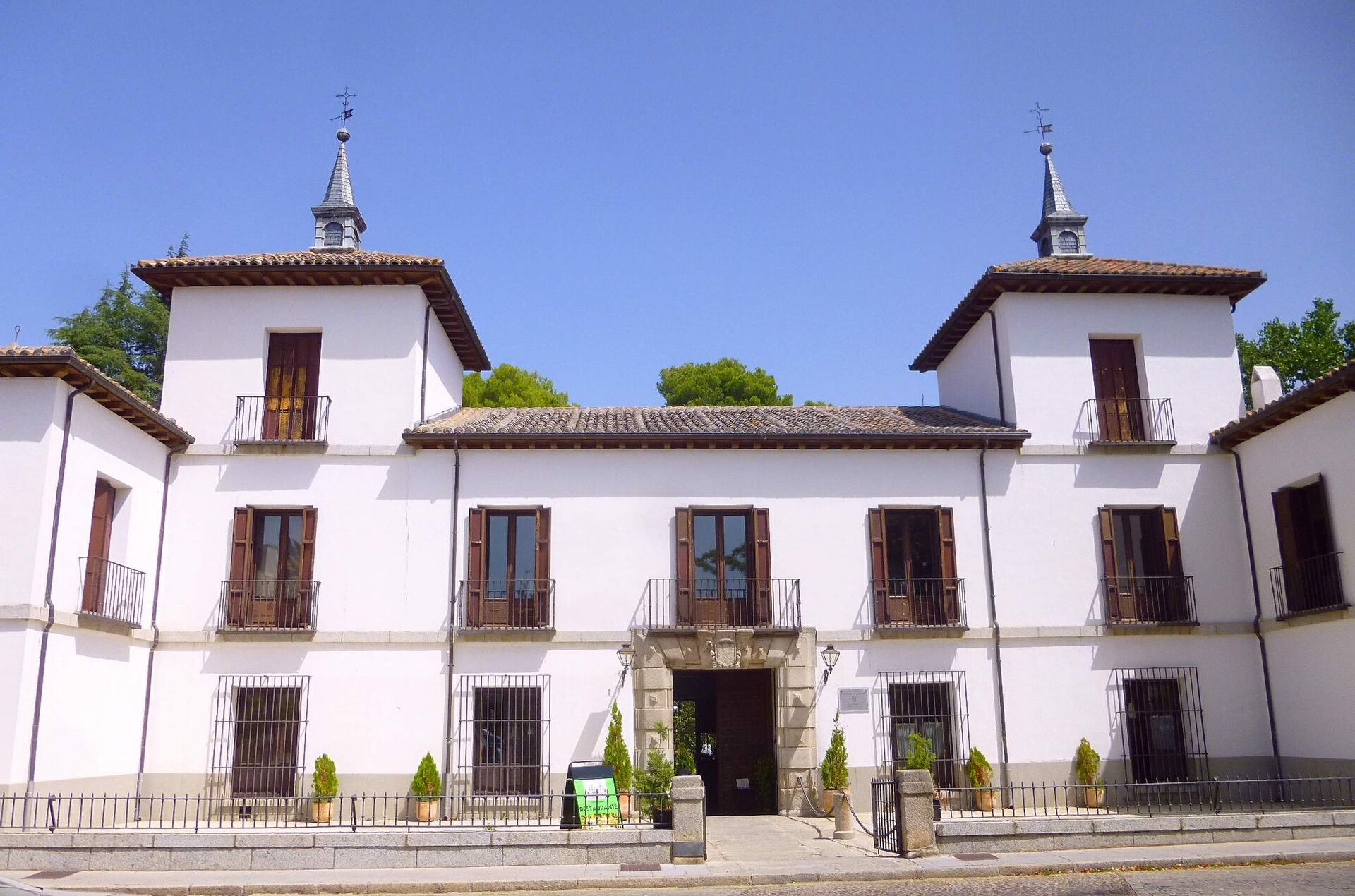
The building follows the typical form of 19th-century Spanish civic architecture: a simple, symmetrical façade that keeps a dignified presence despite its modest scale. The square in front of it functions as the social heart of Villamanta, hosting local events, while the building itself continues to serve as the seat of municipal government to this day. It isn't a monumental structure, but its interest lies in the continuity of its administrative role and in how it anchors the town's history — from Roman-era Mantua Carpetanorum, through the 1629 grant of villa status, to the present.
When is the best time to visit?
Like most towns in the Sierra Oeste area, Villamanta is most pleasant to explore in spring and autumn, when temperatures are mild and walking around the square and nearby streets isn't hampered by the summer heat typical of central Spain. Summers can get hot, so it's worth planning a midday visit accordingly. Since the town hall is an active government building rather than a museum, its interior isn't generally open to visitors — the appeal lies in the architecture itself and the square surrounding it.
Frequently asked questions
Can visitors go inside Villamanta's town hall? The building functions as an active municipal office, so public access is limited to the exterior and the square. The interior serves staff working there and isn't set up for visitors.
When was the current building constructed? The building dates from 1853 and has continuously housed the local government since then.
How is Villamanta connected to Roman history? The site of present-day Villamanta was settled in Roman times under the name Mantua Carpetanorum, one of five major administrative centers the Romans established in the Madrid region.
What did the 1629 "villa" status change for the town? The charter granted by King Philip IV gave the settlement greater administrative and legal autonomy, effectively founding the local self-government that today's town hall represents.
Nearby places

Earn badges for the places you visit
Download NextOnTrip, discover new places and check off your trails.