About this place
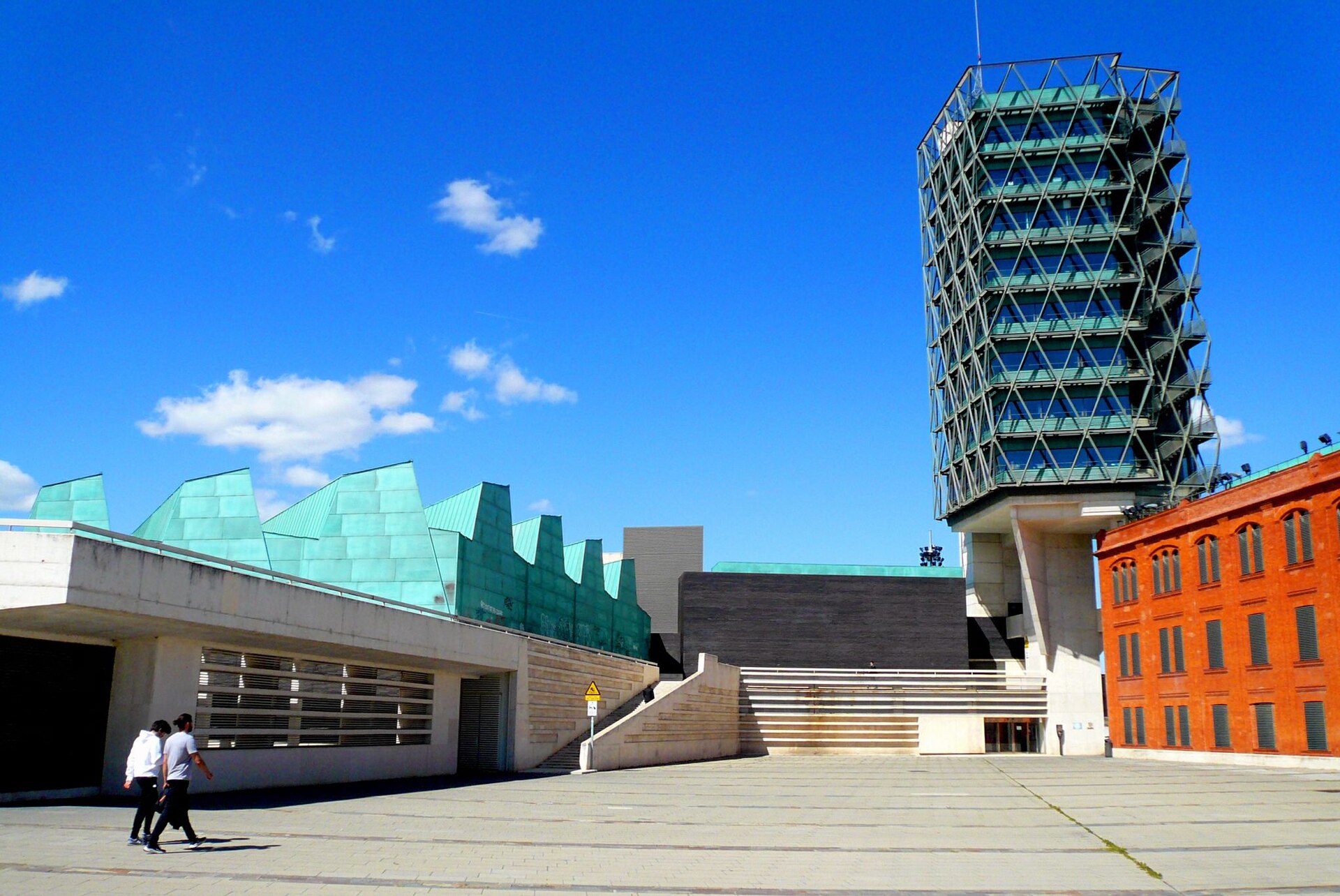
Valladolid Science Museum stands as one of the city's most distinctive landmarks — a museum housed inside a former flour mill on the banks of the Pisuerga River. Opened in May 2003, it doubles as both a hands-on science institution and a striking example of industrial heritage turned into contemporary cultural space.
How do you get to the museum?
The building sits right along the Pisuerga riverbank, in an easily reachable part of Valladolid, making it a convenient stop whether you're exploring the city center on foot or getting around by public transport. The riverside location means a walk along the promenade fits naturally before or after a visit, with views extending toward other landmarks that also line the water. Valladolid's central position within the Castile and León region, well connected by train and road to Madrid and other major cities in northern Spain, makes reaching the city itself straightforward for visitors coming from further afield.
What will you find inside?
The building's architecture is as much a part of the experience as the exhibits themselves. Architects Rafael Moneo and Enrique de Teresa led the transformation of the old industrial complex into a museum, choosing to retain much of the original mill structure while weaving in contemporary elements. The result is a building that functions as an exhibit in its own right — physical evidence of the city's industrial past repurposed into a space dedicated to public science education. Inside, visitors find exhibitions covering natural sciences and technology, presented in a format accessible to a wide range of ages, which is why the museum is a popular destination for school trips and family weekends alike.
Why does the building's history matter?
Before its conversion, the structure operated as a flour mill — a typical feature of 19th- and 20th-century industrial infrastructure in cities built along navigable rivers. Turning this kind of building into a cultural venue reflects a broader trend across Spain, where former factories, warehouses, and mills have been given new life as museums, cultural centers, and galleries. That dual identity makes Valladolid Science Museum worth a visit not only for science enthusiasts but also for anyone interested in architecture and the region's industrial history.
When is the best time to visit?
Because it's a fully indoor attraction, the museum can be visited year-round regardless of weather, making it a solid option both in the cooler months and during the hot summers typical of the Iberian interior, when air-conditioned galleries offer a welcome break from the heat. Pairing a visit with a walk along Valladolid's riverside boulevards works especially well in spring and autumn, when conditions are ideal for longer strolls through the city.
Frequently asked questions
When did Valladolid Science Museum open? The museum opened in May 2003.
What kind of building houses the museum? A former flour mill on the banks of the Pisuerga River, converted from an industrial complex into a modern exhibition space.
Who designed the building's transformation? Architects Rafael Moneo and Enrique de Teresa led the conversion of the old industrial complex, preserving much of its original structure.
Is the museum a good visit for families with children? Yes — the science exhibits are presented in an accessible, hands-on format, making the museum a popular choice for families and school groups.
Nearby places

Earn badges for the places you visit
Download NextOnTrip, discover new places and check off your trails.