About this place
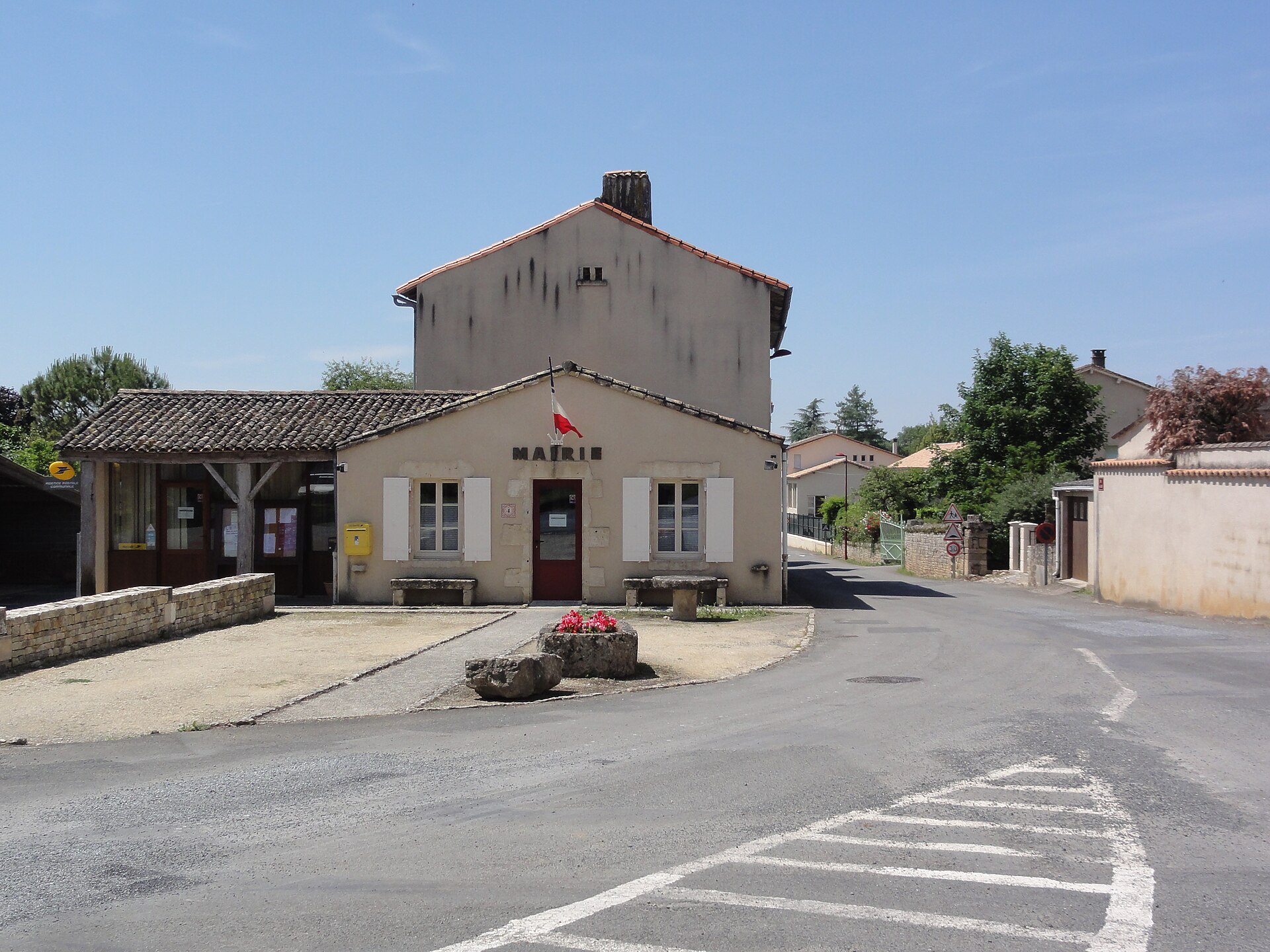
The town hall of Melle sits at the heart of a small town in the Deux-Sèvres department, in the Nouvelle-Aquitaine region of western France. Melle is a place where medieval monetary history, Romanesque architecture, and the pilgrimage road to Santiago de Compostela converge — an unusual combination for a town of its size, and one that rewards travelers willing to look past the well-trodden Loire and Dordogne routes.
Why was Melle significant in the Middle Ages?
Silver deposits lie beneath the town and its surroundings, mined from the 7th to the 10th century under Frankish rulers, from Dagobert to Charlemagne. That silver fed a royal mint, turning Melle into one of the key coin-producing centers of early medieval France. The old workings, known today as the Mines d'Argent des Rois Francs (Silver Mines of the Frankish Kings), are considered the oldest silver mines in the world open to visitors. A guided underground route follows galleries hand-dug more than a thousand years ago — a genuinely rare experience on a European scale.
What else is there to see beyond the town hall?
The town's signature sight is its so-called Romanesque triad — three churches dating from the 11th and 12th centuries, all listed as French historical monuments. The largest, the Church of Saint-Hilaire, is inscribed on the UNESCO World Heritage List as part of the French sections of the Way of St. James pilgrimage route to Santiago de Compostela. The other two, Saint-Pierre and Saint-Savinien, round out a townscape where Romanesque stonework has survived almost intact since the region's pilgrimage-era heyday.
The town hall itself, younger than the churches, sits within this historic core — walking between it and the three churches gives a real sense of the scale of a trading town that once lived off mining and coin production.
How should you plan a visit to Melle?
The town center is best explored on foot; the distances between the town hall, the churches, and the mine entrance are all short. Set aside half a day: an hour or two for the underground mine tour, which runs at a constant temperature regardless of the season, and another hour for the three Romanesque churches. Because the town lies directly on a pilgrimage route, summer visitors will often cross paths with walkers heading toward Compostela — a good excuse to ask about their experience of the Poitou stretch.
For anyone interested in numismatics or the history of medieval coinage, Melle is close to essential viewing: few French towns of its size offer such a direct window into where the silver for Carolingian coins actually came from.
Frequently Asked Questions
Can children visit the silver mines in Melle? Yes, the underground tour is designed for family visits, though it's worth checking current opening hours and any minimum-age requirements before you go.
Which church in Melle is the most important? The Church of Saint-Hilaire draws the most attention because of its UNESCO World Heritage listing as part of the Way of St. James, though all three Romanesque churches carry historical monument status.
How much time do you need to see central Melle? Half a day is enough to cover the town hall, the three churches, and the underground mine route without rushing.
Is Melle on the Camino de Santiago? Yes, the town lies on one of the French branches of the Camino, which explains why such a small town has so many well-preserved Romanesque churches.
Nearby places

Earn badges for the places you visit
Download NextOnTrip, discover new places and check off your trails.