About this place
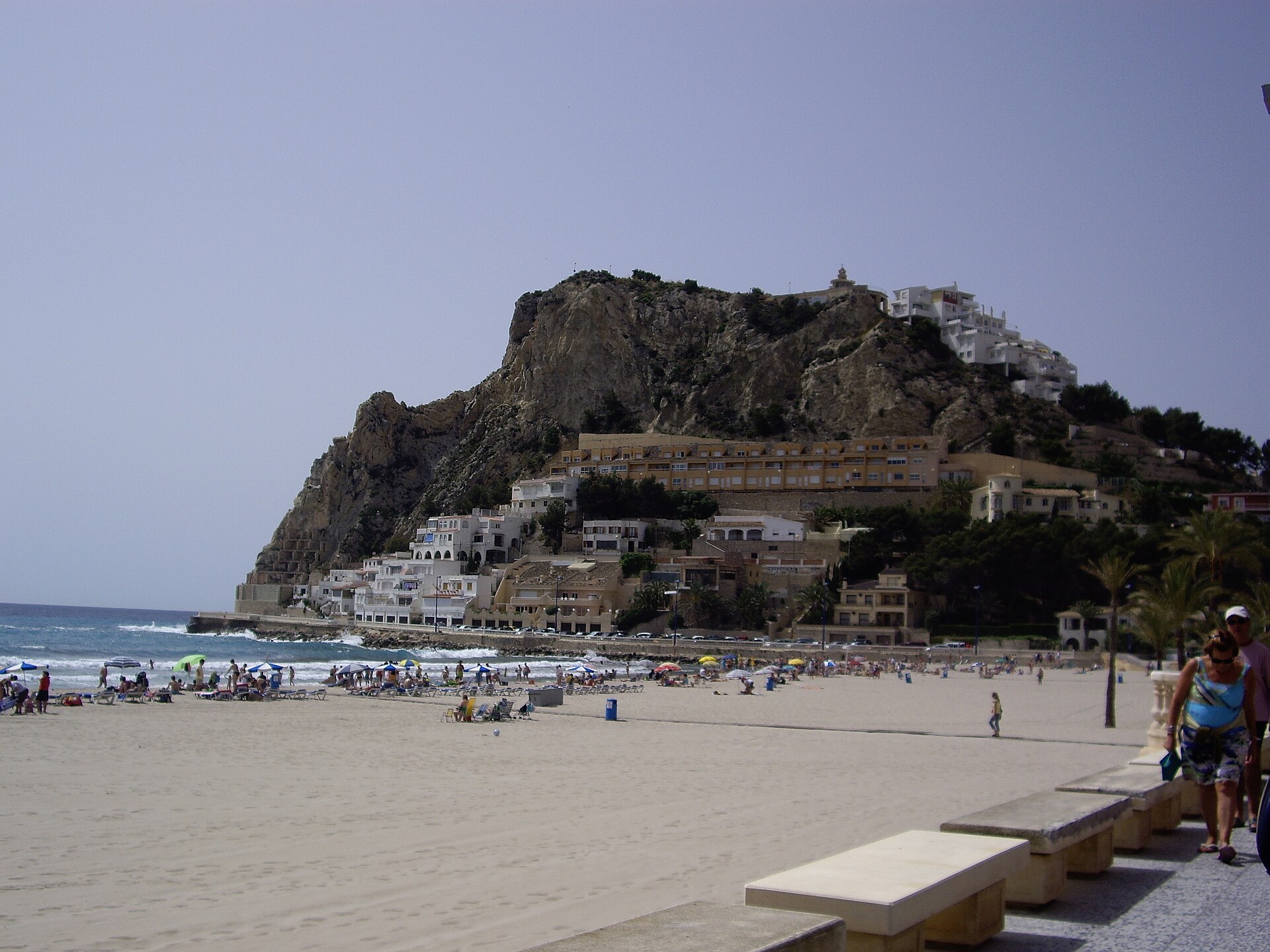
Torre de la Malladeta stands on a hilltop above the sea in la Vila Joiosa, in the province of Alicante, and brings together two very different stories: an ancient Iberian sanctuary and a 19th-century lookout tower. The site offers one of the finest views over the bay and old town, while also being an archaeological location of real importance for understanding Iberian culture on the Costa Blanca coast.
What is actually on the hill?
At the top stands a stone tower built in the late 19th century. It was constructed by José María Esquerdo, a prominent psychiatrist and politician who led the Republican Party, and who used it as a place of study and observation. From the tower he also kept watch over the wards of the psychiatric sanatorium he ran nearby on Paradís beach. The structure is therefore not a medieval watchtower, as the Spanish word "torre" might suggest, but a much younger building raised on a far older site.
Beneath the tower and along the hillside, the remains of a much earlier structure survive: an Iberian sanctuary. It was a cult center dedicated to a mother goddess, identified by the Carthaginians with Tanit. Excavations uncovered traces of temple chambers, including several rooms with terraces facing the sea that functioned almost like viewing balconies over the bay. The sanctuary was in use for centuries: its role as a place of worship ended around 25 BC, while the hill itself continued to be used until roughly 80 AD, when it was finally abandoned during the Roman imperial period.
Why did this hill matter to the ancient inhabitants?
The Malladeta hill sat right next to the Iberian settlement that Greek writers called Alonís, the predecessor of today's la Vila Joiosa. The sanctuary on the hill served as a spiritual focal point for that settlement, and its position on a clifftop overlooking the sea was no accident: sites dedicated to a mother goddess of this kind were often placed at the meeting point of land and sea, a location significant for a community built around fishing and trade.
How do you get to Torre de la Malladeta?
The hill sits on the la Vila Joiosa coastline, within easy reach of the town center and Paradís beach, from where a coastal walking path runs along the cliffs. Reaching the summit means going on foot, along a path with a modest but noticeable climb. The surrounding area is among the most scenic stretches of coast in this part of the Costa Blanca, with views over the bay and the colorful facades of the old town.
What should visitors know before going?
In 2022 the la Vila Joiosa municipal council carried out a restoration of the tower, recovering its original exterior and interior appearance based on surviving historical documentation. As a result, the building has kept its 19th-century character, though it remains primarily a viewpoint and archaeological site rather than a museum with regular opening hours. Visitors should expect limited tourist infrastructure: this is a spot for those looking for quiet, history, and views rather than a fully developed visitor experience.
Frequently Asked Questions
Is Torre de la Malladeta a defensive castle? No. The tower visible today was built in the late 19th century on the initiative of José María Esquerdo and never had a military role — it served as a place for study and observation.
What lies beneath the tower? The remains of an Iberian sanctuary dedicated to a mother goddess, used from pre-Roman times until the 1st century AD.
Can you go inside the tower? The tower was restored in 2022, but it functions mainly as a viewpoint and archaeological site rather than a museum with regular visiting hours.
How far is it from central la Vila Joiosa? The hill is a short distance from Paradís beach and the old town, reached via a coastal walking path along the cliffs.
Nearby places

Earn badges for the places you visit
Download NextOnTrip, discover new places and check off your trails.