About this place
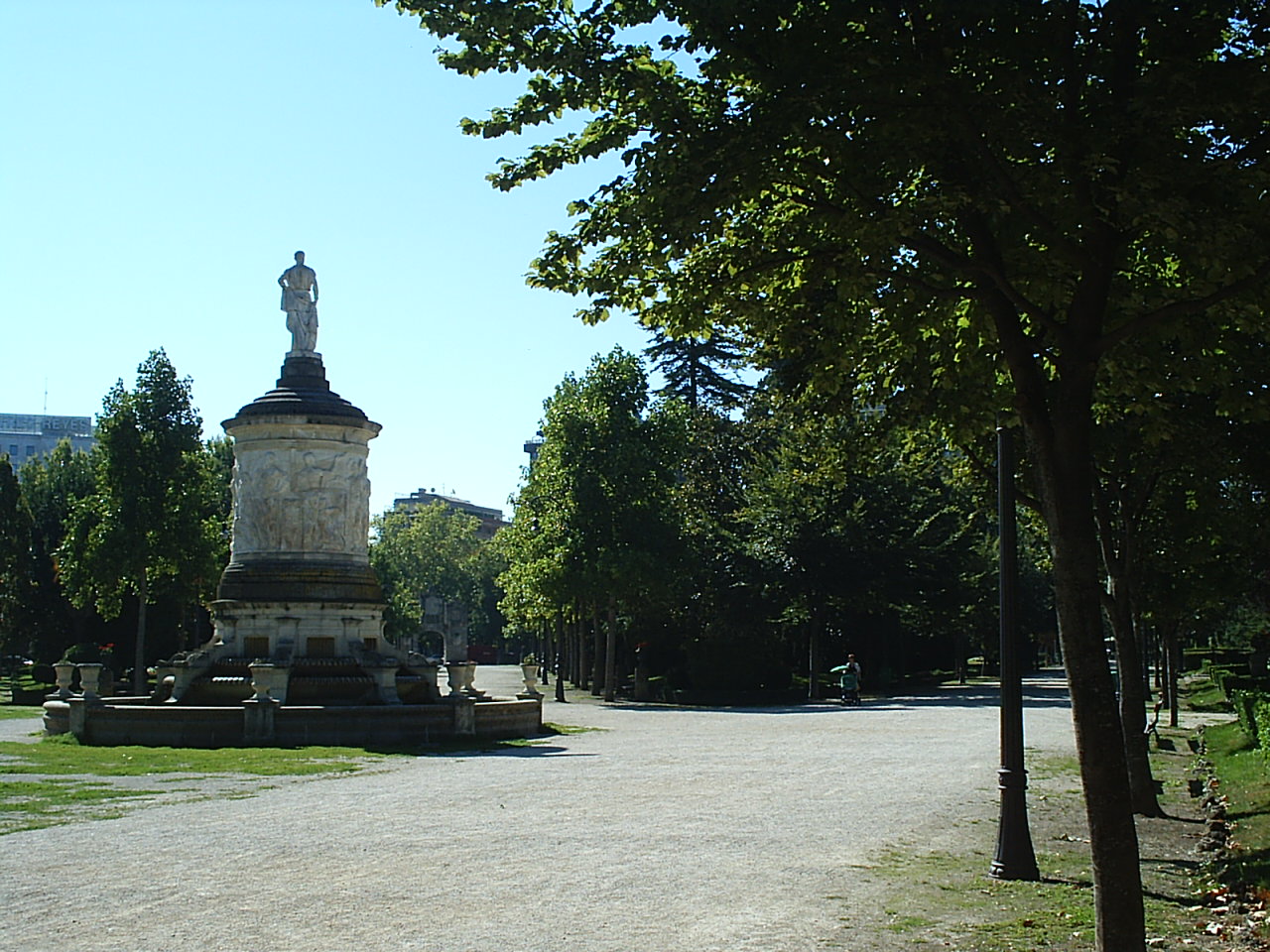
Taconera is Pamplona's oldest municipal park, laid out over the old defensive moats and bastions that once protected the capital of Navarre. Covering roughly 90,000 square meters, it is actually made up of three connected sections — Parque de Larraina, the Jardines de la Taconera proper, and Parque Antoniutti — forming a green belt between the old town and the San Juan district.
How to get there?
The park sits right on the edge of Pamplona's Casco Viejo, so it's an easy 10-15 minute walk from the city centre. Its most recognizable entrance is the Portal de San Nicolás, a Baroque triumphal arch that once served as one of the gates into the walled city and now marks the main approach from the old town. Because the park borders the Citadel of Pamplona, both sites pair naturally into a single walking route.
What will you see?
The land first appears on city plans as early as 1719, and it became part of Pamplona's fortified centre after the Citadel was built. The gardens as they look today date from 1830, when the old defensive moats were reworked into public grounds — a transformation that gives the park its distinctive layout of sunken walkways running below street level, right along the old city walls.
The park's signature feature is the network of moats between the ramparts, home to a small open-air urban "zoo" that has existed here for generations. Fallow deer graze in the walled hollows, visible from paths that trace the old fortifications, while peacocks fan their tails near the Paseo de los Castaños, the park's chestnut-tree promenade. Ponds and small lagoons hold mallards, swans, and other waterfowl — in total the park is home to more than 280 animals, including several dozen deer, close to 150 waterfowl of various species, over a hundred other birds, and a handful of squirrels.
Beyond the moats, Taconera keeps the character of a classic 19th-century romantic garden: winding gravel paths, flowerbeds, fountains, and mature trees, anchored by the long chestnut avenue. It's a favourite spot for locals out for a walk or a quiet break, and at the same time a living piece of Pamplona's military history — the same walls and bastions that once defended the city now enclose one of its calmest corners.
When to visit?
The park is free to enter and open year-round, and each season brings something different — flowerbeds and greenery peak in spring and summer, while the chestnut avenue and deciduous trees turn gold and red in autumn. Early morning or late afternoon are the best times to spot the deer and birds in the moats, when foot traffic is lighter and the animals are more active. Taconera also makes a good escape from the crowds during the San Fermín festival in July, when the city centre is packed but the park stays comparatively calm.
Frequently asked questions
Is there an entrance fee? No, Taconera is a free public park, open to everyone year-round.
What animals can I see in the moats? The walled moats are home to fallow deer and peacocks, while the ponds host mallards, swans, and other waterfowl — over 280 animals in total.
How much time should I plan for a visit? A relaxed walk through the whole park, including a stop at the moats and the Portal de San Nicolás, usually takes 45 to 60 minutes.
Is it a good place to bring children? Yes — the animals, wide paths, and nearby playgrounds make it one of the most popular spots in Pamplona for families with kids.
Nearby places

Earn badges for the places you visit
Download NextOnTrip, discover new places and check off your trails.