Save this place and discover nearby attractions with NextOnTrip
In the app you can add it to your favorites, see what else is worth visiting nearby on the map, and earn a badge for your visit.
The app is available for iPhone and Android.
About this place
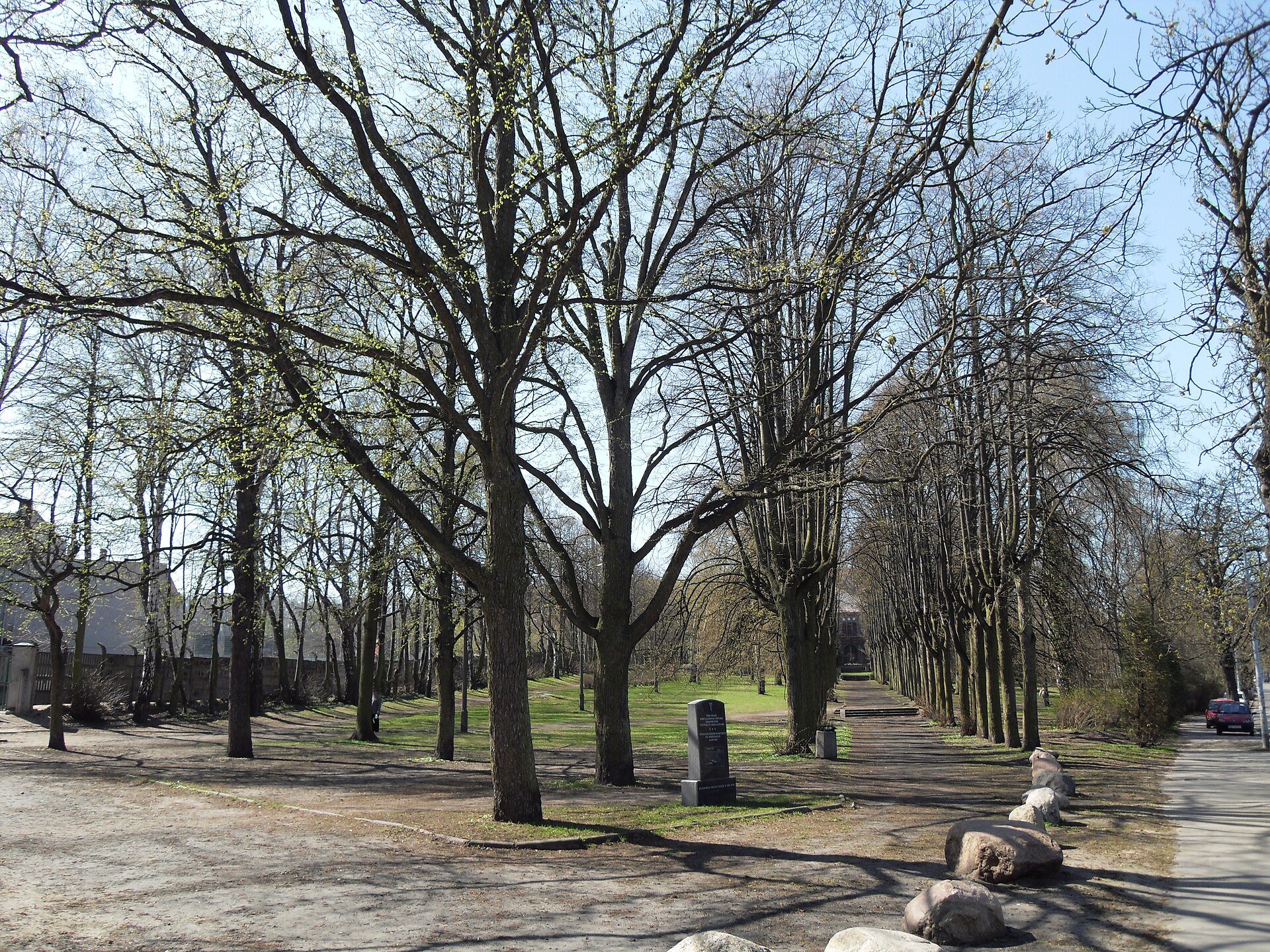
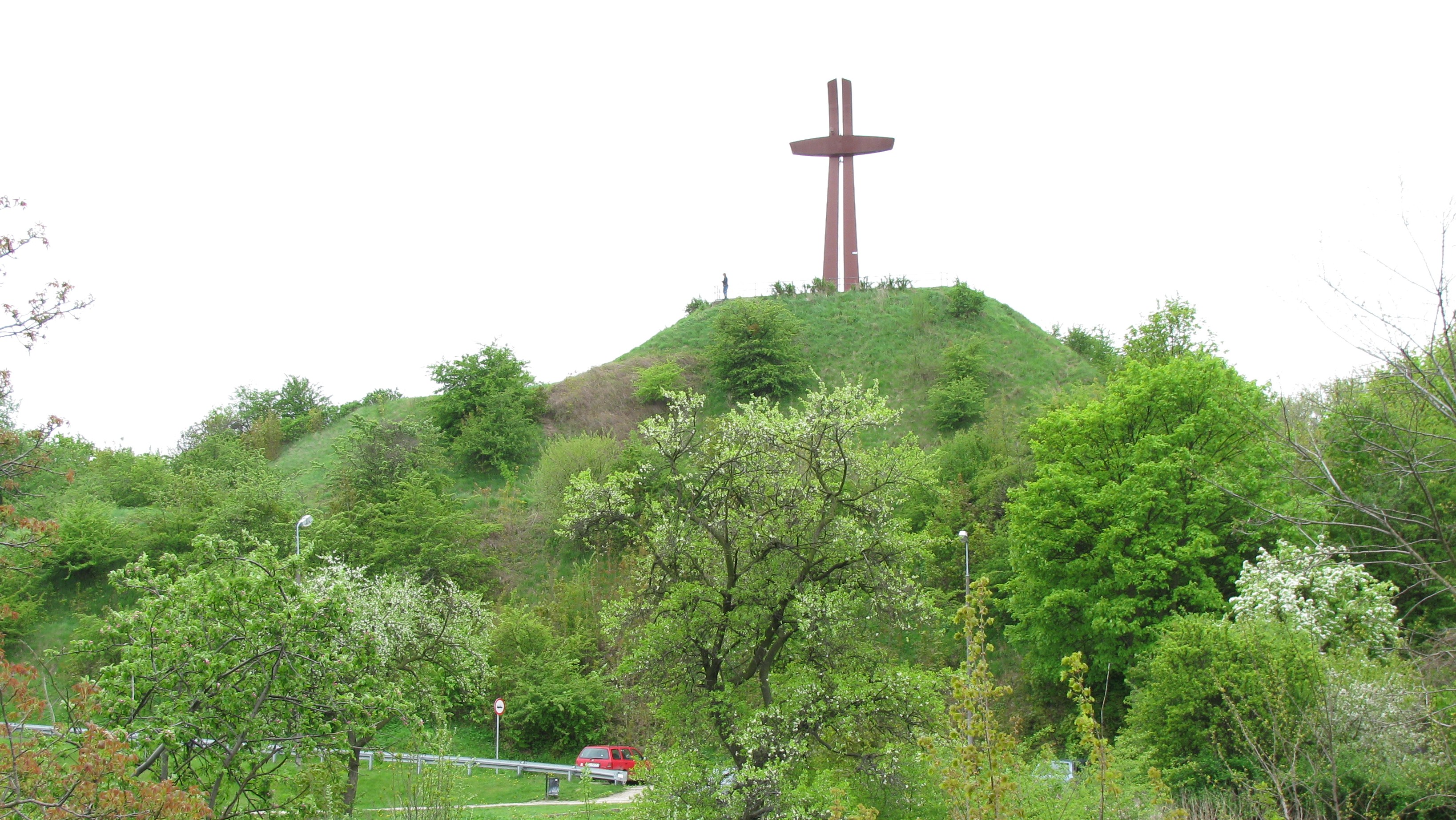
Szubieniczna Góra, or Gallows Hill, is a hill in the Wrzeszcz district of Gdańsk, just behind the Gdańsk University of Technology. Today it is a green park with a viewing platform, yet its name recalls a grim past: for nearly three centuries this was a place of public executions.
Why is it called Gallows Hill?
A gallows stood on the summit and was used for executing common criminals from 1529 until 1804. The last execution on the hill took place in 1838, this time without the gallows, carried out with an axe. The hill rises about 55 m, so the gallows could be seen from far around, which mattered in an era when public punishment was meant to serve as a warning.
What stood here in the 20th century?
At the foot of the hill, a non-denominational cemetery was established in 1914 and remained in use until 1966. Beside it operated the municipal crematorium, the first in Poland. Cremation was permitted in Gdańsk in 1911, and in 1912 the city authorities decided to build their own facility. The complex was designed by Richard Dähne, with a form echoing Gothic architecture. The crematorium operated until 1945. The former building on Traugutta Street now houses an Orthodox church.
On the northern slope of the neighboring hills there is also a former Jewish cemetery, founded in the mid-18th century. It is open to the public as a park, though it is not protected as a heritage site.
What can you see here?
The park is named after Romuald Traugutt, the leader of the January Uprising. The viewing platform offers a panorama over Wrzeszcz. A walk here can feel slightly eerie: old gravestones still lie among the trees, remnants of the former cemeteries. It is a place better suited to quiet reflection than loud recreation.
Hidden in the hillside is an underground water reservoir, Stary Sobieski, which entered service in 1911 and was taken out of use in the 1990s. Its interior has been opened to visitors, and entry requires prior registration. The city also planned new viewing points by the old water reservoirs in Wrzeszcz.
Frequently asked questions
Is Gallows Hill a park? Yes. The hill is landscaped as Romuald Traugutt Park, with a viewing platform over Wrzeszcz.
When were executions held on the hill? The gallows stood here from 1529 to 1804, and the final execution took place in 1838.
Can you visit the Stary Sobieski reservoir? Yes, its interior is open to visitors, but you need to register in advance.
Where is it? In Wrzeszcz, behind the buildings of the Gdańsk University of Technology, near Traugutta Street.
Is it a good place for a walk with a view? Yes, if you enjoy quiet, historic places. Bear in mind that remnants of old gravestones are visible in the park.
Nearby places

Earn badges for the places you visit
Download NextOnTrip, discover new places and check off your trails.